The Evolution of Precision: 6kW Fiber laser cutting in Mexico City’s Industrial Sector
The industrial landscape of Mexico City (CDMX) and its surrounding metropolitan areas, such as Tlalnepantla and Naucalpan, has undergone a significant technological transformation over the last decade. As “nearshoring” becomes the cornerstone of North American manufacturing, the demand for high-precision components has surged. Central to this evolution is the adoption of the 6kW fiber laser cutting system, a powerhouse of efficiency specifically tailored for the rigors of stainless steel fabrication. For engineers and plant managers in Central Mexico, understanding the technical nuances of 6kW technology is essential for maintaining a competitive edge in a globalized market.
The 6kW fiber laser represents the “sweet spot” in modern metal fabrication. It offers a perfect balance between capital investment and high-speed throughput. While lower wattage systems may struggle with thicker gauges, and higher wattage systems (12kW+) require significantly more infrastructure and power, the 6kW variant provides the versatility needed to handle the vast majority of stainless steel requirements found in the food processing, pharmaceutical, and automotive industries—all of which have a massive footprint in the Valley of Mexico.
Technical Specifications and the Physics of 6kW Fiber Lasers
At its core, a 6kW fiber laser generates a high-intensity beam through a series of laser diodes and optical fibers. Unlike traditional CO2 lasers, which rely on gas mixtures and mirrors, fiber laser cutting utilizes a solid-state medium. This results in a much smaller spot size and a wavelength (typically around 1.06 microns) that is more readily absorbed by metals, particularly reflective materials like stainless steel.
When processing stainless steel, the 6kW power level allows for a significant increase in cutting speed compared to 3kW or 4kW units. For instance, on 3mm stainless steel, a 6kW machine can achieve speeds that are nearly double that of a 3kW machine, drastically reducing the cycle time per part. This efficiency is not just about speed; it is about the quality of the kerf. The high power density ensures a narrow heat-affected zone (HAZ), which is critical for maintaining the corrosion resistance and structural integrity of the stainless steel alloy.
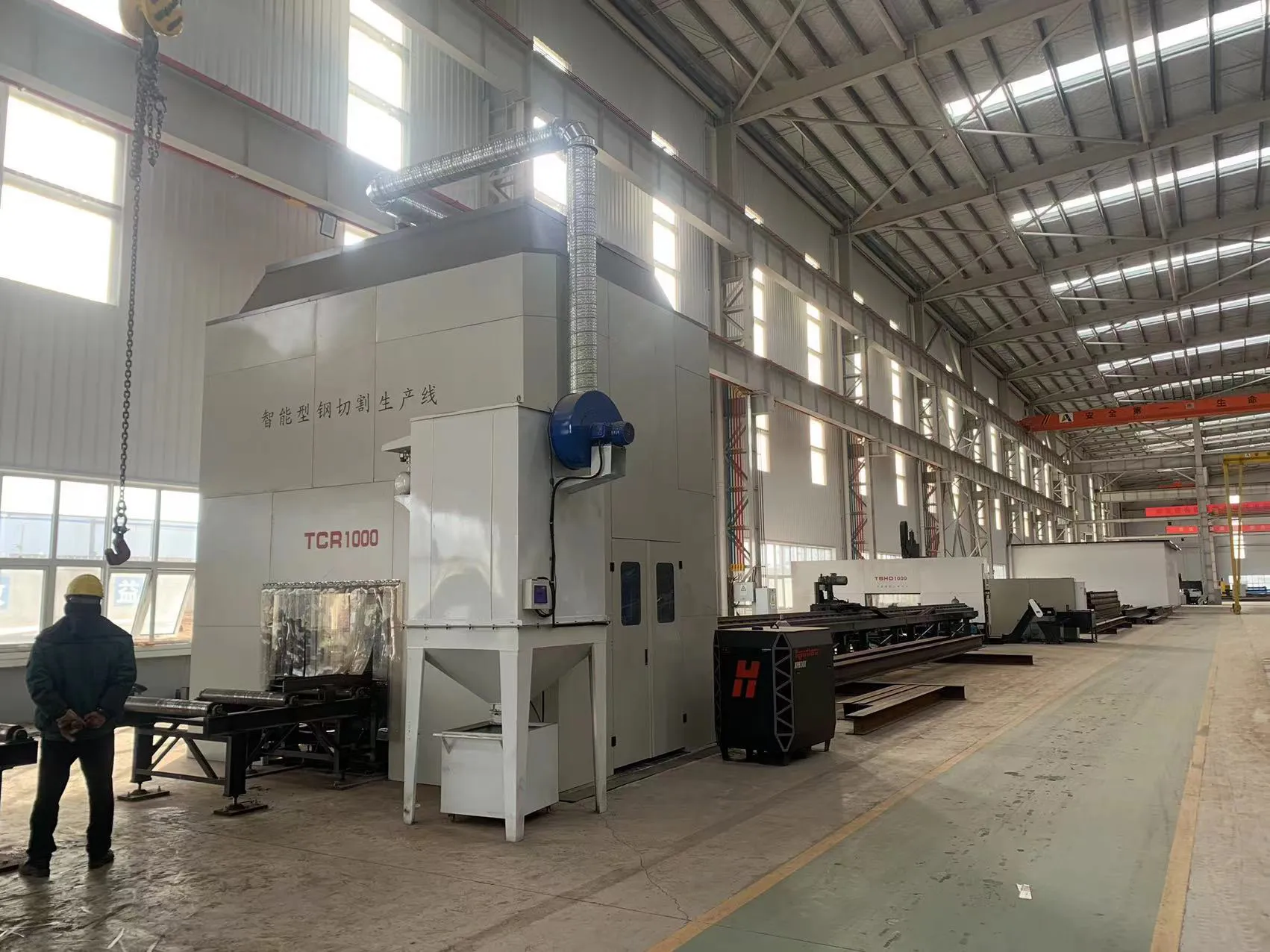 laser cutting machine for Sheet Metal”>
Stainless Steel Applications in the Mexican Market
In Mexico City, the demand for stainless steel laser cutting is driven by several key sectors. The food and beverage industry, led by giants with operations in the region, requires high-grade 304 and 316 stainless steel for tanks, conveyors, and processing equipment. These components must have smooth, burr-free edges to prevent bacterial growth and ensure easy cleaning. A 6kW laser provides the precision necessary to meet these sanitary standards without the need for extensive secondary finishing.
Furthermore, the pharmaceutical sector in the State of Mexico relies on laser cutting for the production of laboratory furniture and specialized packaging machinery. The ability of the 6kW laser to handle thicknesses up to 20mm or 25mm in stainless steel allows fabricators to produce heavy-duty structural components and intricate internal parts on the same machine. This versatility is a major asset for job shops in the Vallejo industrial zone, where client requirements can vary wildly from one day to the next.
The Impact of Mexico City’s Altitude on Laser Operations
Operating high-tech machinery in Mexico City presents unique engineering challenges, primarily due to the city’s altitude of approximately 2,240 meters (7,350 feet) above sea level. The thinner air at this elevation affects the cooling efficiency of the laser’s chiller system. Engineers must ensure that the cooling units are rated for high-altitude operation to prevent the laser source from overheating during long production runs.
Additionally, the density of assist gases—Nitrogen and Oxygen—is lower at high altitudes. For stainless steel, Nitrogen is the preferred assist gas because it performs a “cold cut,” blowing away the molten metal without causing oxidation. In Mexico City, the pressure settings on the laser cutting head may need to be adjusted to compensate for the atmospheric pressure difference, ensuring that the gas flow remains laminar and effective at clearing the kerf. Local technicians often calibrate these machines specifically for the CDMX environment to ensure that the 6kW power is utilized to its maximum potential.
Optimizing Assist Gas for Stainless Steel
For high-quality laser cutting of stainless steel, the choice and purity of the assist gas are paramount. Nitrogen (N2) is almost exclusively used for stainless steel to maintain a bright, silver edge. If Oxygen were used, the edge would oxidize, turning black and requiring grinding or pickling before the part could be welded or painted. This is particularly important for the high-end architectural projects found in areas like Polanco or Santa Fe, where stainless steel is used for aesthetic facades and interior design.
A 6kW system consumes a significant amount of Nitrogen, especially when cutting thicker plates. Many large-scale fabricators in Mexico have moved away from individual cylinders to bulk liquid Nitrogen tanks or even on-site Nitrogen generators. This infrastructure investment, while significant, is quickly offset by the reduced cost per part and the elimination of downtime associated with cylinder changes. In the competitive landscape of Mexico City’s manufacturing sector, these marginal gains in efficiency are what separate market leaders from their competitors.

Precision and Tolerance in 6kW Systems
The mechanical precision of a 6kW laser cutting machine is often measured in microns. For Mexican aerospace suppliers—a growing segment in the regions surrounding the capital—maintaining tight tolerances is non-negotiable. Modern 6kW machines utilize high-precision linear motors or rack-and-pinion systems driven by sophisticated CNC controllers. These systems can maintain positioning accuracies of ±0.03mm over the entire cutting bed.
When cutting stainless steel, thermal expansion can be a concern. The 6kW laser’s ability to cut quickly minimizes the amount of heat transferred to the bulk material, reducing the risk of warping or distortion. This is especially vital when nesting many small parts on a single large sheet. Advanced software algorithms optimize the cutting path to distribute heat evenly across the sheet, ensuring that every part, from the first to the last, meets the required specifications.
Maintenance and Longevity in the CDMX Industrial Belt
To ensure a 6kW fiber laser maintains its performance over a 10-year lifespan, a rigorous maintenance schedule is required. In the dusty environments of some of Mexico City’s older industrial parks, air filtration is a critical concern. The laser’s optical path must remain perfectly clean; even a microscopic speck of dust on a protective window can absorb laser energy, heat up, and shatter the lens, leading to costly downtime.
Preventative maintenance for laser cutting systems in Mexico should include:
- Daily cleaning of the protective windows and nozzles.
- Monthly inspection of the chiller’s water quality and filtration.
- Quarterly calibration of the beam alignment and focal point.
- Annual software updates to the CNC system to optimize cutting parameters for new material grades.
Local service support is a major factor for companies in Mexico. Having a technician who can arrive on-site within hours to troubleshoot a 6kW source is the difference between meeting a deadline for an export contract and facing stiff penalties for late delivery.
Economic Feasibility and ROI for Mexican Fabricators
The investment in a 6kW laser cutting machine is substantial, but the Return on Investment (ROI) is often realized within 18 to 24 months for high-volume shops. In the context of Mexico’s labor market, the goal is not to replace workers but to empower them. One operator can manage a 6kW laser that does the work of five traditional plasma cutters or mechanical saws, allowing the rest of the workforce to focus on high-value tasks like precision welding and assembly.
Furthermore, the energy efficiency of fiber technology compared to CO2 is a major economic driver. Fiber lasers convert about 30-35% of electrical energy into laser light, whereas CO2 lasers are closer to 10%. In a city like Mexico City, where industrial electricity rates can be volatile, reducing the “wall-plug” power consumption significantly lowers the monthly overhead. When combined with the high cutting speed on stainless steel, the cost-per-part becomes incredibly attractive for both domestic consumption and export to the US and Canadian markets.
Conclusion: The Future of Fabrication in Central Mexico
The 6kW sheet metal laser is more than just a tool; it is a catalyst for industrial growth in Mexico City. By providing the power to cut through thick stainless steel with surgical precision, it enables local manufacturers to compete on a global scale. As the city continues to solidify its role as a hub for high-tech manufacturing, the integration of fiber laser cutting technology will remain a defining characteristic of successful fabrication enterprises. For those looking to invest, the 6kW platform offers the perfect synthesis of power, precision, and profitability, ensuring that “Hecho en México” remains a hallmark of quality in the stainless steel industry.













