Large Diameter Pipe Cutting Machine, Ø600-2000 mm
6-axis CNC plasma for heavy-wall steel pipe up to 10 tonnes
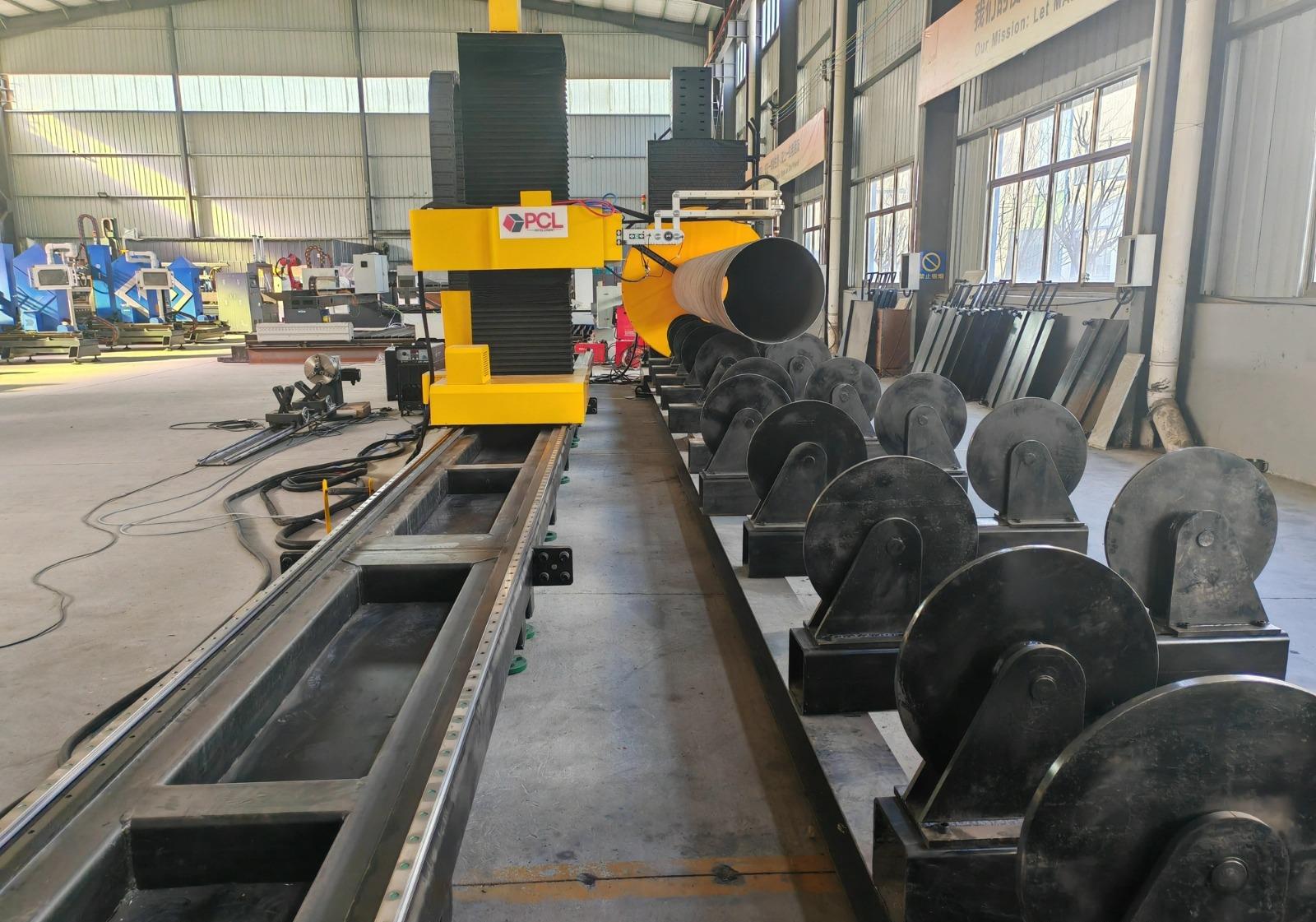
A CNC plasma pipe cutter built for pipe that standard machines cannot hold. A 3-jaw self-centring chuck turns pipe from Ø600 to Ø2000 mm while the cutting unit follows the pipe surface automatically and cuts end bevels, branch holes, saddles and intersections, with V, X and K bevels in one pass.
- Free test cut on your pipe
- 2-year machine warranty
- Installed in 80+ countries
- Factory direct since 2006
- Pipe diameter
- Ø600-2000 mm
- Pipe weight
- up to 10 t
- Plasma
- 200-400 A
- Clamping
- 3-jaw self-centring
- Wall thickness
- plasma ~50 mm, oxy-fuel 6-200 mm
What is a large diameter pipe cutting machine?
A large diameter pipe cutting machine, also called a large pipe cutting machine or big pipe cutting machine, rotates a heavy round steel pipe while a CNC plasma torch cuts its profile. It is built for the top end of the pipe range, Ø600 to Ø2000 mm and up to 10 t, where a standard pipe cutting and beveling machine runs out of chuck size and a tube laser runs out of wall thickness. One program cuts the pipe to length, the weld bevel, any branch holes and the saddle on the branch pipe that fits them.
Why heavy pipe needs a different machine
| Problem with Ø600-2000 mm pipe | How this machine handles it |
|---|---|
| Large pipes are hard to centre and a 10-tonne pipe sags | The 3-jaw self-centring chuck centres the pipe automatically when it clamps, and supports under the pipe carry the weight |
| The surface moves up and down as the pipe rotates because it is not perfectly round | The whole cutting unit rises and falls automatically to keep the torch at the right height |
| Ovality and bow put the torch off the surface | Active trajectory compensation corrects the cutting path to the real pipe shape |
| Fumes fill the inside of a large pipe | Internal extraction draws the fumes out through the pipe |
| Walls of 20-50 mm need weld preparation | 3D V, X and K bevels cut in the same pass as the profile |
Large diameter pipe cutter specifications
- Pipe diameter
- Ø600-2000 mm
- Max. pipe weight
- up to 10 t
- Clamping
- 3-jaw self-centring chuck
- Height control
- cutting unit rises and falls automatically with the pipe surface
- Process
- 6-axis CNC plasma cutting and beveling
- Wall thickness
- up to about 50 mm carbon steel with plasma
- Oxy-fuel (flame) cutting system
- optional, carbon steel 6-200 mm
- Plasma power
- 200-400 A, chosen to the wall thickness
- Bevel types
- V, X and K, 3D bevel up to ±45°
- Path correction
- active trajectory compensation for ovality and bow
- Fume control
- internal extraction through the pipe
- Pipe length
- built to order
Pipe length, plasma source and torch carriage are configured to your pipe. Send the largest pipe size, wall thickness and length and we confirm the configuration in the quotation.
Cutting thickness: plasma and oxy-fuel
Typical production piercing thickness on carbon steel. The exact value depends on the plasma source and gas.
| Cutting system | Carbon steel wall |
|---|---|
| 200 A | about 25-30 mm |
| 300 A | about 40 mm |
| 400 A | about 50 mm |
| Oxy-fuel system (option) | 6-200 mm |
Plasma, laser or oxy-fuel for large pipe?
| Process | Best for |
|---|---|
| Plasma (this machine) | Ø600-2000 mm, walls up to about 50 mm, fast cutting and beveling |
| Oxy-fuel (option on this machine) | Carbon steel walls 6-200 mm, beyond plasma range; slower |
| Tube laser | Thin-wall pipe and tube under about Ø600 mm |
Get the price and a free test cut
The price depends on the largest diameter, pipe weight and length. Send those, or a drawing, and we reply with a configuration and quotation. We can also cut a sample on your pipe and send the video.
Joints on heavy pipe
On Ø600-2000 mm pipe the joints are the same as on smaller pipe, but every cut is larger, heavier and harder to correct by hand, so cutting the right shape and bevel first time matters more. Typical jobs on this machine:
| Part | What the machine cuts |
|---|---|
| Offshore jacket legs and braces | Brace ends shaped to the leg, with a bevel that changes around the joint |
| Line pipe and fittings | Square or bevelled ends, tees and laterals |
| Penstock sections | Branch outlets and bevelled ends |
| Pressure vessel and tank shells | Nozzle openings, bevelled for the nozzle weld |
| Tube truss chords | Holes and slots where braces and gussets join |
Cut types the machine makes
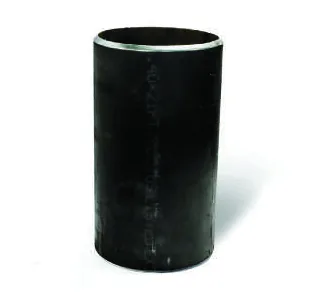
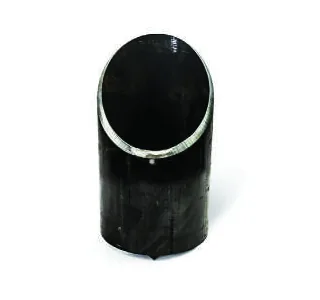
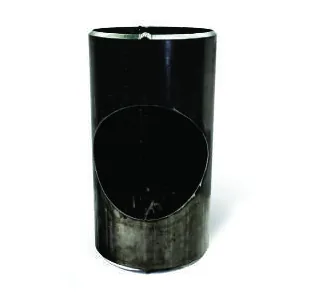
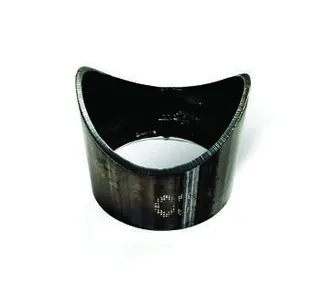
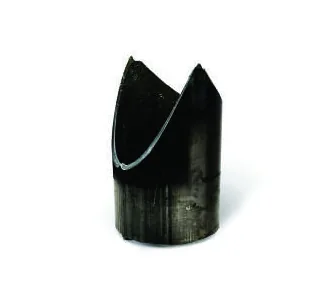
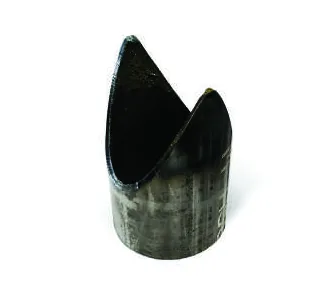
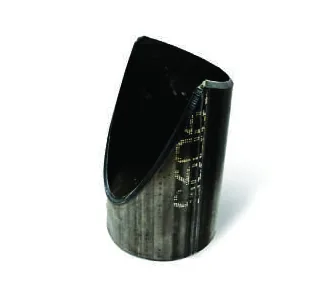
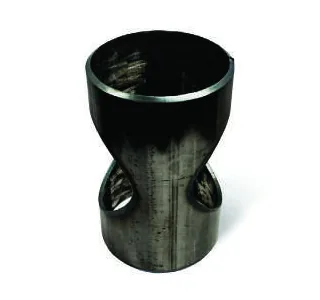
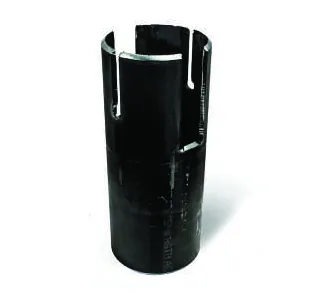
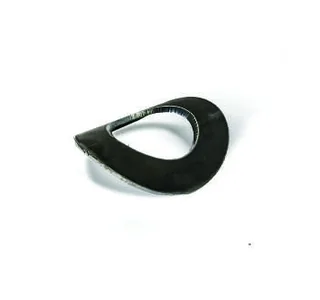
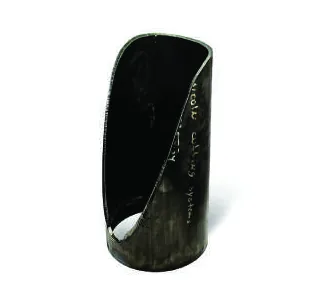
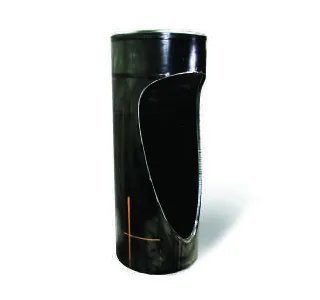
For the full list of cut types and how branch bevels work, see pipe profile cutting: 12 types of cuts explained.
How a large pipe is cut, step by step
- Load: the crane lowers the pipe onto the supports and the 3-jaw chuck clamps and centres it.
- Program: enter the pipe size, wall thickness and joint type, or import the 3D model; the software generates the cutting path and bevel angles.
- Measure: the machine checks the real pipe surface and corrects the path for ovality and bow.
- Cut: the chuck rotates the pipe while the torch moves along it, cutting profile and bevel together; fumes are drawn out through the pipe.
- Unload: the finished pipe comes off ready for fit-up and welding, with no grinding or manual bevelling.
What it is used for
Offshore and marine
Jacket legs and braces, piles and node joints with intersecting branches.
Pipelines and fittings
End bevels, tees and laterals on large line pipe.
Hydropower penstocks
Large pipe sections with bevels and branch outlets.
Pressure vessels and tanks
Nozzle holes in shells, cut and bevelled ready for welding.
Large tube trusses
Chords and braces for stadiums, airports and bridges.
Heavy machinery
Large cylinders and structural tubes with complex cut-outs.
Cut samples
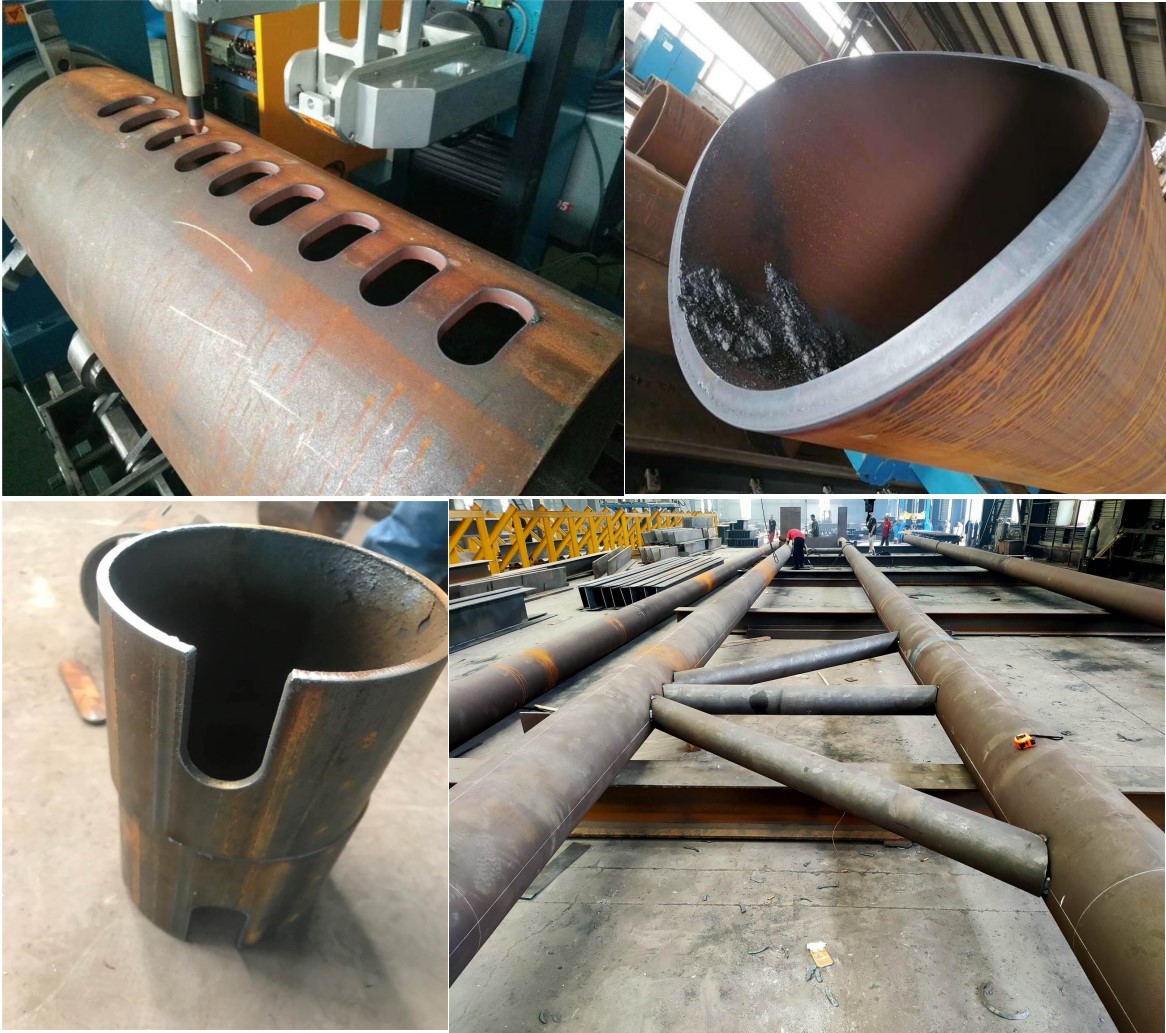

Large diameter pipe cutting video

Is this the right machine for your pipe?
| Your pipe | Recommended machine |
|---|---|
| Ø600-2000 mm, heavy wall, up to 10 t | This large diameter pipe cutting machine |
| Ø40-600 mm, round and square, with bevels | 5-axis pipe plasma cutting machine |
| Ø600-2000 mm with walls over about 50 mm | This machine with the oxy-fuel cutting system (6-200 mm) |
| Ø40-600 mm with very thick walls | Plasma and oxy-fuel pipe bevel cutter |
See all models on the CNC pipe cutting and beveling machine page.
Before you order: what to check
| Check | Why it matters |
|---|---|
| Largest and smallest pipe | Sets the chuck size and the lifting stroke of the cutting unit |
| Heaviest pipe | Sets the chuck and support capacity (up to 10 t on this model) |
| Thickest wall | Sets the plasma current; above about 50 mm, add the oxy-fuel cutting system (6-200 mm) |
| Longest pipe | Sets the bed length and crane access |
| Joint types | Plain bevels only, or branches and saddles in 3D |
| Floor space and power | The bed, supports and fume extraction need room on both sides |
Why buy from PCL
since 2006
Factory in Jinan, China, building cutting machines.
80+ countries
Machines installed worldwide.
2-year warranty
On the machine; consumables excluded.
Free test cut
On your pipe before you order.
On-site installation
With operator training.
Remote support
By WhatsApp and video.
Some dealers copy our photos and videos to sell look-alike machines. Buy direct from the manufacturer.
Related machines
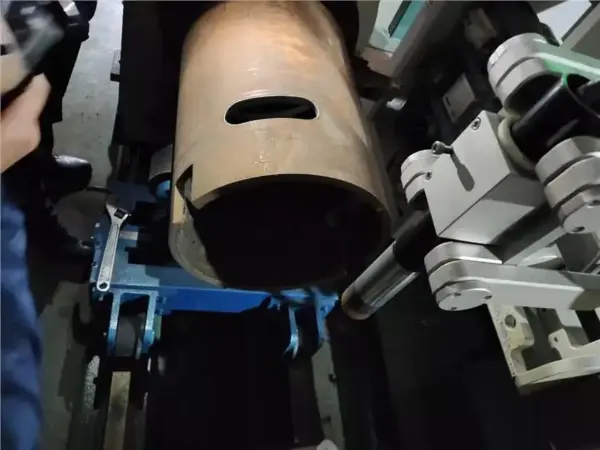
CNC Pipe Cutting and Beveling Machine
Overview of all pipe cutting and beveling models.
Compare all models →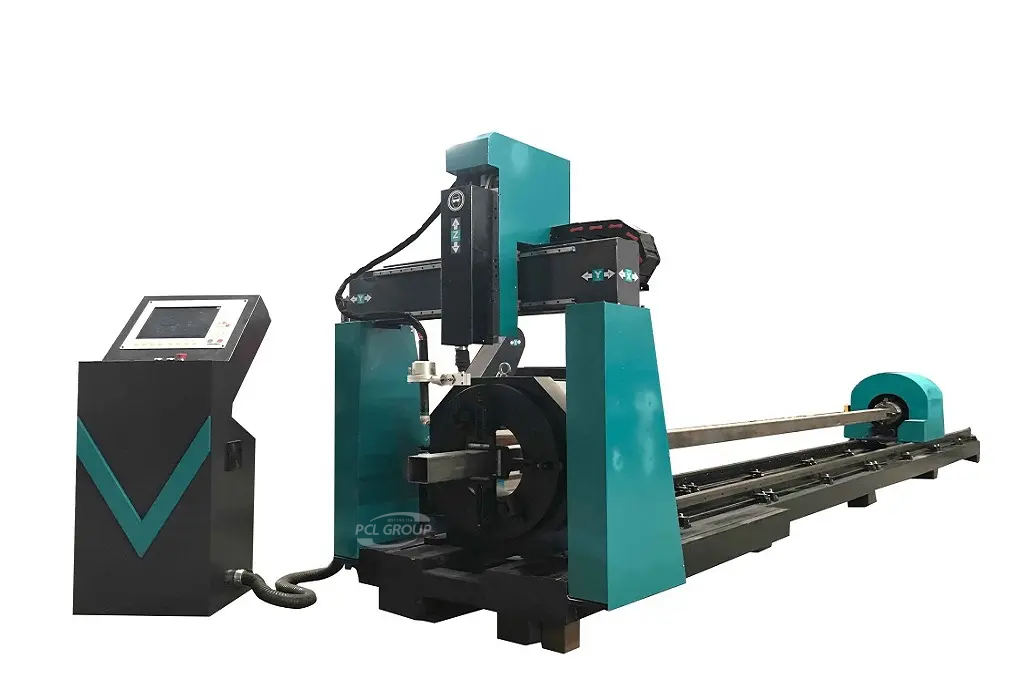
5-Axis Pipe Plasma Cutter
Round and square pipe up to Ø600 mm.
View machine →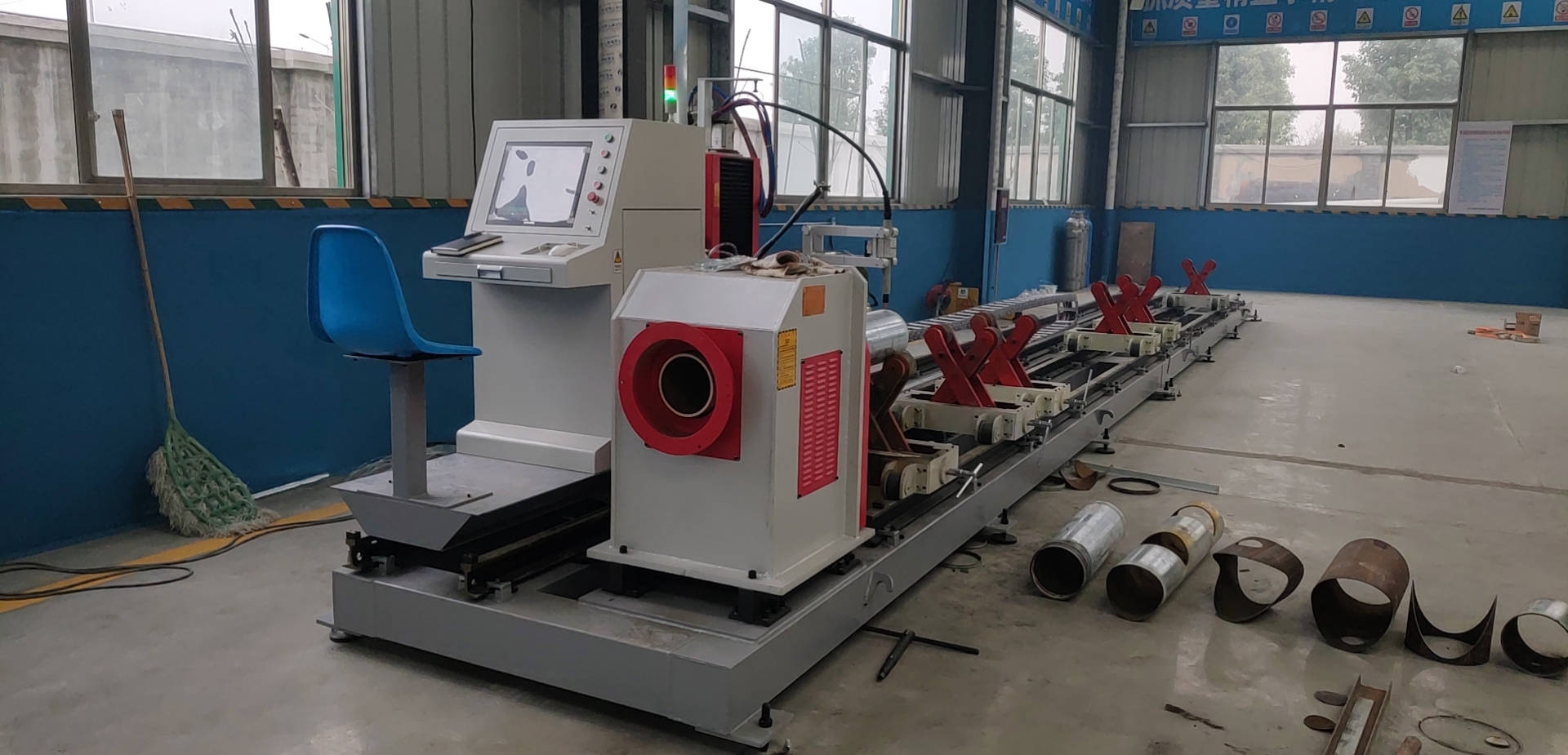
Plasma and Oxy-Fuel Pipe Bevel Cutter
Thick-wall pipe Ø40-600 mm, oxy-fuel to 200 mm.
View machine →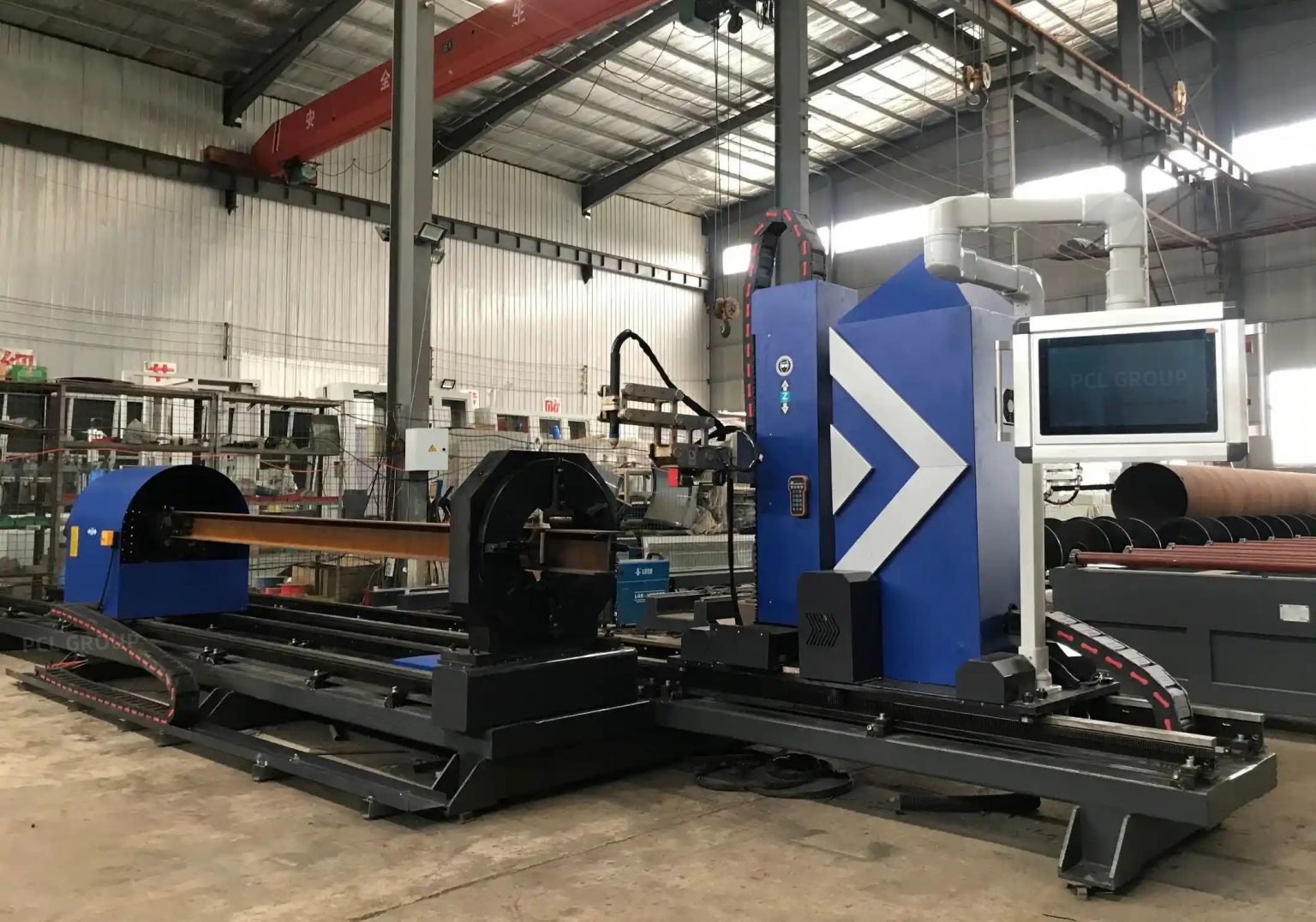
8-Axis Pipe and Beam Plasma Cutter
Pipe, box, channel and H-beam on one machine.
View machine →Frequently asked questions
What is a large diameter pipe cutting machine?
A CNC machine that rotates a large steel pipe while a plasma torch on a moving carriage cuts its profile: end bevels, branch holes, saddles and intersections. This model handles pipe from Ø600 to Ø2000 mm and up to 10 t, which is beyond the range of standard pipe cutters and tube lasers.
How do you handle pipes up to 2000 mm?
A heavy-duty 3-jaw self-centring chuck clamps, centres and rotates the pipe while supports under the pipe carry its weight. As the pipe turns, the whole cutting unit rises and falls automatically to follow the real pipe surface, so the torch stays at the right height even on a pipe that is not perfectly round.
Is internal extraction necessary?
Yes, for this size. A Ø2000 mm pipe is a large closed space; without extraction, plasma fumes collect inside and block the operator’s view and the sensors. The machine draws the fumes out through the pipe during cutting.
What wall thickness can it cut?
It depends on the plasma source fitted. As a guide for carbon steel, a 200 A source pierces up to about 25-30 mm, a 300 A source about 40 mm and a 400 A source about 50 mm in production. For heavier walls, an optional oxy-fuel (flame) cutting system cuts carbon steel from 6 to 200 mm. Tell us your thickest wall and we size the source to it.
Which bevels can it cut?
V, X and K bevels in 3D, with the bevel angle changing around the pipe as needed for saddles and branch connections. The torch tilts up to ±45°, which covers standard weld preparations such as 30°-37.5° V bevels with a root face.
What does trajectory compensation do?
Large pipes are never perfectly round or straight. The machine measures the real surface and corrects the torch path for ovality and bow, so the cut and the bevel stay where they should be along the whole pipe.
Can it cut intersections and saddles for branch pipes?
Yes. Enter the main and branch pipe sizes and the angle, or import the model, and the software generates the intersection curve and the matching saddle on the branch, with the bevel angle varying around the joint.
Why plasma and not laser for this size?
At Ø600-2000 mm and walls of 20-50 mm, plasma is the practical process: it cuts thick carbon steel quickly at a much lower machine cost than a laser of the same size, and it bevels in the same pass. Tube lasers are better for thin-wall pipe under about Ø600 mm.
What industries use it?
Offshore jackets and piles, pipelines and fittings, hydropower penstocks, pressure vessels and tank nozzles, and large tube trusses for stadiums, bridges and airports.
Can I see a test cut on my pipe?
Yes. Send a drawing or the pipe size, wall thickness and joint type, and we cut a sample at our factory in Jinan and send photos or a video.
How long does it take to cut one joint?
It depends on the pipe size, wall thickness and joint type. A plain bevel on a large pipe end takes minutes; a branch intersection with a varying bevel takes longer. Send your typical joint and we estimate the cycle time from a test cut.
What maintenance does it need?
Daily: check and replace plasma consumables and clean the torch. Weekly: clean the chuck jaws and supports and check the lifting axis of the cutting unit. Monthly: lubricate guides and check the extraction filters. Consumable life depends on current and arc-on time.
What is the warranty?
Three years on the machine. Consumables such as nozzles and electrodes are excluded.
Is this the same as a standard pipe cutting and beveling machine?
It is the heavy end of the range. For pipe from Ø40 to 600 mm, a standard 5- or 6-axis pipe cutting and beveling machine is faster and cheaper; this model is built for pipe that is too big or too heavy for those machines.
Get a quote and a test cut
Send your pipe data and we reply with the machine configuration and a price, and can cut a sample on your pipe size.
What happens next
- An engineer checks your sizes and parts.
- You receive the recommended configuration and a quotation.
- If you want, we cut a sample and send you the video.