Optimization of 6kW Fiber laser cutting for Carbon Steel in Toluca’s Industrial Sector
The industrial corridor of Toluca and Lerma represents one of Mexico’s most significant manufacturing hubs, particularly for the automotive, aerospace, and heavy machinery sectors. Within this ecosystem, the adoption of 6kW fiber laser technology has become a cornerstone for high-precision fabrication. A 6kW system offers a strategic balance between capital investment and processing capability, particularly when working with carbon steel—the most prevalent material in regional infrastructure and automotive component manufacturing.
Laser cutting at the 6kW power level provides a unique versatility. It is powerful enough to handle thick plates required for structural engineering while maintaining the high-speed efficiency necessary for thin-gauge sheet metal production. For manufacturers in Toluca, understanding the technical nuances of this equipment is essential to maintaining a competitive edge in a market driven by Tier 1 and Tier 2 supply chain requirements.
 laser cutting machine” style=”width: 100%; max-width: 800px; height: auto; margin: 20px 0;”>
Technical Specifications of the 6kW Fiber Laser
A 6kW fiber laser operates at a wavelength of approximately 1.064 microns. This wavelength is highly absorbed by carbon steel, allowing for efficient energy transfer. In the context of laser cutting, the power density at the focal point is the primary driver of performance. A 6kW source allows for a smaller spot size compared to CO2 lasers of equivalent power, resulting in a higher energy concentration.
For carbon steel, the 6kW threshold is significant because it allows for “High-Speed Oxygen Cutting” on medium thicknesses (6mm to 12mm) and reliable “Piercing Technology” for thick plates up to 25mm. The beam quality, often measured by the Beam Parameter Product (BPP), ensures that the kerf remains narrow even at high power, reducing material waste and improving the precision of intricate geometries.
Processing Carbon Steel: Material Interaction and Grades
Carbon steel, ranging from low-carbon (mild steel) to high-carbon alloys, is the primary feedstock for Toluca’s metalworking shops. Common grades such as A36, 1018, and high-strength low-alloy (HSLA) steels each respond differently to the laser beam. The 6kW laser excels at processing these materials due to the exothermic reaction between the iron in the steel and the oxygen assist gas.
When laser cutting carbon steel, the process relies on the oxygen to not only blow away the molten metal but also to add thermal energy to the cut through oxidation. This allows for faster speeds than nitrogen cutting in thicker sections, though it does leave a thin oxide layer on the edge. In Toluca’s automotive supply chain, where parts often require subsequent welding or painting, managing this oxide layer is a critical process step.
The Impact of Toluca’s Geography on Laser Performance
Operating a 6kW laser in Toluca presents unique environmental challenges that engineers must account for. Toluca is situated at an altitude of approximately 2,660 meters (8,700 feet) above sea level. This high altitude results in lower atmospheric pressure and lower oxygen density compared to coastal manufacturing sites.
Gas Density and Assist Gas Pressure: Because the air is thinner, the cooling efficiency of air-cooled components may be slightly reduced. More importantly, the calibration of assist gas pressures (Oxygen and Nitrogen) must be precise. Engineers often find that they need to increase the flow rate slightly to compensate for the lower ambient pressure to ensure the molten material is effectively purged from the kerf.
Humidity and Optics: Toluca experiences distinct wet and dry seasons. High humidity can lead to condensation within the laser’s internal cooling circuits if the chiller is not properly calibrated to the dew point. For a 6kW system, maintaining the “clean room” integrity of the cutting head is paramount to prevent dust and moisture from contaminating the protective windows, which can lead to thermal lensing and beam deviation.
Optimizing Cutting Parameters for 6kW Systems
Achieving the perfect cut in carbon steel requires a delicate balance of four primary variables: power, speed, gas pressure, and focal position. For a 6kW fiber laser, the following guidelines are standard for carbon steel optimization:
1. Focal Position Management
For thin carbon steel (1-3mm), the focus is typically set slightly above or at the surface of the material. However, as the thickness increases to 16mm or 20mm, the focus must be moved deeper into the material or even below the bottom surface to ensure the kerf is wide enough at the base to allow the assist gas to eject the dross. Modern 6kW heads often feature “Auto-Focus” capabilities that adjust these parameters dynamically during the piercing and cutting phases.
2. Assist Gas Selection: Oxygen vs. Nitrogen
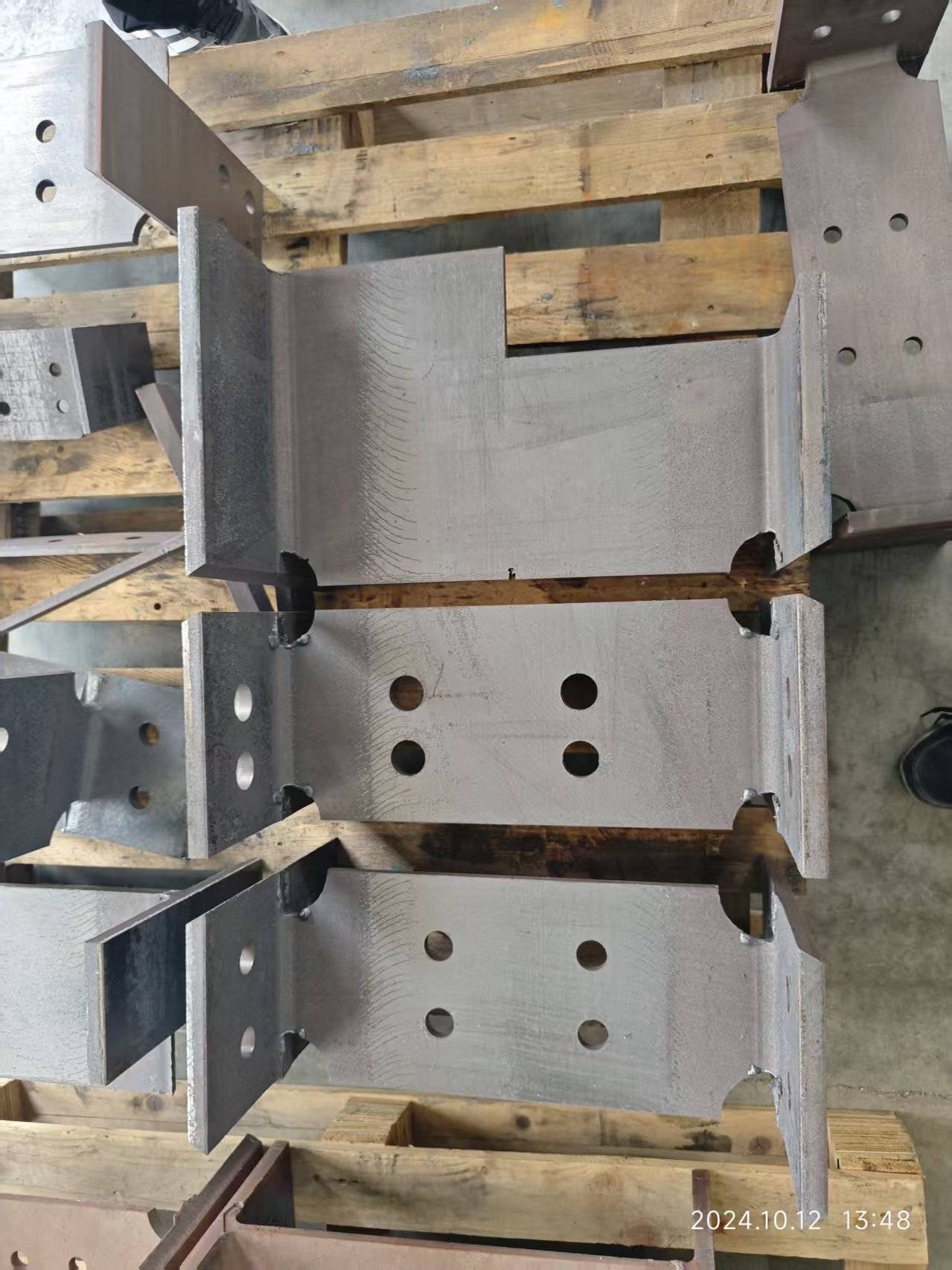
While Oxygen is the traditional choice for carbon steel due to the speed advantages in thick sections, 6kW power allows for “High-Pressure Air Cutting” or Nitrogen cutting on thinner gauges (up to 4mm or 6mm). Nitrogen cutting results in a “clean” or “bright” edge, free of oxidation. This is highly beneficial for Toluca-based manufacturers who want to skip the secondary cleaning process before powder coating or welding.
3. Piercing Technology
The 6kW power level enables “Flash Piercing” or “Multistage Piercing.” In thick carbon steel, a 6kW laser can pierce 20mm plate in a fraction of the time required by a 3kW or 4kW system. By using a ramped power approach and controlled oxygen pulses, the machine minimizes “crater” formation, allowing for parts to be nested more closely together, thereby increasing material utilization.
Maintenance Protocols for High-Altitude Operation
To ensure the longevity of a 6kW laser cutting system in the Toluca industrial climate, a rigorous maintenance schedule is required. The high altitude means the chiller unit works harder to dissipate heat. It is recommended to use high-quality deionized water and specialized additives to prevent algae growth and corrosion within the cooling lines.
Furthermore, the dust levels in industrial zones like the Toluca-Lerma corridor can be significant. The filtration system for the laser’s electrical cabinets and the dust collector for the cutting table must be inspected weekly. A clogged filter in a 6kW system can lead to overheating of the power modules, resulting in costly downtime.
Economic Impact and ROI for Toluca Manufacturers
The transition to 6kW laser cutting technology represents a significant capital expenditure, but the Return on Investment (ROI) in the Toluca market is often realized within 18 to 24 months. The primary drivers of this ROI are increased throughput and reduced cost-per-part. A 6kW laser can cut 6mm carbon steel nearly twice as fast as a 3kW laser, effectively doubling the machine’s output without doubling the labor or floor space costs.
Additionally, the ability to process thicker materials in-house allows Toluca shops to bid on a wider range of projects, from automotive chassis components to structural plates for the construction industry. By reducing the reliance on outsourced heavy-plate cutting, companies can better control their production timelines and quality standards.
Safety and Operator Training
Operating a Class 4 laser system requires specialized training, particularly at the 6kW level where reflections can be hazardous. In Toluca, where the manufacturing workforce is highly skilled but often transitions between industries, ongoing safety certification is vital. Operators must be trained to recognize the signs of “thermal runaway” in carbon steel, where the exothermic reaction becomes uncontrolled, potentially damaging the cutting head or the workpiece.
Protective eyewear, appropriate ventilation for iron oxide fumes, and a thorough understanding of the machine’s CNC interface are the foundations of a safe workshop. Most modern 6kW systems utilize a fully enclosed cabin to protect the surrounding environment from stray reflections, which is a mandatory requirement for safety compliance in modern Mexican industrial parks.
Conclusion
The 6kW fiber laser is an indispensable tool for the modern carbon steel fabricator in Toluca. By understanding the interplay between high-power fiber optics and the specific metallurgical properties of carbon steel, manufacturers can achieve unprecedented levels of productivity. Despite the challenges posed by Toluca’s altitude and climate, the precision, speed, and versatility of 6kW laser cutting ensure that it remains the gold standard for sheet metal fabrication in the region. As the local industry continues to evolve toward “Industry 4.0” standards, the integration of high-power lasers will be the defining factor in operational excellence and market leadership.