The 6kW Sheet Metal laser cutting Revolution in Monterrey’s Industrial Sector
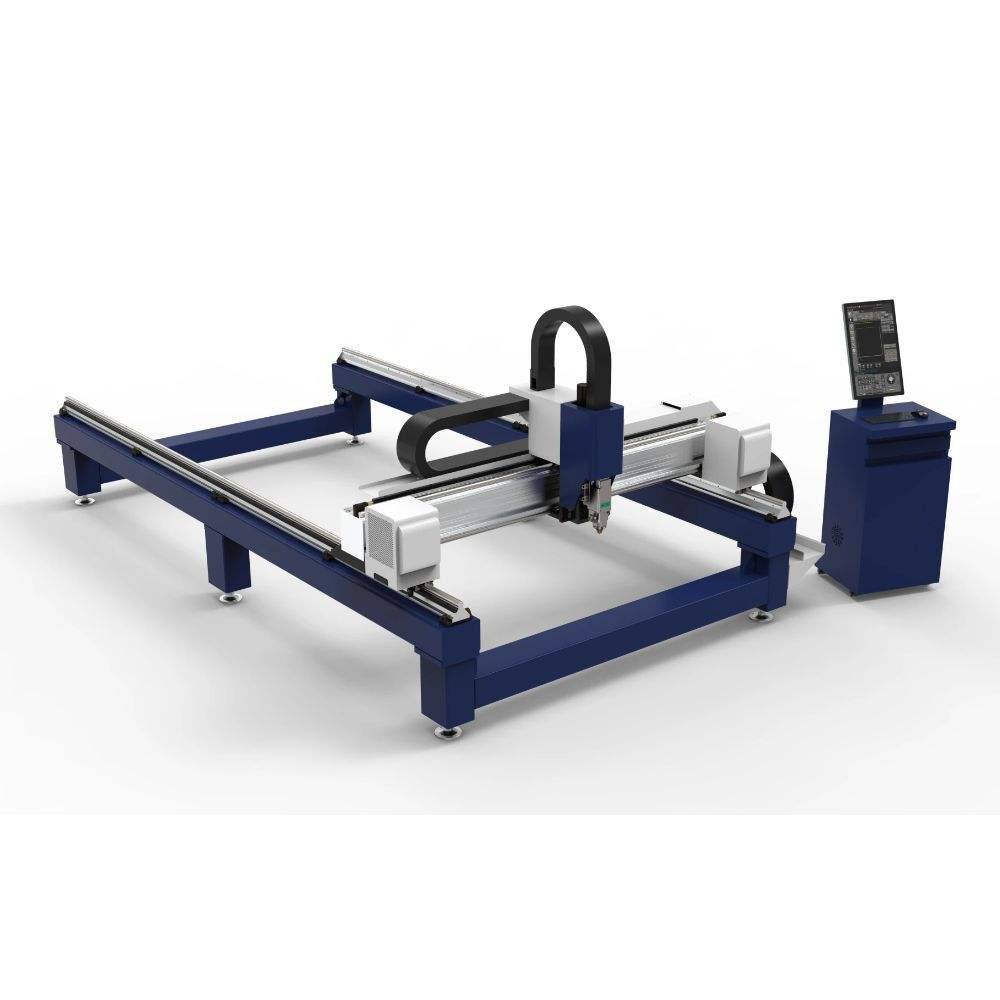
The industrial landscape of Monterrey, Nuevo León, has undergone a massive transformation over the last decade. As the “Sultan of the North” continues to solidify its position as Mexico’s premier manufacturing hub, particularly with the influx of nearshoring and the expansion of the automotive and aerospace sectors, the demand for precision metal fabrication has skyrocketed. At the heart of this evolution is the 6kW fiber laser cutting machine. This specific power level—6,000 watts—has emerged as the industry standard for workshops aiming to balance high-speed production with the ability to process thicker materials, specifically aluminum alloys.
For manufacturers in Monterrey, the choice of a 6kW system is not merely a purchase; it is a strategic investment in competitiveness. Whether serving the appliance industry in Apodaca or the heavy machinery sector in Santa Catarina, the efficiency of laser cutting determines the bottom line. This guide explores the technical nuances of utilizing 6kW fiber technology for aluminum alloy processing, focusing on the unique environmental and economic factors found in the Monterrey region.
Technical Superiority of the 6kW Fiber Source
The transition from CO2 lasers to fiber lasers was a turning point for aluminum fabrication. Aluminum is a highly reflective material with high thermal conductivity, which historically made it difficult to cut. A 6kW fiber laser operates at a wavelength of approximately 1.06 microns, which is absorbed much more efficiently by aluminum than the 10.6-micron wavelength of a CO2 laser. This increased absorption allows for faster piercing and higher cutting speeds, reducing the overall heat input into the part and minimizing thermal distortion.
A 6kW system provides a significant “sweet spot” for sheet metal. While 3kW or 4kW machines can handle thin aluminum, they struggle as thickness exceeds 6mm, often resulting in heavy dross and slow feed rates. Conversely, 10kW+ machines offer incredible speed but come with significantly higher operational costs and power requirements. For the diverse needs of Monterrey’s job shops, 6kW offers the versatility to cut 1mm decorative panels and 15mm structural components with equal precision.

Processing Aluminum Alloys: Challenges and Solutions
Aluminum alloys, such as the 5052 and 6061 series commonly used in Mexican manufacturing, present specific challenges during laser cutting. The primary issue is the material’s tendency to reflect the laser beam back into the cutting head, which can damage the optical fibers or the laser source itself. Modern 6kW machines are equipped with back-reflection protection systems, but the operator must still optimize parameters to ensure safety and quality.
When cutting aluminum in Monterrey’s high-production environments, dross (the solidified melt at the bottom of the cut) is a major concern. To achieve a “burr-free” finish, the 6kW laser must be paired with the correct focal position. Generally, for aluminum, a negative focus (focusing inside the material) is preferred. This broadens the kerf slightly, allowing the assist gas to eject the molten metal more effectively. Given the high humidity often experienced in Monterrey during the summer months, ensuring that the air and gas lines are free of moisture is critical to preventing porosity in the cut edge.
Optimizing Assist Gases for Monterrey’s Climate
The choice of assist gas is perhaps the most critical variable in laser cutting aluminum. In the Monterrey industrial corridor, nitrogen is the most common choice for high-quality finishes. Nitrogen acts as a mechanical force to blow away the melt without reacting with the aluminum, resulting in a clean, oxide-free edge that is ready for welding or painting without secondary processing.
However, the cost of nitrogen can be a significant overhead. Many shops in Santa Catarina are now investing in high-pressure nitrogen generators or liquid nitrogen tanks to sustain the high flow rates required by a 6kW laser. When cutting thicker aluminum (above 10mm), some fabricators may experiment with “Shop Air” (compressed air), provided it is filtered and dried to a high standard. While this reduces costs, it may introduce slight oxidation. For the automotive parts destined for Tesla or Kia plants in the region, the clean-cut finish of high-pressure nitrogen is usually non-negotiable.
Environmental Considerations: Heat and Dust in Nuevo León
Operating a 6kW laser cutting system in Monterrey requires specific attention to the local environment. The region is known for extreme temperatures, often exceeding 40°C in the summer. Fiber lasers are sensitive to heat; therefore, a high-capacity industrial chiller is mandatory. The chiller must be sized correctly to handle both the laser source and the cutting head optics. If the chiller fails to maintain a stable temperature, the beam quality will degrade, leading to inconsistent cuts and potential hardware failure.
Furthermore, the industrial nature of Monterrey means that ambient dust and particulate matter are prevalent. A 6kW laser relies on pristine optics. Even a microscopic dust particle on the protective window can absorb laser energy, heat up, and shatter the lens. Implementing a pressurized, filtered clean-room environment for the laser source and maintaining a strict cleaning schedule for the cutting head are essential practices for local fabricators.
Maximizing ROI: Speed, Precision, and Nesting
In the competitive Monterrey market, the return on investment (ROI) for a 6kW laser cutting machine is driven by throughput. The 6kW power level allows for “fly cutting,” a technique where the laser head moves in a continuous path without stopping for individual pierces on thin material. This can increase production speeds by up to 30% compared to lower-wattage systems.
Software integration also plays a vital role. Advanced nesting software optimizes the layout of parts on the aluminum sheet, minimizing scrap. Given that aluminum is significantly more expensive than carbon steel, reducing waste by even 5% can result in thousands of dollars in monthly savings. Monterrey’s top-tier fabricators use integrated CAD/CAM systems to transition seamlessly from design to production, ensuring that the 6kW laser is running as many hours as possible per shift.
Maintenance Protocols for High-Power Systems
A 6kW laser is a precision instrument that requires a disciplined maintenance regimen. In the context of Monterrey’s 24/7 manufacturing cycles, downtime is incredibly costly. Daily maintenance should include checking the protective windows, ensuring the nozzle is centered, and verifying gas pressures. Weekly tasks involve cleaning the motion system (rails and racks) to prevent the buildup of aluminum dust, which is abrasive and can cause premature wear on the mechanical components.
One specific risk with aluminum is the “fine dust” created during the laser cutting process. Aluminum dust is not only abrasive but also potentially explosive if allowed to accumulate in high concentrations. A robust dust extraction and filtration system is a critical safety requirement for any Monterrey shop. Ensuring that the filters are cleaned and the collection bins are emptied regularly is a fundamental aspect of operating a high-power fiber laser.
The Future of Fabrication in Monterrey
As we look toward the future, the integration of automation with 6kW laser cutting systems will be the next frontier for Monterrey’s industry. Automatic loading and unloading systems allow for “lights-out” manufacturing, where the machine continues to process aluminum sheets overnight with minimal human intervention. This level of automation is becoming increasingly necessary to meet the volume requirements of global supply chains.
Furthermore, the shift toward more sustainable manufacturing practices is pushing shops to optimize their energy consumption. While a 6kW laser requires significant power, its speed means that the energy consumed per part is often lower than that of less powerful machines that take longer to complete the same task. For companies in Monterrey looking to meet ESG (Environmental, Social, and Governance) targets, the efficiency of fiber laser technology is a key component of their strategy.
Conclusion
The 6kW sheet metal laser has become an indispensable tool for the aluminum alloy fabrication industry in Monterrey. Its ability to deliver high-speed, high-precision cuts across a wide range of thicknesses makes it the ideal choice for a region that demands both quality and volume. By understanding the technical requirements of aluminum processing—from back-reflection protection to assist gas optimization—and accounting for the local environmental challenges, Monterrey’s manufacturers can leverage this technology to remain at the forefront of the global industrial stage.
Investing in a 6kW system is more than just upgrading equipment; it is about embracing the precision and efficiency that define modern laser cutting. As the industrial heart of Mexico continues to beat faster, those equipped with the right technology and the knowledge to use it effectively will lead the way in the next era of North American manufacturing.













