Introduction to 6kW Precision Laser Systems in Tijuana’s Manufacturing Sector
The industrial landscape of Tijuana, Mexico, has evolved into a global powerhouse for high-precision manufacturing. As a critical hub for the aerospace, medical device, and electronics industries, the demand for advanced material processing has never been higher. Among the most challenging yet essential materials utilized in these sectors is brass. To meet the rigorous tolerances required by international standards, the implementation of a 6kW precision laser cutting system has become the gold standard for regional maquiladoras and engineering firms.
A 6kW fiber laser represents a significant leap in power density and operational efficiency. Unlike lower-wattage systems that may struggle with the high reflectivity and thermal conductivity of yellow metals, the 6kW threshold provides the necessary photonic energy to achieve clean, dross-free cuts at high velocities. This guide explores the technical nuances, operational strategies, and economic advantages of deploying high-power fiber lasers for brass fabrication within the Tijuana industrial corridor.
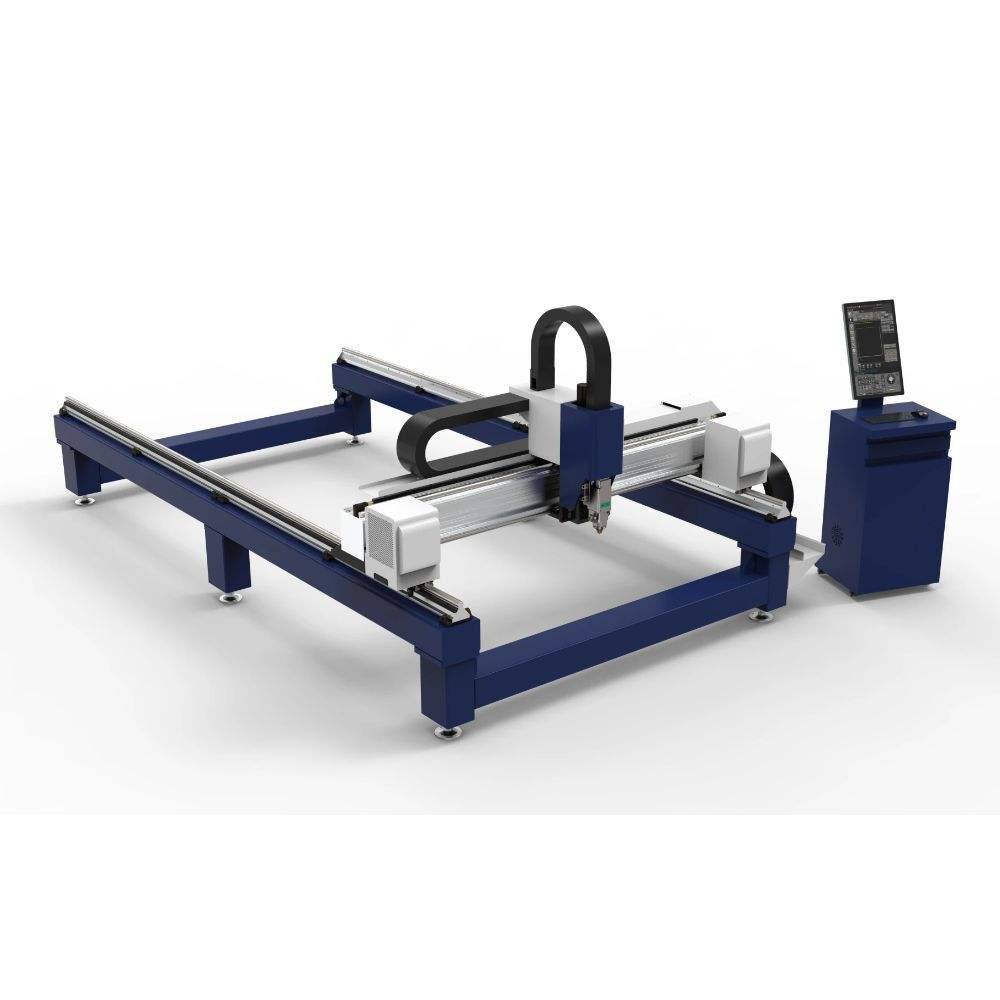
 laser cutting machine” style=”width: 100%; max-width: 800px; height: auto; margin: 20px 0;”>
The Physics of Brass and Fiber Laser Interaction
Brass, an alloy of copper and zinc, presents unique challenges for laser cutting. Its high reflectivity—particularly in the infrared spectrum—can cause back-reflections that damage the internal optics of less sophisticated laser sources. However, modern 6kW fiber lasers operate at a wavelength of approximately 1.06 microns, which is more readily absorbed by non-ferrous metals compared to the 10.6 microns of traditional CO2 lasers.
Overcoming Reflectivity with 6kW Power
At 6,000 watts, the laser beam possesses sufficient power density to instantaneously transition the brass from a solid to a molten state, effectively “breaking” the reflective barrier before the energy can bounce back into the delivery fiber. This process is further supported by advanced optical isolators and back-reflection protection software, which are standard in high-end 6kW systems. For engineers in Tijuana, this means the ability to process polished brass sheets without the fear of catastrophic resonator failure.
Thermal Conductivity and Heat Management
Brass is an excellent conductor of heat. During the laser cutting process, heat tends to dissipate rapidly away from the cut zone, which can lead to a wider heat-affected zone (HAZ) or melting of fine features if the cutting speed is too slow. The 6kW power output allows for significantly higher feed rates. By moving the beam faster across the material, the “dwell time” is minimized, ensuring that the thermal energy remains concentrated at the kerf. This results in sharper edges and more precise geometries, which are vital for electrical components and decorative architectural elements produced in Tijuana’s factories.
Technical Specifications and Optimization for 6kW Systems
To maximize the output of a 6kW system when working with brass, several technical parameters must be meticulously calibrated. Engineering teams must balance power, speed, gas pressure, and focal position to achieve the desired edge quality.
Assist Gas Selection: Nitrogen vs. Oxygen
In laser cutting brass, the choice of assist gas is paramount. Nitrogen is the preferred medium for high-precision applications. Operating at high pressures (typically between 15 and 20 bar), nitrogen acts as a mechanical force to eject molten material from the kerf while preventing oxidation. This results in a bright, clean edge that requires no secondary finishing. While oxygen can be used to increase cutting speeds in thicker sections by inducing an exothermic reaction, it often leaves a dark oxide layer on brass, which may be unacceptable for components requiring high electrical conductivity or aesthetic appeal.
Nozzle Geometry and Focal Dynamics
For a 6kW system, using a double-layer nozzle is often recommended to stabilize the gas flow. The focal point is typically set slightly below the surface of the material or at the midpoint, depending on the thickness. Precision laser cutting of 3mm to 6mm brass requires a stable beam profile to ensure the kerf remains narrow and consistent throughout the length of the cut. In Tijuana’s high-volume production environments, automated nozzle changers and cleaning stations are essential to maintain this precision over long shifts.
The Strategic Importance of Tijuana in Global Manufacturing
Tijuana’s proximity to the United States border and its robust infrastructure make it an ideal location for high-tech metal fabrication. The integration of 6kW laser cutting technology allows local manufacturers to compete on a global scale by offering rapid prototyping and large-scale production with minimal lead times.
Serving the Medical and Aerospace Sectors
The medical device industry in Baja California requires components with extremely tight tolerances and biocompatible finishes. Brass components used in diagnostic equipment must be free of burrs and thermal distortion. Similarly, the aerospace sector demands high-strength alloys processed with absolute repeatability. A 6kW laser provides the stability and power needed to meet these stringent AS9100 and ISO 13485 standards.
Economic Efficiency and Material Utilization
Brass is a costly raw material. Therefore, maximizing material utilization is a key economic driver for Tijuana-based shops. Advanced nesting software, paired with the narrow kerf of a 6kW laser cutting system, allows for parts to be placed closer together, significantly reducing scrap rates. Furthermore, the speed of a 6kW system reduces the “cost per part” by increasing the number of units produced per hour compared to 2kW or 3kW alternatives.
Maintenance and Operational Longevity
Investing in a 6kW precision laser is a significant capital expenditure. To ensure a high return on investment (ROI), a rigorous maintenance schedule must be followed, particularly when processing reflective materials like brass.
Chiller System Performance
A 6kW fiber laser generates substantial heat within the power source and the cutting head. The chiller system must be capable of maintaining a constant temperature within ±0.5°C. In the Mediterranean climate of Tijuana, where ambient temperatures can fluctuate, an industrial-grade chiller with dual-circuit cooling is necessary to protect the laser diodes and the external optics.
Optical Component Integrity
When laser cutting brass, the protective window (cover glass) of the cutting head is the most vulnerable component. Fine metallic dust and potential back-reflections can compromise the glass. Daily inspections and cleaning in a “clean-room” environment are recommended. Using high-quality, AR-coated (Anti-Reflective) optics specifically rated for 6kW power levels will prevent beam divergence and maintain cutting accuracy.
Conclusion: The Future of Metal Fabrication in Baja California
The adoption of 6kW precision laser cutting systems is transforming the manufacturing capabilities of Tijuana. By mastering the complexities of brass fabrication—specifically managing reflectivity and thermal dissipation—local engineers are positioning their facilities as centers of excellence for non-ferrous metal processing. As the demand for smaller, more complex, and more efficient components grows in the global market, the combination of high-power fiber laser technology and Tijuana’s skilled workforce will remain a formidable force in the industrial landscape.
For companies looking to upgrade their production lines, the transition to 6kW offers more than just raw power; it offers the precision, speed, and versatility required to handle the most demanding materials with confidence. Whether for intricate electronics or heavy-duty industrial valves, the 6kW laser is the definitive tool for the modern era of brass fabrication in Mexico.













