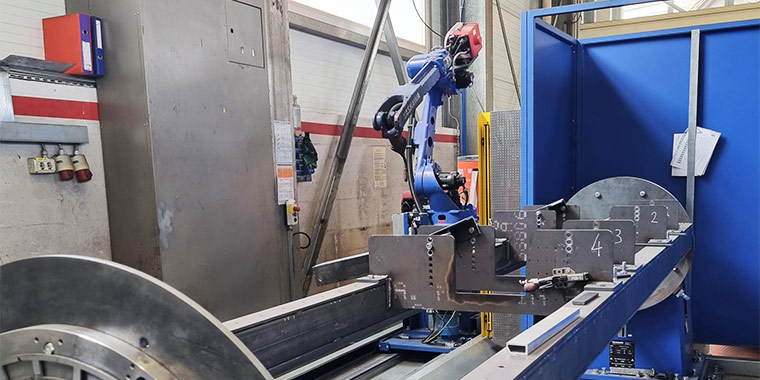
The Strategic Significance of 6000W Fiber Lasers in Jakarta
Jakarta, as the industrial heartbeat of Indonesia, sits at a unique intersection of global trade and domestic resource extraction. For the mining machinery sector, the shift from traditional plasma or mechanical cutting to 6000W fiber lasers is not merely an upgrade; it is a fundamental reconfiguration of the supply chain. Mining equipment—ranging from conveyor systems and vibrating screens to massive excavator frames—requires structural steel that can withstand extreme stress and abrasive environments.
The 6000W (6kW) fiber laser source is engineered to penetrate these high-tensile materials. Unlike lower-wattage systems that struggle with thickness or CO2 lasers that demand high maintenance, the 6kW fiber laser utilizes an ytterbium-doped fiber medium to generate a beam with a wavelength of approximately 1.07 microns. This wavelength is more readily absorbed by steel, allowing for higher cutting speeds and a significantly smaller heat-affected zone (HAZ). In the context of Jakarta’s humid tropical climate, the solid-state nature of these lasers ensures greater stability and lower sensitivity to environmental fluctuations compared to older gas-based technologies.
Universal Profile Processing: Beyond the Flat Plate
The term “Universal Profile” refers to the system’s ability to handle various geometries beyond simple flat sheets. In mining machinery, structural integrity is derived from H-beams, I-beams, C-channels, and L-angles. Conventional fabrication of these profiles involves manual marking, sawing, and drilling—processes that are labor-intensive and prone to human error.
A 6000W Universal Profile Laser System utilizes a specialized 3D cutting head and a multi-axis chuck system. This allows the laser to rotate the profile and move the head in concert, enabling complex intersections and “fish-mouth” cuts where two beams meet. For Jakarta-based manufacturers producing modular mining structures, this means that complex joints can be cut with tab-and-slot precision. This self-fixturing capability ensures that when components arrive at a remote mine site in Kalimantan or Papua, they fit together perfectly, reducing the need for on-site grinding or re-welding.
The Mechanics of Automatic Unloading
In a high-power 6000W environment, the bottleneck is rarely the cutting speed; it is the material handling. A 12-meter H-beam is heavy and dangerous to move manually. This is where the “Automatic Unloading” component becomes vital. The system integrates a series of synchronized conveyors, hydraulic lifters, and sorting arms that transition the finished profile from the cutting zone to a staging area without operator intervention.
The automatic unloading system is designed to handle the weight of mining-grade steel. Once the laser completes the final cut, a discharge unit supports the piece to prevent it from dropping and damaging the edges. This automation serves two purposes: safety and throughput. In Jakarta’s competitive manufacturing landscape, the ability to run a machine “lights-out” or with minimal supervision allows firms to fulfill large-scale mining contracts within tight deadlines. It also significantly reduces the risk of workplace injuries associated with handling heavy, sharp-edged steel profiles.
Optimizing Kerf and Heat Management in Mining Steel
One of the greatest challenges in mining machinery is the use of specialized steels like AR (Abrasion Resistant) plates or high-tensile structural grades. These materials are sensitive to heat. Traditional thermal cutting methods like oxy-fuel or plasma can alter the metallurgy of the edge, making it brittle or prone to cracking under the vibratory loads common in mining operations.
The 6000W fiber laser minimizes this risk. By concentrating high energy into a microscopic spot, the laser vaporizes the metal so quickly that heat has little time to conduct into the surrounding material. The resulting “kerf” (the width of the cut) is extremely narrow. This precision allows for the cutting of intricate bolt patterns and weight-reduction geometries directly into the main structural profiles. For a Jakarta-based engineer, this means the ability to design lighter, stronger mining components that can be produced in a single pass on the laser, eliminating the need for secondary drilling or milling.
Jakarta as a Hub for Maintenance and Technical Support
Deploying a 6000W laser system in Jakarta offers logistical advantages regarding the “Total Cost of Ownership.” Fiber lasers are known for their long diode life (up to 100,000 hours), but they still require expert calibration and a steady supply of consumables like nozzles and protective windows.
Being in Jakarta means proximity to the regional headquarters of major laser manufacturers and specialized technical service providers. This local ecosystem is crucial for the mining industry, where downtime can cost thousands of dollars per hour. The availability of high-purity assist gases (Oxygen and Nitrogen) in Jakarta’s industrial zones further enhances the performance of the 6kW system. When cutting thick carbon steel for mining frames, high-pressure oxygen is used to facilitate an exothermic reaction, speeding up the process. Conversely, for stainless steel components in processing plants, high-pressure nitrogen provides a clean, oxide-free cut that is ready for immediate welding.
Economic Impact on the Indonesian Mining Sector
The adoption of these systems has a ripple effect through the Indonesian economy. By localizing the production of high-precision mining machinery components in Jakarta, the industry reduces its reliance on expensive imports from Europe or China. This not only improves the balance of trade but also fosters a highly skilled local workforce proficient in CNC programming and laser physics.
The “Universal” aspect of the system means a single machine can replace a workshop full of saws, drills, and manual plasma cutters. This footprint reduction is particularly important in Jakarta’s premium industrial real estate market. A single 6000W profile laser can do the work of four or five traditional machines, providing a much higher return on investment (ROI) per square meter of factory floor.
Environmental and Safety Considerations
Modern 6000W fiber lasers are significantly more energy-efficient than their predecessors. They convert electrical energy into laser light with an efficiency of about 35-40%, compared to the 10% efficiency of CO2 lasers. In the context of global pushes for “Green Mining” and sustainable manufacturing, reducing the carbon footprint of the fabrication process is becoming a key metric for Jakarta-based firms looking to secure international tenders.
Furthermore, the integration of advanced dust extraction and filtration systems is standard in these high-power units. When cutting galvanized or treated steel profiles for mining infrastructure, the system captures hazardous fumes and particulates, ensuring a clean working environment that meets Indonesian OHS (Occupational Health and Safety) standards. The automatic unloading system further enhances this by keeping human operators away from the “hot zone” and moving mechanical parts.
Conclusion: The Future of Fabricated Mining Excellence
The 6000W Universal Profile Steel Laser System with Automatic Unloading is more than just a tool; it is a competitive necessity for Jakarta’s mining machinery sector. It bridges the gap between raw structural steel and high-performance engineering. By mastering the 6kW power level, manufacturers can tackle the thickest sections of an I-beam with the same finesse as a thin plate, all while maintaining the high-volume output required by the burgeoning Indonesian mining market.
As the demand for coal, nickel, and copper continues to drive the Indonesian economy, the pressure on machinery manufacturers to deliver faster and more durable solutions will only increase. The precision, automation, and versatility offered by this specific fiber laser configuration provide the technological foundation for Jakarta to lead the region in industrial fabrication. The future of mining machinery lies in the beam of a laser, where complexity is free and precision is absolute.