Mastering 4kW Tube laser cutting: A Guide for Galvanized Steel Fabrication in Mexico City
The industrial landscape of Mexico City (CDMX) and its surrounding metropolitan areas, such as Tlalnepantla and Naucalpan, is undergoing a significant technological transformation. As the demand for precision-engineered structural components rises, the adoption of the 4kW tube laser cutting machine has become a cornerstone for competitive manufacturing. This guide explores the technical nuances of operating a 4kW fiber laser, specifically focusing on the challenges and advantages of processing galvanized steel within the unique environmental conditions of the Valley of Mexico.
The Technical Superiority of 4kW Fiber Laser Power
In the realm of tube fabrication, power selection is a critical decision that dictates throughput and edge quality. A 4kW power source represents the “sweet spot” for most industrial applications involving galvanized steel tubes. Unlike lower-wattage systems, a 4kW laser provides the necessary energy density to maintain high feed rates while penetrating the reflective zinc coating that characterizes galvanized materials.
Fiber laser technology, operating at a wavelength of approximately 1.06 microns, is exceptionally well-absorbed by metallic surfaces. When applied to tube profiles—whether round, square, or rectangular—the 4kW beam allows for “flying cuts” on thin-walled sections (1mm to 3mm) and stable, high-quality piercing on thicker structural sections up to 10mm. This versatility is essential for Mexico City’s diverse manufacturing sector, which ranges from automotive tier-suppliers to architectural framework fabricators.

Processing Galvanized Steel: Overcoming the Zinc Barrier
Galvanized steel presents a unique set of challenges for laser cutting. The material consists of a carbon steel core coated with a protective layer of zinc. The boiling point of zinc (approx. 907°C) is significantly lower than the melting point of steel (approx. 1500°C). During the laser cutting process, the zinc layer vaporizes before the steel melts, which can lead to several complications:
- Plasma Cloud Formation: Rapidly vaporizing zinc can create a plasma cloud that interferes with the laser beam’s focus, potentially causing the cut to fail or reducing speed.
- Back-Reflection: While fiber lasers handle reflections better than CO2 lasers, the shiny surface of galvanized steel requires precise focus management to prevent damage to the optical components.
- Dross Attachment: Vaporized zinc can mix with molten steel, leading to “slag” or dross at the bottom of the cut, which requires secondary cleaning.
To mitigate these issues, 4kW systems utilize advanced “Power Modulation” and specialized nozzle designs. By fine-tuning the frequency and duty cycle of the laser pulse, operators in Mexico City can achieve dross-free edges that require no post-processing, saving significant labor costs.
Environmental Considerations: Laser Cutting at 2,240 Meters
Operating high-precision machinery in Mexico City requires accounting for the city’s high altitude. At 2,240 meters above sea level, the atmospheric pressure is lower, and the air is thinner than at sea level. This affects the 4kW tube laser cutting system in two primary ways: cooling efficiency and gas dynamics.
Chiller Performance and Thermal Management
The 4kW laser source and the cutting head generate substantial heat. Most chillers are rated for performance at sea level. In CDMX, the reduced air density means that air-cooled heat exchangers are less efficient. Engineers must ensure that the chiller units are either over-specced or equipped with enhanced airflow systems to prevent thermal shutdown during the peak afternoon temperatures in the Valley of Mexico. Maintaining a constant temperature is vital for beam stability and the longevity of the fiber source.
Assist Gas Dynamics
The choice of assist gas—Nitrogen or Oxygen—is pivotal when laser cutting galvanized steel. Nitrogen is generally preferred for galvanized tubes because it acts as a mechanical force to eject molten material without causing oxidation. This preserves the corrosion-resistant properties of the zinc near the cut edge. However, the lower atmospheric pressure in Mexico City can influence the laminar flow of gas from the nozzle. Operators must often recalibrate gas pressure settings (typically increasing them by 5-10% compared to sea-level standards) to ensure the kerf is cleared effectively.
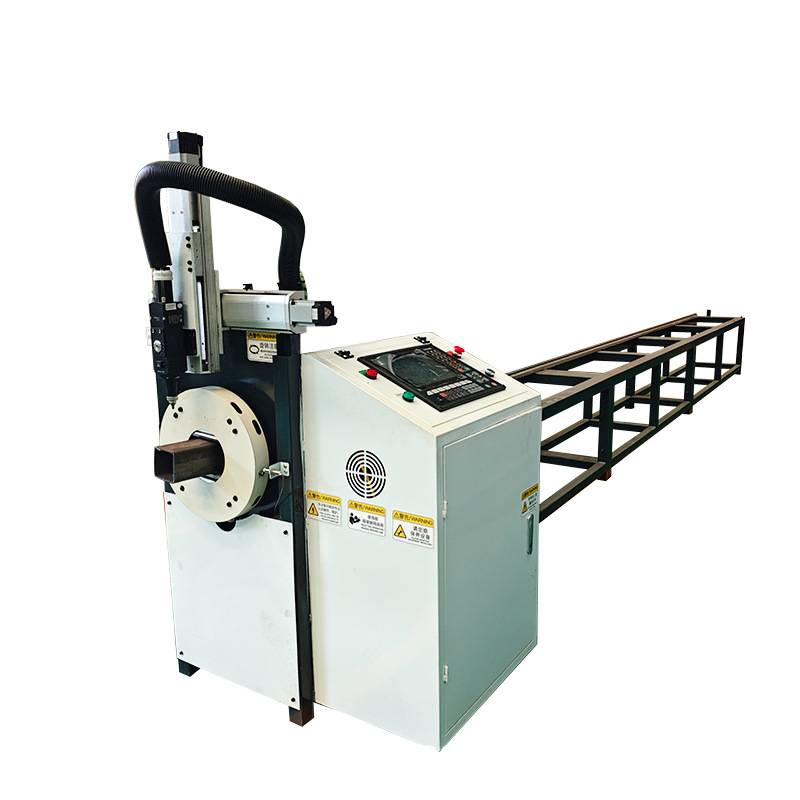
Optimizing the Workflow for CDMX Workshops
Efficiency in a Mexico City workshop is not just about the speed of the laser cutting itself, but the integration of the machine into the broader production cycle. The 4kW tube laser often replaces multiple traditional steps, including sawing, drilling, and milling.
Nesting and Material Utilization
With the fluctuating costs of raw steel in the Mexican market, material utilization is paramount. Advanced nesting software allows operators to pack parts tightly on a single tube length, minimizing “remnant” waste. For galvanized steel, which is often used in high-volume production like shelving or bus frames, a 4kW machine can perform “common line cutting,” where a single pass of the laser creates the edges for two adjacent parts, further reducing gas consumption and processing time.
Automation and Loading Systems
Given the industrial density of areas like Ecatepec and Vallejo, floor space is often at a premium. Modern 4kW tube lasers are available with compact automatic loading systems. These systems can pre-load bundles of galvanized tubes, feeding them into the chucks without manual intervention. This allows for “lights-out” manufacturing, where the laser cutting process continues through shifts with minimal supervision, maximizing the ROI of the equipment.
Maintenance and Safety in Galvanized Applications
The laser cutting of galvanized steel produces zinc oxide fumes, which are not only hazardous to health but also detrimental to the machine’s optical health if not managed correctly. Zinc oxide is a fine, white powder that can settle on linear guides, sensors, and the protective window of the cutting head.
Filtration and Extraction
In the high-altitude environment of Mexico City, where air quality is a constant concern and environmental regulations (SEDEMA) are stringent, a high-capacity dust extraction system is mandatory. The filtration unit must be equipped with PTFE-coated filters to prevent the sticky zinc particles from clogging the media. Regular cleaning of the extraction ducts is essential to prevent fire hazards and ensure the workspace remains safe for operators.
Optical Care
For a 4kW system, the protective window (cover glass) is the most replaced consumable. When processing galvanized tubes, “spatter” from the zinc layer can occasionally reach the glass. Daily inspections and the use of high-quality, original consumables are critical. In Mexico City’s industrial supply chain, sourcing these components from reliable local distributors ensures that the laser cutting machine maintains its precision without prolonged downtime.
The Economic Impact on the Mexican Market
The transition to 4kW tube laser cutting technology offers a significant competitive edge for Mexican SMEs. By reducing the “cost per part” through higher speeds and lower secondary processing requirements, local shops can compete with international manufacturers. Galvanized steel, being the material of choice for the solar energy sector (mounting structures) and the construction of greenhouses in regions like Puebla and Morelos, finds its most efficient processing method in the fiber laser.
ROI Projections
A typical 4kW tube laser cutting machine in a high-demand environment like CDMX can see an ROI (Return on Investment) within 18 to 24 months. This is achieved by eliminating the need for jigs, reducing scrap rates to below 1%, and the ability to take on complex geometric cuts—such as saddle joints and interlocking tabs—that are impossible with mechanical saws.
Conclusion: The Future of Tube Fabrication
As Mexico City continues to solidify its role as a North American manufacturing hub, the 4kW tube laser stands as a vital tool for innovation. Specifically, for galvanized steel applications, the combination of high power, advanced gas management, and an understanding of local environmental factors allows fabricators to achieve world-class results. By mastering the nuances of laser cutting at high altitudes and managing the specific properties of zinc-coated materials, Mexican engineers are not just cutting tubes; they are building the infrastructure of the future with unprecedented precision and efficiency.
Whether you are producing automotive exhaust components, structural scaffolding, or intricate furniture designs, the 4kW fiber laser provides the reliability and performance necessary to thrive in the demanding industrial ecosystem of Mexico City.













