Introduction to 4kW Tube laser cutting in Puebla’s Industrial Sector
The industrial landscape of Puebla, Mexico, has undergone a significant transformation over the last decade. As a primary hub for automotive manufacturing, aerospace components, and heavy machinery, the demand for high-precision metal fabrication has never been higher. Among the most critical advancements in this field is the implementation of the 4kW tube laser cutter, a machine that has redefined how non-ferrous metals, particularly brass, are processed. In a region where efficiency and precision are paramount to maintaining a competitive edge in global supply chains, the 4kW fiber laser stands out as the gold standard for versatility and power.
Brass, known for its excellent conductivity, corrosion resistance, and aesthetic appeal, is a notoriously difficult material to process using traditional methods. However, with the advent of high-power fiber laser cutting technology, manufacturers in Puebla are now able to achieve intricate geometries and high-speed production cycles that were previously thought impossible. This guide explores the technical nuances of utilizing a 4kW system for brass tube fabrication and why this specific configuration is ideal for the Mexican manufacturing market.
The Technical Advantage of 4kW Fiber Technology
When discussing laser cutting, the power rating is more than just a measure of speed; it is a measure of capability. A 4kW fiber laser source provides the necessary energy density to overcome the high reflectivity of brass. Unlike CO2 lasers, which struggle with “yellow metals” due to beam reflection that can damage the resonator, fiber lasers operate at a wavelength (typically around 1.06 microns) that is much more readily absorbed by brass.
Overcoming Reflectivity in Brass
Brass is a highly reflective material. In the early days of laser technology, attempting to cut brass often resulted in “back-reflection,” where the laser beam bounces off the metal surface and returns into the cutting head, potentially destroying the optical fiber or the laser source. Modern 4kW tube laser cutters are equipped with advanced back-reflection protection systems. These sensors detect any reflected light and instantly adjust the beam parameters or shut down the system to prevent damage. For shops in Puebla handling high volumes of brass decorative fixtures or electrical connectors, this safety feature is indispensable.
Piercing and Cutting Speeds
At 4kW, the laser has sufficient “punch” to pierce through thick-walled brass tubes almost instantaneously. This reduces the heat-affected zone (HAZ), ensuring that the structural integrity and the color of the brass remain consistent. For a 4mm wall thickness brass tube, a 4kW system can maintain high linear cutting speeds while ensuring a burr-free finish, significantly reducing the need for secondary grinding or polishing processes.
Strategic Importance for Puebla’s Automotive and Electrical Hubs
Puebla is home to some of the world’s largest automotive assembly plants and a vast network of Tier 1 and Tier 2 suppliers. Many of these suppliers are tasked with producing specialized brass bushings, fuel system components, and electrical housings. The 4kW tube laser cutter allows these companies to transition from slow, manual sawing and drilling to a fully automated CNC workflow.
Precision for Automotive Components
In automotive engineering, tolerances are often measured in microns. The 4kW tube laser utilizes high-precision chucks and sophisticated software to ensure that every cut—whether it is a simple vertical chop or a complex 3D interlocking joint—is executed with absolute repeatability. This level of precision is vital for the seamless assembly of vehicle components, where even a fraction of a millimeter of deviation can lead to structural failure or assembly line delays.
Customization in the Decorative and Architectural Sector
Beyond the industrial giants, Puebla has a rich tradition of architectural metalwork. Brass is a preferred material for high-end interior design, furniture, and lighting. The ability of the 4kW laser cutting system to handle various tube profiles—including square, rectangular, oval, and D-shaped tubes—opens up a world of creative possibilities for local artisans and architectural firms. Intricate patterns can be cut into brass tubes to create stunning decorative screens or structural elements that combine strength with elegance.
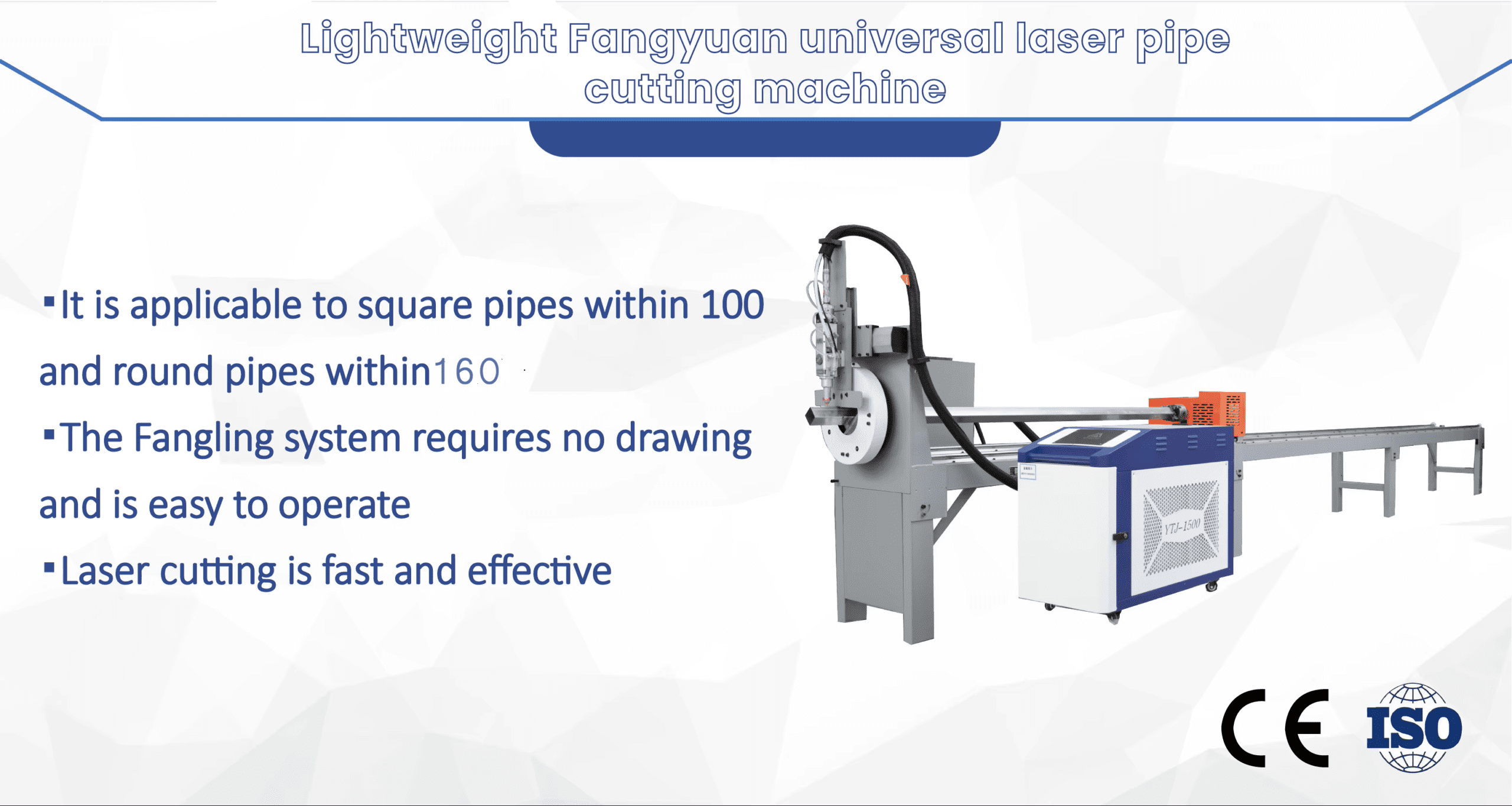
 laser cutting machine“>
Optimizing Gas Selection for Brass Cutting
One of the most critical factors in achieving a high-quality cut in brass is the choice of assist gas. When using a 4kW tube laser, the two primary options are Nitrogen and Oxygen, each serving a distinct purpose depending on the desired outcome.
Nitrogen: The Clean-Cut Standard
For most brass applications in Puebla, Nitrogen is the preferred assist gas. Nitrogen acts as a shielding gas, blowing away the molten metal before it can react with oxygen in the air. This results in a “bright” cut edge that retains the natural golden hue of the brass. Because there is no oxidation, the parts are ready for immediate welding or plating, which is a significant advantage in high-throughput manufacturing environments.
Oxygen: Power for Thickness
While less common for brass than for carbon steel, Oxygen can be used when cutting exceptionally thick brass tubes. The Oxygen reacts with the metal, creating an exothermic reaction that adds heat to the cutting process, allowing the laser to penetrate deeper. However, this often leaves a darkened, oxidized edge that requires cleaning. Given the 4kW power capacity, most shops find that Nitrogen provides the best balance of speed and finish quality for standard brass thicknesses.
Advanced Hardware Components of the 4kW System
A 4kW tube laser cutter is a complex symphony of mechanical and optical engineering. To successfully process brass in a demanding environment like Puebla, several key components must be optimized.
Pneumatic Chuck Systems
The chucks are responsible for holding and rotating the tube during the laser cutting process. High-end machines utilize self-centering pneumatic chucks that can handle a wide range of diameters without the need for manual adjustment. For brass tubes, which can be softer than steel, the ability to adjust the clamping pressure is vital to prevent deformation of the tube walls while still ensuring a secure grip during high-speed rotations.
The Fiber Laser Source
The heart of the machine is the fiber laser source. Leading manufacturers often utilize sources from IPG Photonics or Raycus, which are known for their stability and long service life. A 4kW source provides a stable beam quality (M2 factor), which is essential for maintaining a small focal spot. A smaller spot size means higher energy density, which translates to narrower kerf widths and the ability to cut finer details in the brass.
Automatic Loading and Unloading
To maximize the ROI of a 4kW system in a competitive market like Puebla, automation is key. Automatic bundle loaders can feed raw brass tubes into the machine continuously, allowing for “lights-out” manufacturing. This reduces labor costs and ensures that the expensive laser source is active for the maximum number of hours per shift.
Maintenance and Longevity in the Mexican Climate
The environmental conditions in Puebla—characterized by its altitude and varying humidity—require specific maintenance protocols to ensure the longevity of a 4kW tube laser. Dust and debris are the enemies of precision optics.
Optical Cleanliness
The cutting head contains sensitive lenses and protective windows. Even a microscopic speck of dust on the lens can absorb the 4kW laser energy, causing the lens to overheat and crack. Operators must be trained in clean-room techniques for inspecting and cleaning optics daily. Many shops in Puebla implement positive-pressure enclosures for their laser machines to keep the surrounding industrial dust at bay.
Chiller Calibration
A 4kW laser generates a significant amount of heat. A high-capacity dual-circuit chiller is required to cool both the laser source and the cutting head. In Puebla, ensuring the chiller is filled with the correct ratio of deionized water and additives is crucial to prevent internal corrosion and algae growth, which could clog the narrow cooling channels of the laser system.
Conclusion: The Future of Brass Fabrication in Puebla
Investing in a 4kW tube laser cutter represents a strategic leap forward for any fabrication business in Puebla. The combination of high power, fiber optic efficiency, and advanced automation allows for the processing of brass with unprecedented speed and accuracy. As the automotive and aerospace sectors in Mexico continue to demand more complex and high-quality components, those equipped with 4kW laser cutting technology will be best positioned to lead the market.
By understanding the technical requirements of brass—specifically its reflectivity and gas dynamics—and pairing that knowledge with a robust 4kW hardware platform, manufacturers can achieve a level of productivity that transforms their operational capacity. Whether for industrial components or architectural masterpieces, the 4kW tube laser is the definitive tool for modern brass fabrication in the heart of Mexico’s industrial corridor.