Introduction to 40kW Tube laser cutting Technology
The advent of ultra-high-power fiber lasers has fundamentally transformed the landscape of metal fabrication. At the pinnacle of this evolution lies the 40kW tube laser cutter, a machine engineered for unprecedented speed, precision, and the ability to process thick-walled materials that were previously the sole domain of mechanical sawing or plasma cutting. In industrial hubs like Leon, where manufacturing efficiency is paramount, the integration of 40kW systems represents a significant leap in production capacity, particularly for non-ferrous metals such as brass.
Laser cutting at 40kW is not merely about raw power; it is about the density of energy delivered to the workpiece. For tube processing, this means the ability to execute complex geometries, bevel cuts, and intricate nesting patterns on round, square, and rectangular profiles with a level of thermal control that minimizes the heat-affected zone (HAZ). This guide explores the technical nuances of operating these machines, with a specific focus on the challenges and solutions associated with brass fabrication in the Leon industrial sector.
The Engineering Advantage of 40kW Power Density
In the realm of fiber optics, 40kW represents a threshold where the physics of material interaction changes. Traditional laser cutting systems in the 4kW to 10kW range often struggle with thick-walled tubes or highly reflective alloys. The 40kW source provides a power reserve that allows for “high-speed fusion cutting.” This process uses the laser to melt the metal instantaneously, while a high-pressure assist gas (typically nitrogen) expels the molten material from the kerf.
Enhanced Piercing Capabilities
One of the primary bottlenecks in tube laser cutting is the piercing phase. With 40kW of power, the “lightning pierce” technique becomes standard. The machine can penetrate thick brass walls in a fraction of a second, reducing the overall cycle time per part. This is critical when processing large batches of structural tubing where hundreds of holes or notches are required. The precision of the pierce also ensures that there is no “blow-back” of molten metal that could damage the laser nozzle or the protective window.
 laser cutting machine” style=”width: 100%; max-width: 800px; height: auto; margin: 20px 0;”>
Processing Brass: Overcoming Reflectivity and Thermal Conductivity
Brass, an alloy of copper and zinc, is notoriously difficult for lower-power lasers due to its high reflectivity and high thermal conductivity. In the early days of laser cutting, brass was often avoided because back-reflections could travel back up the fiber cable and destroy the laser source. However, modern 40kW fiber lasers are equipped with advanced back-reflection isolators and “beam-shaping” technology.
The Physics of Absorption
At 40kW, the energy delivered to the surface of the brass tube exceeds the material’s reflective threshold almost instantly. Once the initial melt pool is formed, the absorption rate of the laser energy increases significantly. This allows the laser cutting process to stabilize, maintaining a consistent kerf width even as the tube rotates. In Leon’s decorative and architectural industries, where brass is frequently used for its aesthetic properties, this stability ensures that the edges are smooth and free of dross, reducing the need for secondary finishing processes.
Managing Zinc Vaporization
Brass contains zinc, which has a lower melting point than copper. During laser cutting, zinc can vaporize, creating a fine dust that can interfere with the laser beam if not properly managed. 40kW systems utilize high-flow extraction units and optimized nozzle designs to create a “gas curtain” that protects the optics and ensures the vaporized zinc does not settle back onto the workpiece or the machine’s internal components.
Mechanical Precision in Tube Handling
A 40kW laser source is only as effective as the motion control system carrying it. For tube laser cutting, this involves a complex synchronization between the laser head (moving in X, Y, and Z axes) and the chucks (rotating the tube in the A and B axes). The mechanical engineering of the machine must account for the weight of heavy-walled brass tubes while maintaining micron-level accuracy.
Four-Chuck Systems and Zero-Wastage
Advanced 40kW machines often employ a four-chuck system. This configuration allows for the processing of exceptionally long tubes with minimal vibration. More importantly, it enables “zero-tailing” or “zero-wastage” cutting. By passing the tube through multiple chucks, the machine can cut right to the very end of the material. In a market like Leon, where the cost of raw brass can be volatile, maximizing material utilization is a direct contributor to profitability.
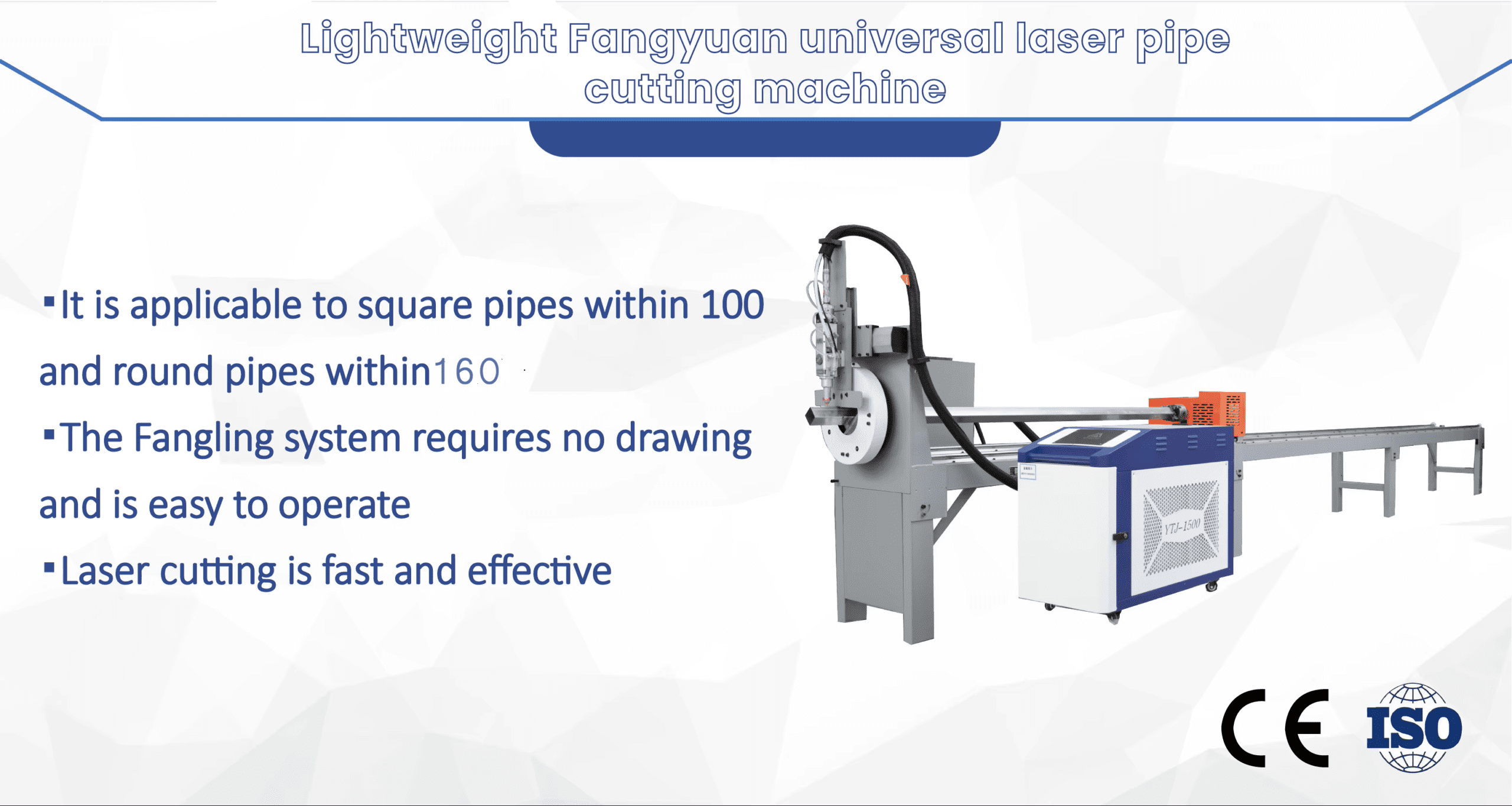
The Industrial Landscape of Leon
Leon has established itself as a cornerstone of manufacturing excellence, particularly in the automotive, footwear, and construction sectors. The introduction of 40kW laser cutting technology provides local manufacturers with a competitive edge on a global scale. The ability to process heavy-duty brass components for electrical connectors, heat exchangers, and architectural facades locally reduces lead times and shipping costs associated with importing finished parts.
Integration with Industry 4.0
Modern 40kW tube lasers are fully integrated into the Industry 4.0 ecosystem. In Leon’s smart factories, these machines are linked to centralized ERP systems. Nesting software automatically calculates the most efficient way to cut parts from a single length of brass tube, while real-time monitoring tracks gas consumption, power usage, and nozzle wear. This data-driven approach allows for predictive maintenance, ensuring that the machine remains operational during peak production cycles.
Optimizing Assist Gas for Brass Fabrication
The choice of assist gas is a critical engineering decision in 40kW laser cutting. While oxygen can be used for carbon steel to add exothermic energy, it is generally avoided for brass as it can cause heavy oxidation on the cut edge. Nitrogen is the preferred choice for high-power brass cutting.
Nitrogen Fusion Cutting
When cutting brass with 40kW of power and high-pressure nitrogen, the process is purely mechanical melt-expulsion. The nitrogen prevents the brass from burning and cools the surrounding material, which is vital for maintaining the structural integrity of thin-walled tubes. Furthermore, the high pressure (often exceeding 20 bar) ensures that the bottom of the cut is clean, preventing “slugs” from sticking to the interior of the tube. This is especially important in Leon’s plumbing and fluid-handling industries, where internal obstructions can lead to system failures.
Maintenance and Operational Safety
Operating a 40kW laser requires a rigorous maintenance schedule and a deep understanding of safety protocols. The sheer power of the beam means that any misalignment or contamination of the optics can lead to catastrophic failure within milliseconds.
Cooling Systems and Thermal Stability
A 40kW fiber laser generates a significant amount of heat within the power source and the cutting head. High-capacity industrial chillers are required to maintain a constant temperature. In the climate of Leon, these chillers must be rated for high ambient temperatures to ensure the laser source remains within its optimal operating range. Fluctuations in temperature can cause “thermal lensing,” where the focus of the laser beam shifts, resulting in inconsistent cut quality.
Operator Protection
Laser safety is paramount. 40kW machines are fully enclosed in Class 1 laser-safe housings with specialized viewing windows that filter out the specific wavelength of the fiber laser. Operators in Leon must be trained in the use of PPE and the handling of high-pressure gas cylinders. Furthermore, the high speed of the machine requires advanced collision-avoidance sensors to prevent the cutting head from striking the tube during rapid traverses.
Economic Impact and ROI
The capital investment for a 40kW tube laser cutter is substantial, but the return on investment (ROI) is driven by throughput. Compared to a 12kW system, a 40kW machine can cut certain thicknesses of brass up to three times faster. For a high-volume manufacturer in Leon, this means the ability to fulfill orders that would previously have required three separate machines.
Market Positioning
By adopting 40kW technology, fabrication shops in Leon can position themselves as Tier 1 suppliers for international aerospace and energy firms. The ability to handle specialized alloys and thick-walled brass tubes with CNC precision allows these shops to move away from low-margin commodity work and into high-value, specialized engineering projects.
Conclusion
The 40kW tube laser cutter is a masterclass in modern mechanical and optical engineering. For the industrial sector in Leon, it offers a pathway to increased efficiency and expanded capabilities in brass fabrication. By understanding the interplay between high-power density, material science, and precision motion control, manufacturers can unlock the full potential of laser cutting, ensuring they remain at the forefront of the global manufacturing stage. As the technology continues to mature, the integration of 40kW systems will likely become the standard for any facility serious about high-performance metal processing.













