The Evolution of High-Power Fiber laser cutting in Guadalajara
Guadalajara, often referred to as the “Silicon Valley of Mexico,” has undergone a massive transformation in its manufacturing sector. As the region pivots from basic assembly to complex aerospace, automotive, and electronics manufacturing, the demand for high-precision fabrication has skyrocketed. At the forefront of this industrial revolution is the 40kW sheet metal laser, a machine that redefines the boundaries of speed, thickness, and precision. For engineering firms in Jalisco, adopting 40kW technology is no longer just an upgrade; it is a strategic necessity to remain competitive in a global supply chain.
The transition to 40kW laser cutting represents a significant leap from the 10kW and 20kW standards of the previous decade. While lower-wattage lasers were sufficient for thin-gauge materials, the 40kW fiber laser introduces the capability to process ultra-thick aluminum alloys with the same finesse previously reserved for thin stainless steel. This guide explores the technical nuances of operating these high-power systems, specifically focusing on the challenges and advantages of processing aluminum alloys within the unique industrial climate of Guadalajara.
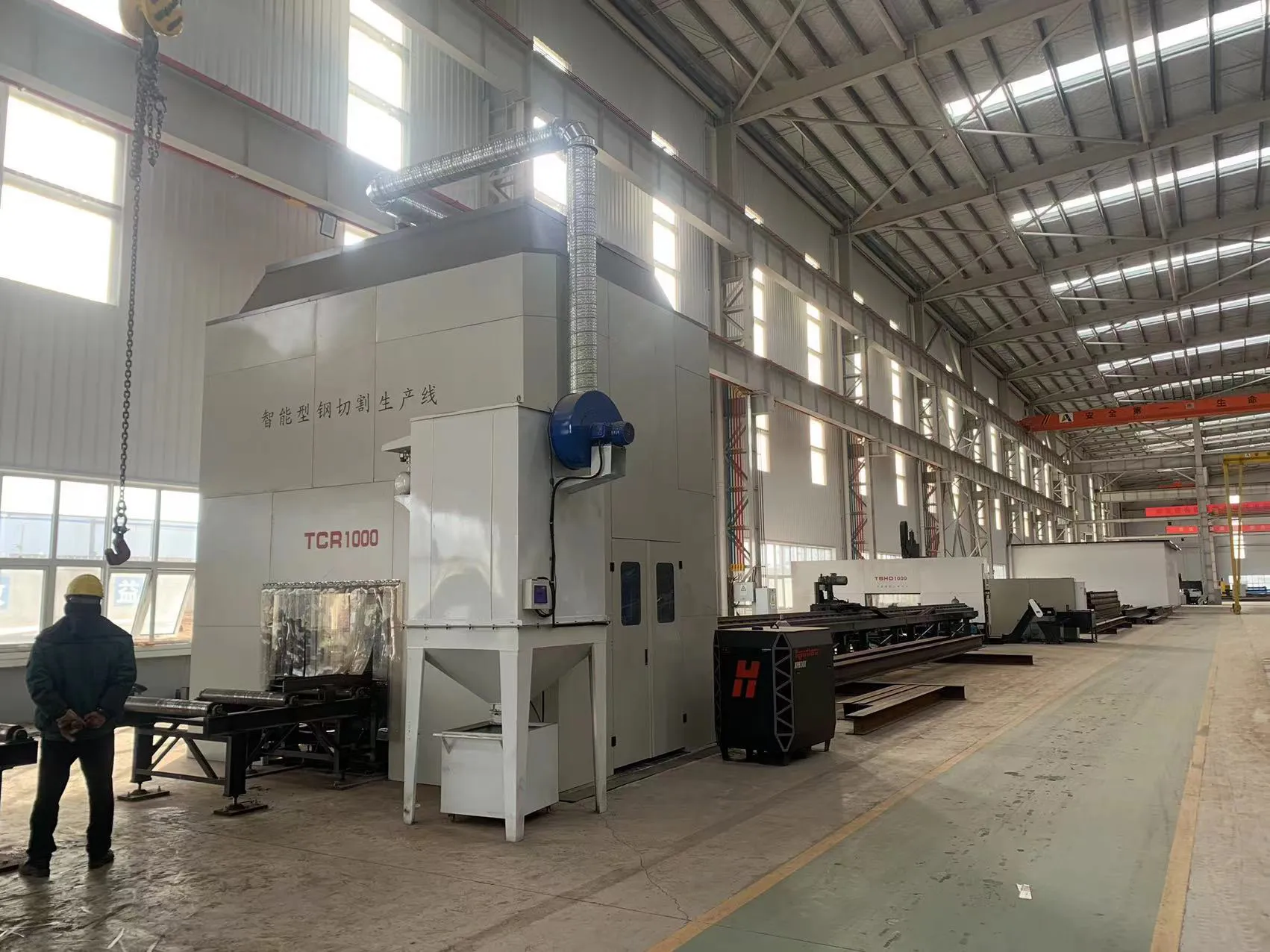 laser cutting machine” style=”width:100%; max-width:800px; height:auto; margin: 20px 0;”>
Technical Dynamics of 40kW Power Density
The core advantage of a 40kW system lies in its power density. In laser cutting, the goal is to deliver enough energy to the material’s surface to reach its vaporization point almost instantaneously. Aluminum, known for its high thermal conductivity and high reflectivity, has historically been a difficult material for fiber lasers. However, at 40kW, the photon density is so high that the initial “coupling” phase—where the beam first penetrates the surface—happens in a fraction of a millisecond, minimizing the energy reflected back into the cutting head.
This power level allows for a significantly smaller Heat-Affected Zone (HAZ). Because the laser moves at much higher velocities (often exceeding 50m/min on medium-thickness sheets), the heat does not have time to dissipate into the surrounding material. For Guadalajara’s aerospace components, this means maintaining the structural integrity and tempered properties of specialized aluminum alloys like 6061-T6 or 7075.
Processing Aluminum Alloys: The Guadalajara Context
Aluminum is the backbone of modern lightweight manufacturing. In the Guadalajara metropolitan area, industries ranging from telecommunications to automotive parts rely heavily on 5000 and 6000 series aluminum. Processing these materials at 40kW requires a deep understanding of metallurgy and laser physics.
Overcoming Material Reflectivity
One of the primary concerns for engineers in the Jalisco region is the protection of the laser source. Aluminum acts as a mirror to infrared light. In older 4kW or 6kW systems, back-reflection could cause catastrophic damage to the fiber cable or the resonator. Modern 40kW machines are equipped with advanced back-reflection isolation systems. Furthermore, the sheer power of 40kW ensures that the beam “breaks” the surface reflectivity immediately, establishing a stable keyhole for the laser cutting process to continue without interruption.
Optimizing Cutting Speeds for 5000 and 6000 Series
The 5000 series (Al-Mg) and 6000 series (Al-Mg-Si) respond differently to high-power lasers. The 40kW source allows for “lightning-fast” processing of 3mm to 10mm aluminum, often reaching speeds where the mechanical movement of the gantry becomes the limiting factor rather than the laser’s ability to melt the metal. For thicknesses exceeding 25mm, the 40kW laser provides a clean, square edge that eliminates the need for secondary milling or grinding—a major cost saver for Guadalajara’s busy machine shops.

Assist Gas Selection and Fluid Dynamics
In 40kW laser cutting, the assist gas is just as critical as the laser beam itself. For aluminum, the choice of gas determines the weldability and aesthetic quality of the finished edge. Given Guadalajara’s altitude (approximately 1,500 meters above sea level), atmospheric pressure and air density play subtle but measurable roles in gas dynamics and cooling.
Nitrogen Cutting for Oxide-Free Edges
For most high-end applications in the region, high-pressure Nitrogen is the preferred assist gas. Nitrogen acts as a mechanical force to eject the molten aluminum from the kerf without allowing it to react with oxygen. This results in a bright, silver edge that is ready for immediate welding. At 40kW, the volume of Nitrogen required is substantial; therefore, many facilities in Zapopan and El Salto are moving toward bulk liquid nitrogen tanks or high-capacity nitrogen generators to sustain continuous 24/7 operations.
The Rise of Clean Air Cutting
With the extreme power of 40kW, “Air Cutting” has become a viable and highly economical alternative for certain aluminum grades. By using compressed air (properly filtered and dried) at pressures of 15-20 bar, fabricators can achieve incredible speeds. While the edge may have a slight oxide layer, for many structural components in the construction or solar energy sectors—both booming in Mexico—the trade-off between speed and edge finish is highly favorable.
Infrastructure and Environmental Factors in Jalisco
Operating a 40kW laser in Guadalajara presents specific environmental challenges that engineers must address to ensure machine longevity and precision.
Managing Heat and Humidity
Guadalajara experiences a distinct rainy season with high humidity, followed by very dry, dusty periods. A 40kW laser generates an immense amount of heat, requiring a high-capacity industrial chiller. The chiller must be able to maintain a constant temperature for the optics and the laser source within a narrow margin (usually ±0.5°C). In the high-temperature months of April and May, the cooling system’s efficiency is tested. Engineers must ensure that the electrical infrastructure can handle both the laser’s draw and the chiller’s peak loads without voltage drops, which are not uncommon in some industrial zones.
Dust Extraction and Filtration
Cutting aluminum produces fine particulate matter and aluminum oxide dust, which is not only a respiratory hazard but also potentially explosive in high concentrations. A 40kW system cuts material so quickly that the volume of dust produced per hour is significantly higher than that of lower-power machines. Robust dust extraction systems with spark arrestors are mandatory for any Guadalajara-based facility to comply with Mexican STPS (Secretaría del Trabajo y Previsión Social) safety standards.
Economic Impact and Return on Investment (ROI)
The capital expenditure for a 40kW laser cutting machine is substantial, but the ROI is driven by throughput. In the competitive landscape of Mexican manufacturing, the ability to do the work of three 10kW machines with a single 40kW unit reduces labor costs, floor space requirements, and energy overhead per part.
Throughput vs. Power Consumption
While a 40kW laser consumes more electricity per hour than a 20kW unit, its “energy per meter” is often lower because it completes the cut so much faster. For a Guadalajara job shop, this means the ability to take on high-volume contracts from the automotive sector that were previously outsourced to the United States or China. The machine’s ability to handle plate up to 100mm thick also opens doors to heavy industrial sectors, such as mold making and large-scale infrastructure components.
Maintenance and Specialized Training
Operating at 40,000 watts leaves no room for error. The protective windows, nozzles, and ceramic rings must be inspected daily. In Guadalajara, the availability of trained technicians is growing, but specialized training for 40kW systems is essential. Local distributors are increasingly offering certification programs to ensure that operators understand the nuances of beam centering and focus spot adjustment, which are critical when the laser beam is powerful enough to damage the internal structure of the cutting head in seconds if misaligned.
Future Outlook: Guadalajara as a Laser Hub
As we look toward the future of manufacturing in Jalisco, the integration of AI-driven nesting and automated loading/unloading systems with 40kW laser cutting will be the next step. The goal is a “lights-out” manufacturing process where aluminum sheets are fed into the machine, and finished, high-precision parts are sorted by robotics.
The 40kW sheet metal laser is more than just a tool; it is a catalyst for economic growth. By mastering the complexities of aluminum alloy fabrication at these power levels, Guadalajara’s engineers are positioning the region as a global leader in high-tech manufacturing. Whether it is for the next generation of electric vehicles or aerospace components, the 40kW laser provides the speed, power, and precision to turn complex designs into reality.
Conclusion
Mastering 40kW laser cutting for aluminum alloys requires a synergy of high-end hardware, precise gas management, and an understanding of the local environmental variables in Guadalajara. For those willing to invest in the technology and the training, the rewards are found in unparalleled productivity and the ability to tackle the most demanding engineering challenges of the 21st century.













