Optimizing 3kW Tube laser cutting for Carbon Steel: A Technical Guide for Mexico City’s Industrial Sector
The industrial landscape of Mexico City (CDMX) and its surrounding metropolitan areas, such as Naucalpan, Tlalnepantla, and the Vallejo industrial zone, has undergone a significant transformation. As the demand for precision structural components in the automotive, construction, and heavy machinery sectors grows, the adoption of fiber laser technology has become a necessity. Specifically, the 3kW tube laser cutting system has emerged as the “gold standard” for processing carbon steel, offering an ideal balance between capital investment, operational cost, and high-speed throughput. This guide explores the technical nuances of operating a 3kW system, specifically tailored for the environmental and industrial conditions found in central Mexico.
The Technical Advantage of 3kW Fiber Technology
In the realm of laser cutting, power density is paramount. A 3kW fiber laser source provides a concentrated beam of light at a wavelength of approximately 1.06 microns. This wavelength is highly absorbed by carbon steel, unlike older CO2 technologies. For tube processing, the 3kW threshold is significant because it allows for high-speed processing of thin-walled tubes (1mm–3mm) while maintaining the capacity to pierce and cut structural thicknesses up to 10mm or 12mm with high edge quality.
The fiber laser’s delivery system, utilizing flexible glass fibers rather than delicate mirrors, is particularly advantageous in the seismically active and often vibration-prone industrial zones of Mexico City. The stability of the beam path ensures that the focal point remains consistent even during high-acceleration movements of the chucks and gantry, which is critical when cutting complex geometries in round, square, or rectangular carbon steel profiles.
Carbon Steel Material Dynamics and Laser Interaction
Carbon steel, ranging from low-carbon (mild steel) to high-carbon variants, is the backbone of Mexican infrastructure. When subjected to laser cutting, carbon steel relies on an exothermic reaction between the iron in the metal and the assist gas (typically Oxygen). At 3kW, the laser provides enough energy to initiate this reaction rapidly, allowing the Oxygen to “burn” through the material, which significantly increases cutting speeds compared to inert gas fusion cutting.
For operators in Mexico City, consistency in material quality is a common challenge. Local suppliers may provide steel with varying levels of surface oxidation (mill scale). The 3kW system’s power reserve allows for “power-ramping” techniques, where the laser adjusts its output dynamically to penetrate through inconsistent mill scale without losing the cut or creating excessive dross (slag). This is vital for maintaining the high-quality finish required by Tier 1 automotive suppliers in the region.
Environmental Considerations: Altitude and Power in CDMX
Operating high-precision machinery in Mexico City requires accounting for the city’s unique geography. Situated at an average altitude of 2,240 meters above sea level, the atmospheric pressure is lower than at sea level. This affects the cooling efficiency of the laser’s chiller system. At higher altitudes, air is less dense, which reduces the heat exchange capacity of air-cooled condensers. Therefore, for a 3kW tube laser cutting installation in CDMX, it is recommended to oversize the chiller or ensure it is rated for high-altitude operation to prevent thermal lensing—a phenomenon where the laser optics overheat and distort the beam.
Furthermore, the electrical grid in some older industrial sectors of the city can experience voltage fluctuations. A 3kW fiber laser requires a stable power supply to protect the sensitive laser diodes. Implementing a high-capacity voltage stabilizer and an isolation transformer is a standard engineering requirement for local installations to ensure the longevity of the laser source and the CNC control system.
Assist Gas Management for Carbon Steel
The choice of assist gas is the most significant factor in the operational cost and quality of laser cutting carbon steel. For a 3kW system, Oxygen (O2) is the primary choice for thicknesses above 2mm. The purity of the Oxygen is critical; using 99.95% purity or higher will result in a cleaner, faster cut with a smooth, oxidized edge that is ready for welding.
However, for thinner carbon steel tubes (under 1.5mm), many workshops in Mexico are shifting toward high-pressure Air or Nitrogen cutting. While Nitrogen prevents oxidation (leaving a shiny edge), it requires much higher pressures and more laser power to “push” the molten metal out of the kerf. A 3kW laser has sufficient power to utilize Nitrogen on thin-walled tubes, which eliminates the need for secondary cleaning processes before painting or powder coating—a major bottleneck in high-volume production lines.

Mechanical Precision: Chucks and Tube Handling
Tube laser cutting differs from flatbed cutting due to the mechanical complexity of rotating the workpiece. A 3kW machine typically features dual or triple pneumatic chucks. In the context of carbon steel—which is heavy and often comes in 6-meter or 9-meter lengths—the mechanical rigidity of the machine bed is essential. The vibration damping characteristics of a heavy-duty welded frame or a cast-iron bed are necessary to maintain tolerances of ±0.1mm.
In Mexico City’s competitive market, “dead zone” reduction is a key metric. High-end 3kW tube lasers now utilize moving chuck systems that allow the laser head to cut closer to the end of the tube, reducing material waste. Given the rising cost of raw steel in the North American market, saving even 50mm of material per tube can result in significant annual savings for high-volume manufacturers.
Software, Nesting, and Industry 4.0
The hardware of a 3kW laser is only as effective as the software controlling it. Advanced nesting software (such as CypTube or Lantek) is used to optimize the layout of parts on a single tube. For carbon steel processing, “Common Line Cutting” is a valuable technique where two parts share a single cut line, reducing the total cutting time and gas consumption.
Integration with local ERP systems is also becoming a trend in Mexico City’s “Smart Factories.” By monitoring the 3kW laser’s performance metrics—such as power consumption, gas usage, and cutting hours—engineers can implement predictive maintenance schedules. This reduces unplanned downtime, which is particularly costly in the fast-paced “Just-in-Time” (JIT) manufacturing cycles common in the Mexican automotive supply chain.
Piercing Strategies for Thick-Walled Carbon Steel
When cutting carbon steel tubes with wall thicknesses exceeding 6mm, the piercing stage becomes the most critical part of the cycle. A 3kW laser utilizes multi-stage piercing to prevent “blowouts” and protect the nozzle from back-spatter.
- Stage 1: High-frequency, low-duty cycle pulses to create a pilot hole.
- Stage 2: Gradual increase in power and gas pressure to enlarge the hole.
- Stage 3: Transition to steady-state cutting parameters.
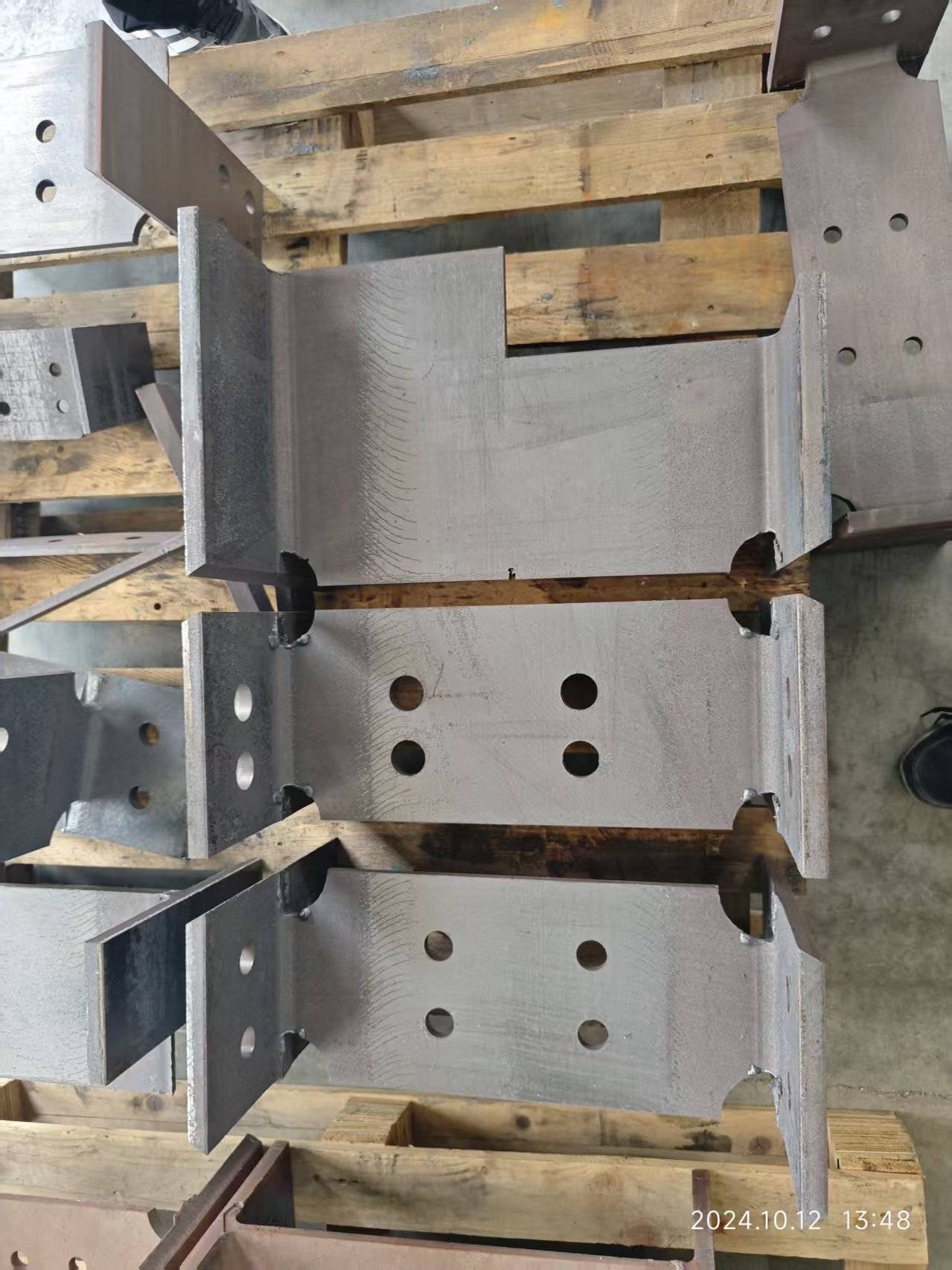
By mastering these piercing parameters, operators can achieve high-precision holes even in heavy-duty square tubing used for structural frames, ensuring that bolt holes and interlocking tabs fit perfectly during assembly.
Maintenance Protocols for the CDMX Environment
The dust and particulate matter in Mexico City’s industrial atmosphere can be detrimental to laser optics. A 3kW tube laser cutting system must be housed in a controlled environment if possible, or at the very least, equipped with a high-efficiency dust extraction and filtration system. The protective windows (cover glass) of the laser head should be inspected daily. Even a microscopic speck of carbon steel dust can absorb the 3kW beam’s energy, causing the glass to shatter and potentially damaging the internal collimating lenses.
Regular maintenance of the chiller’s deionized water and the lubrication of the linear guides and rack-and-pinion systems will ensure the machine maintains its accuracy over a 10-year lifespan. For companies operating in Mexico, sourcing local technical support and spare parts (such as nozzles, ceramics, and filters) is vital to minimize lead times.
Economic Impact and ROI
Investing in a 3kW tube laser cutting machine offers a rapid Return on Investment (ROI) for Mexican workshops currently relying on manual sawing, drilling, or plasma cutting. The speed of a 3kW fiber laser on 3mm carbon steel is roughly 3 to 5 times faster than a CO2 laser and infinitely more precise than manual methods. By consolidating multiple fabrication steps into a single laser process, companies can reduce labor costs and eliminate the need for expensive jigs and fixtures.
In conclusion, the 3kW tube laser represents the pinnacle of efficiency for carbon steel fabrication in Mexico City. By understanding the interplay between laser power, material science, and the local environmental conditions, manufacturers can unlock new levels of productivity. As the “Nearshoring” trend continues to bring more manufacturing back to North America, having the capability to produce high-precision, laser-cut steel components will be the primary differentiator for successful engineering firms in Mexico.