Introduction to 3kW laser cutting in Monterrey’s Industrial Sector
Monterrey, Nuevo León, stands as the industrial capital of Mexico, a hub where the metal-mechanic, automotive, and appliance industries converge. Within this high-demand environment, the 3kW fiber laser cutting machine has emerged as the definitive workhorse for local manufacturers. The 3kW power rating represents a strategic “sweet spot” in modern fabrication, offering a perfect balance between capital investment and high-performance throughput, particularly when processing carbon steel—the backbone of the region’s construction and manufacturing sectors.
As global supply chains shift toward nearshoring, Monterrey’s fabrication shops are under increasing pressure to deliver precision components with shorter lead times. Utilizing a 3kW fiber laser cutting system allows shops in industrial zones like Apodaca, Santa Catarina, and Guadalupe to handle varying gauges of carbon steel with unmatched repeatability. This guide explores the technical nuances, operational strategies, and environmental considerations for optimizing 3kW laser cutting operations specifically for carbon steel within the unique industrial climate of Monterrey.
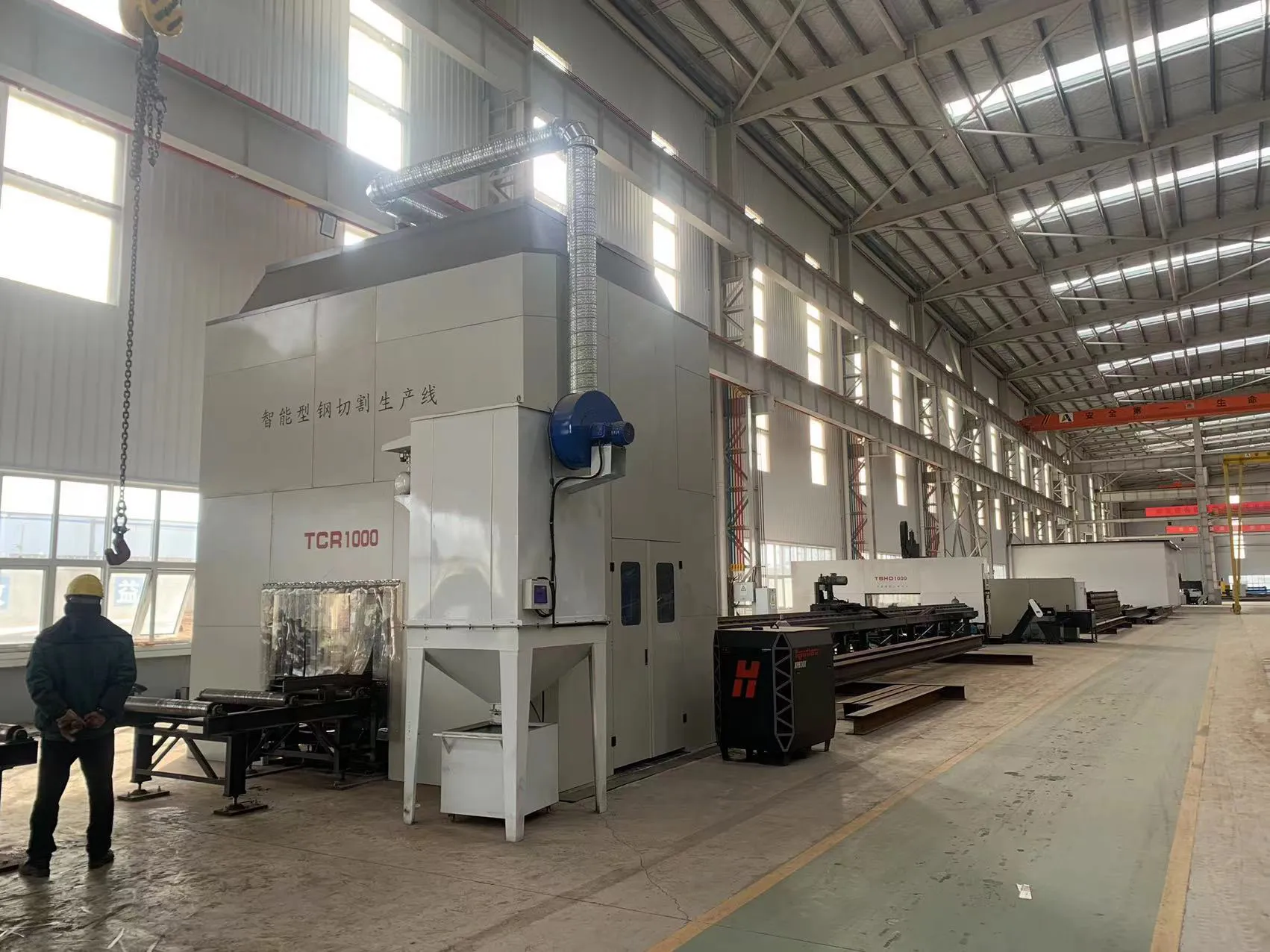
Technical Specifications and Performance Metrics
The Efficiency of the 3kW Fiber Source
The transition from CO2 to fiber technology has revolutionized laser cutting. A 3kW fiber laser operates at a wavelength of approximately 1.06 microns, which is absorbed much more efficiently by carbon steel than the 10.6 microns of a CO2 laser. This increased absorption rate translates directly into higher cutting speeds on thin to medium-gauge materials. For a 3kW system, the optimal thickness range for carbon steel typically spans from 0.5mm to 20mm, with the highest quality and speed efficiency found in the 3mm to 12mm range.
Cutting Speeds and Material Thickness
In a production environment, speed is the primary driver of profitability. When processing ASTM A36 or 1018 carbon steel—grades commonly sourced from local Monterrey suppliers like Ternium—a 3kW laser cutting head can achieve speeds of approximately 8-10 meters per minute on 1mm sheet. As the thickness increases to 6mm (1/4 inch), the speed stabilizes around 1.8 to 2.2 meters per minute using oxygen as an assist gas. Understanding these benchmarks is critical for local engineers when estimating job costs and machine capacity in a competitive market.
Carbon Steel Dynamics: Metallurgy and Laser Interaction
Thermal Conductivity and the Heat-Affected Zone (HAZ)
Carbon steel is an alloy of iron and carbon, and its thermal properties make it ideal for laser cutting. However, the 3kW power level requires precise control over heat input. Excessive heat can lead to a wider heat-affected zone (HAZ), which may alter the mechanical properties of the edge, making it brittle or difficult to weld in subsequent assembly stages. Professional laser cutting operators in Monterrey must calibrate the pulse frequency and duty cycle to ensure that the energy is concentrated enough to vaporize the metal without causing excessive thermal bleed into the surrounding material.
Assist Gas Selection: Oxygen vs. Nitrogen
The choice of assist gas is a pivotal decision in the laser cutting process. For carbon steel, oxygen is the traditional choice. The oxygen reacts exothermically with the molten iron, adding thermal energy to the cut and allowing for thicker plate penetration at 3kW. However, this leaves a thin layer of iron oxide on the cut edge. For industries in Monterrey that require immediate powder coating or high-spec welding, nitrogen is often used as a “high-pressure” assist gas. While nitrogen requires more power and is generally limited to thinner sheets (up to 4mm or 6mm at 3kW), it produces a clean, oxide-free edge that eliminates the need for secondary cleaning processes.
Operational Excellence in Monterrey’s Climate
Managing Ambient Temperature and Humidity
Monterrey is known for its extreme climate, with summer temperatures often exceeding 40°C and fluctuating humidity levels. For a 3kW fiber laser, the cooling system (chiller) is the most critical peripheral component. Fiber laser sources and cutting heads are highly sensitive to temperature fluctuations. A robust dual-circuit chiller is mandatory to maintain the resonator and the optics at a stable 22-25°C. Operators must ensure that the chiller’s capacity is rated for Monterrey’s peak ambient temperatures to prevent “thermal lensing” or automatic shutdowns during the hottest parts of the shift.
Power Grid Stability and Voltage Regulation
The industrial power grid in certain sectors of Nuevo León can experience voltage spikes or sags, particularly during peak industrial hours. A 3kW laser cutting system requires a stable power supply to protect its sensitive electronics and the laser source itself. Implementing a high-capacity industrial voltage stabilizer and a dedicated grounding system is a standard engineering requirement for any installation in the region. This prevents costly downtime and extends the lifespan of the fiber modules.
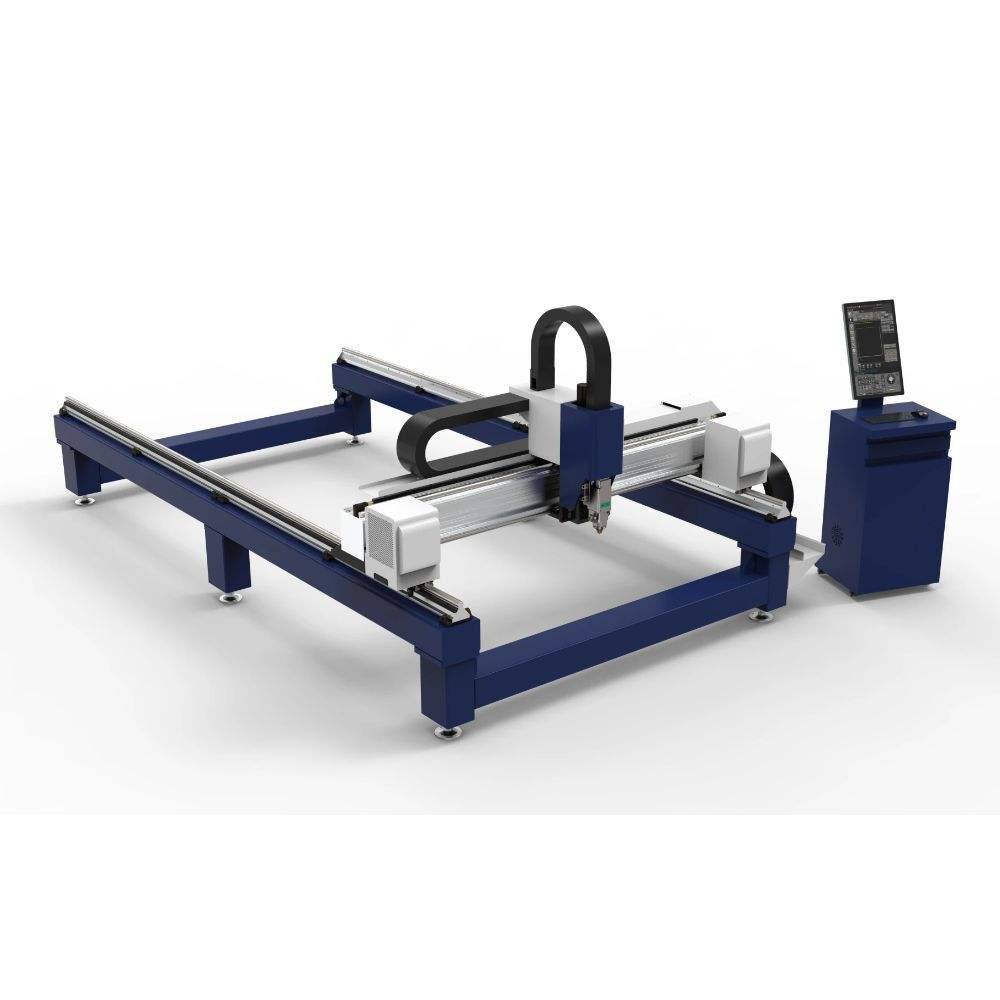
Optimizing the Cutting Process for Local Steel Grades
Surface Quality and Scale Management
The quality of carbon steel can vary significantly. Hot-rolled steel often carries a layer of mill scale, which can interfere with the laser cutting beam’s consistency, leading to “splatter” or incomplete cuts. In Monterrey’s high-volume shops, it is common practice to use “pickled and oiled” (P&O) steel for parts requiring high aesthetic quality. If using standard hot-rolled A36, the 3kW laser’s “piercing” parameters must be adjusted. A multi-stage piercing strategy—starting with low power and high frequency and transitioning to the main cutting parameters—ensures a clean entry point and reduces nozzle damage.
Nozzle Selection and Centering
For carbon steel, nozzle geometry is vital. A 3kW system typically utilizes double-layer nozzles for oxygen cutting, which helps stabilize the gas flow and protect the lens from back-splatter. Engineering teams should enforce a strict protocol for nozzle centering. Even a minor misalignment can cause the laser cutting beam to clip the side of the nozzle, resulting in an asymmetrical kerf and poor edge quality on one side of the part. In the fast-paced Monterrey manufacturing environment, automated nozzle cleaning and calibration stations are highly recommended to maintain 24/7 productivity.
Maintenance Protocols for High-Utilization Environments
Optical Path Integrity
The 3kW fiber laser delivers its energy through a flexible fiber optic cable to the cutting head. While the path is sealed, the protective window (cover glass) is a consumable that requires daily inspection. In the dusty environments of many Monterrey industrial parks, fine metallic dust can settle on the optics during sheet loading. If a 3kW beam hits a speck of dust on the lens, it can cause a “burn-in” that destroys the lens and potentially damages the cutting head. Using a clean-room approach for lens changes is a non-negotiable standard for professional operations.
The Importance of Gas Purity
Using low-purity oxygen or nitrogen is a common mistake that leads to inconsistent results. For 3kW laser cutting of carbon steel, oxygen purity should be at least 99.95%. Impurities in the gas line can cause “blackening” of the cut edge or inconsistent dross (burr) formation at the bottom of the plate. Local gas suppliers in Monterrey provide various grades; engineers must specify “Laser Grade” gases to ensure the machine operates at its theoretical maximum efficiency.
Economic Impact and ROI for Monterrey Fabricators
Throughput vs. Operational Cost
A 3kW laser cutting machine offers a rapid Return on Investment (ROI) compared to lower-power units or older plasma systems. While a 1kW laser might struggle with 12mm carbon steel, and a 6kW laser might be overkill for a shop primarily doing 3mm brackets, the 3kW unit provides the versatility needed for the diverse Monterrey market. By reducing the cost-per-part through faster cycle times and lower gas consumption per meter, local shops can compete more effectively for contracts with major OEMs like Kia, Tesla (Giga Mexico), and Carrier.
Software Integration and Nesting
To truly leverage the speed of a 3kW laser, advanced nesting software is required. Efficient nesting reduces material waste—a significant factor given the rising costs of carbon steel. In Monterrey, where “Just-In-Time” (JIT) manufacturing is the norm for the automotive supply chain, the ability to quickly transition between different thicknesses of carbon steel on the same machine bed is a major competitive advantage. Modern CAD/CAM systems integrated with the 3kW laser allow for “common line cutting” and “fly cutting,” further pushing the boundaries of what is possible with laser cutting technology.
Conclusion: The Future of Metal Fabrication in Nuevo León
The 3kW sheet metal laser has redefined the capabilities of the Monterrey manufacturing sector. By mastering the technical requirements of carbon steel processing—from assist gas dynamics to climate-specific maintenance—local engineers are setting new standards for precision and efficiency. As the region continues to grow as a global industrial powerhouse, the 3kW fiber laser will remain a cornerstone of the production floor, providing the reliability and versatility needed to transform raw carbon steel into the components that drive the modern world. Investing in high-quality laser cutting equipment, supported by rigorous engineering standards, is not just an operational choice; it is a strategic necessity for any fabricator looking to thrive in the heart of Mexico’s industrial corridor.













