The Rise of Fiber laser cutting in Toluca’s Industrial Sector
In the heart of Mexico’s manufacturing landscape, Toluca has emerged as a critical hub for automotive, aerospace, and electronics production. As global supply chains shift toward nearshoring, the demand for high-precision fabrication has skyrocketed. At the center of this technological evolution is the 3kW fiber laser cutting system. Specifically designed for sheet metal processing, the 3kW power rating represents a “sweet spot” for many manufacturers in the Toluca-Lerma industrial corridor, offering a perfect balance between capital investment and high-speed production capability.
The transition from CO2 lasers to fiber laser technology has revolutionized how aluminum alloys are handled. For years, aluminum was considered a “difficult” material due to its high reflectivity and thermal conductivity. However, the 1.06-micron wavelength of a fiber laser is absorbed much more efficiently by non-ferrous metals than the 10.6-micron wavelength of older CO2 systems. This efficiency is what allows a 3kW system to slice through aluminum alloys with unprecedented speed and edge quality, making it an indispensable tool for the modern Mexican workshop.
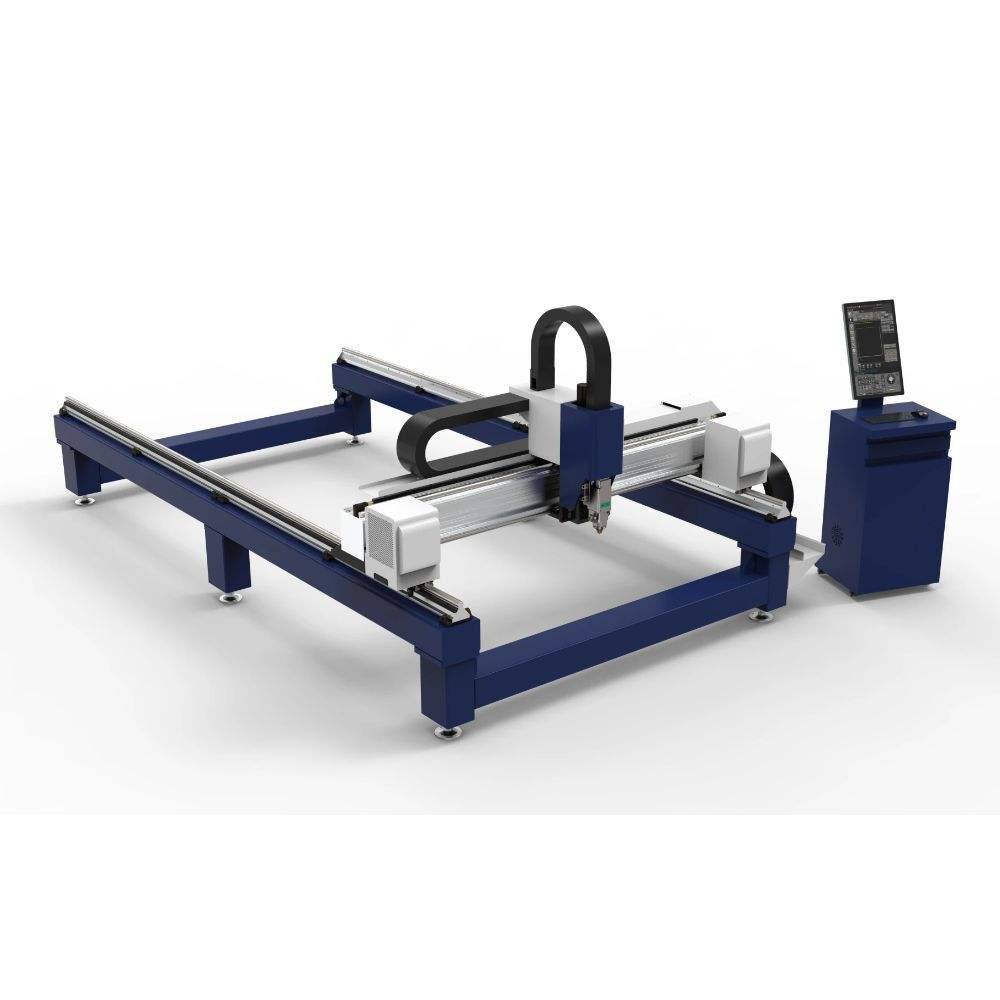
 laser cutting machine” style=”width: 100%; max-width: 800px; height: auto; margin: 20px 0;”>
Technical Dynamics of 3kW Fiber Lasers on Aluminum Alloys
When discussing laser cutting in the context of aluminum, we must look at the specific series used in Toluca’s industries. The 5000 series (magnesium-alloyed) and 6000 series (silicon and magnesium-alloyed) are the most common. A 3kW fiber laser is exceptionally well-suited for these materials, typically handling thicknesses from 1mm up to 10mm or 12mm with high precision. While higher wattage machines exist, the 3kW unit provides the necessary power density to overcome the initial reflectivity of the aluminum surface without the excessive energy costs associated with 6kW or 10kW systems.
The physics of the process involve the laser beam melting the material while a high-pressure assist gas—usually nitrogen—blows the molten metal out of the kerf. In Toluca’s high-altitude environment (approximately 2,600 meters above sea level), atmospheric pressure and oxygen levels can slightly influence the behavior of cooling systems and gas dynamics. Professional engineers must calibrate their 3kW systems to account for these variables, ensuring that the beam focus remains stable during long production runs of aluminum components.
Optimizing the Laser Cutting Process for Aluminum
Aluminum’s high thermal conductivity means that heat dissipates quickly from the cut zone into the surrounding material. This can lead to warping or “dross” (hardened melt) on the underside of the sheet if the parameters are not perfectly tuned. To achieve a burr-free finish, the 3kW laser cutting process relies on several critical factors: nozzle selection, focal position, and gas pressure.
The Role of Assist Gases: Nitrogen vs. Oxygen
For aluminum alloy fabrication, nitrogen is the preferred assist gas. It acts as a shielding agent, preventing oxidation of the cut edge. This results in a clean, shiny finish that is ready for welding or painting without secondary cleaning. When using a 3kW laser, the nitrogen pressure must be maintained at a high level (often between 12 and 18 bar) to ensure the rapid expulsion of the melt. While oxygen can be used for thicker sections to add exothermic energy, it often leaves a rougher, oxidized surface that is detrimental to the aesthetic and structural requirements of Toluca’s automotive parts suppliers.
Focal Point and Nozzle Calibration
In 3kW laser cutting, the focal point for aluminum is typically set “negative,” meaning it is positioned below the surface of the material. This allows the beam to create a wider kerf at the bottom, facilitating the removal of the viscous aluminum melt. Double-layered nozzles are frequently employed to stabilize the gas flow, reducing turbulence that could cause striations on the cut edge. In Toluca’s competitive market, the ability to produce a “mirror finish” on a 5mm aluminum plate can be the difference between winning a contract and losing it to a competitor.
Strategic Implementation in Toluca’s Industrial Corridor
Toluca is home to some of the largest automotive assembly plants in North America. These facilities require a constant stream of brackets, heat shields, and structural reinforcements made from aluminum alloys. A 3kW sheet metal laser provides the versatility needed to switch between thin-gauge aluminum for heat shields and thicker plates for chassis components. The integration of CNC software allows local shops to nest parts efficiently, reducing material waste—a critical factor given the fluctuating price of aluminum in the global market.
Automation and Throughput
To maximize the ROI of a 3kW laser cutting investment, many Toluca-based firms are looking toward automation. Shuttles tables, which allow for loading and unloading while the machine is cutting, are standard. However, the real advantage comes from the integration of CAD/CAM software that can automatically adjust feed rates based on the complexity of the geometry. For instance, when cutting tight radii in 6061 aluminum, the machine must decelerate to maintain precision, then accelerate on straightaways to maximize throughput. A 3kW source provides enough “headroom” to maintain high speeds even on complex 3mm aluminum patterns.
Environmental Considerations: Altitude and Cooling
Operating a 3kW laser in Toluca presents unique environmental challenges. The higher altitude means lower air density, which can affect the efficiency of air-cooled chillers. Engineers must ensure that the laser source and the cutting head are kept at a constant temperature to prevent “thermal drift”—a phenomenon where the focal point shifts as the optics heat up. Using high-quality deionized water and robust industrial chillers is non-negotiable for maintaining the ±0.05mm tolerances required by aerospace clients in the region.
Maintenance and Longevity of 3kW Systems
The longevity of a fiber laser is one of its primary selling points, with many sources rated for 100,000 hours of operation. However, the “dirty” environment of a metal fabrication shop in an industrial zone like Toluca requires a disciplined maintenance schedule. Aluminum dust is particularly hazardous; it is conductive and highly flammable. Effective dust extraction and filtration systems are essential to protect both the machine’s electronics and the health of the operators.
Optical Integrity
The protective windows in the laser cutting head are the most frequently replaced consumables. When cutting aluminum, the risk of “back-reflection” or “spatter” is higher. Even with the advanced back-reflection protection built into modern 3kW fiber sources, a contaminated protective window can lead to beam distortion or even damage to the fiber cable. Daily inspections of the optics and the use of high-purity gases are the best defenses against unplanned downtime.
Software and Control Systems
The “brain” of the 3kW laser is its CNC controller. For manufacturers in Toluca, using controllers that support industry 4.0 standards is becoming a requirement. This allows for remote monitoring of machine status, gas consumption, and energy usage. As energy costs in Mexico continue to be a significant overhead, the ability of a 3kW fiber laser to operate at 30-40% wall-plug efficiency (compared to 10% for CO2) provides a massive competitive advantage in the local market.
Conclusion: The Future of Aluminum Fabrication in Mexico
The 3kW sheet metal laser has proven itself to be the workhorse of the aluminum fabrication industry in Toluca. By providing the power necessary to handle common alloy thicknesses with the precision required by high-tech sectors, it has enabled local manufacturers to move up the value chain. As the automotive industry shifts toward electric vehicles (EVs), the demand for lightweight aluminum components will only increase. Facilities that master the nuances of 3kW laser cutting—from gas dynamics to altitude-compensated cooling—will be well-positioned to lead the next generation of Mexican manufacturing.
Investing in this technology is not just about buying a machine; it is about adopting a process that prioritizes speed, accuracy, and material efficiency. For the engineers and business owners in Toluca, the 3kW fiber laser is the key to unlocking new levels of productivity in the competitive world of aluminum alloy fabrication.













