Introduction to 3kW Precision Laser Systems in Monterrey’s Industrial Sector
Monterrey has long been recognized as the industrial heart of Mexico, serving as a critical hub for automotive, aerospace, and food processing industries. In this high-stakes manufacturing environment, the demand for precision, speed, and material integrity is paramount. The 3kW precision laser system has emerged as the gold standard for mid-range metal fabrication, particularly when working with stainless steel. This guide explores the technical nuances, operational advantages, and strategic implementation of 3kW fiber laser technology within the Monterrey industrial landscape.
The transition from traditional CO2 lasers to fiber laser technology has revolutionized the way local fabricators approach laser cutting. A 3kW system offers a unique balance of power density and energy efficiency, making it ideal for the high-quality finishes required by Monterrey’s export-oriented manufacturing base. Whether producing components for medical devices or large-scale kitchen equipment, understanding the mechanics of this technology is essential for maintaining a competitive edge in the global market.
The Technical Architecture of the 3kW Fiber Laser
Fiber Laser Oscillator and Wavelength
At the core of the 3kW system is the fiber laser oscillator. Unlike CO2 lasers that use a gas mixture and mirrors, fiber lasers generate the beam within an optical fiber doped with rare-earth elements like ytterbium. The resulting beam has a wavelength of approximately 1.06 microns. This specific wavelength is highly absorbed by metals, especially stainless steel, allowing for a much higher energy transfer efficiency compared to the 10.6-micron wavelength of CO2 lasers.
Beam Quality and Power Density
Precision in laser cutting is defined by the beam’s focusability, often measured by the M2 factor. A 3kW precision system is engineered to maintain a low M2 factor, ensuring that the laser energy is concentrated into an incredibly small spot size. In Monterrey’s precision workshops, this translates to narrower kerf widths and a significantly reduced heat-affected zone (HAZ). For stainless steel, minimizing the HAZ is critical to preserving the material’s anti-corrosive properties and structural integrity.

Optimizing Stainless Steel Fabrication in Monterrey
Material Grades and Cutting Performance
Stainless steel grades such as 304 and 316 are ubiquitous in Monterrey’s food and pharmaceutical sectors. A 3kW laser system is optimized for these materials, typically handling thicknesses from 0.5mm up to 12mm with extreme precision. While the machine can cut thicker plates, the “sweet spot” for high-speed, burr-free production lies within the 1mm to 8mm range. In this bracket, the 3kW system outpaces lower-wattage machines while offering better edge quality than higher-wattage systems that might introduce excess heat.
The Role of Assist Gases: Nitrogen vs. Oxygen
In Monterrey’s climate, where humidity can vary, the choice of assist gas is a critical engineering decision. For stainless steel, Nitrogen is the preferred assist gas. It acts as a shielding agent, blowing away the molten metal before it can react with oxygen in the atmosphere. This results in a “bright cut” or oxide-free edge, which is essential for components that require subsequent welding or aesthetic finishing. Oxygen may be used for thicker sections to leverage the exothermic reaction, but it leaves a dark, oxidized edge that must be cleaned, adding to the labor costs.
Advanced CNC Integration and Nesting Software
Real-Time Control and Monitoring
Modern 3kW systems used in Monterrey are equipped with advanced CNC controllers that manage every aspect of the laser cutting process. These systems utilize closed-loop feedback to adjust laser power, gas pressure, and feed rates in real-time. For precision stainless steel work, “pierce sensing” and “plasma detection” technologies ensure that the machine detects any anomalies during the initial entry, preventing material waste and protecting the cutting head from back-reflections.
Maximizing Material Utilization
Given the high cost of stainless steel alloys, maximizing sheet utilization is a priority for Monterrey fabricators. Sophisticated nesting software integrates directly with the laser system, allowing engineers to arrange parts in a way that minimizes scrap. Features like common-line cutting—where two parts share a single cut path—further increase efficiency and reduce the total time the laser is active, extending the lifespan of consumables like nozzles and protective windows.
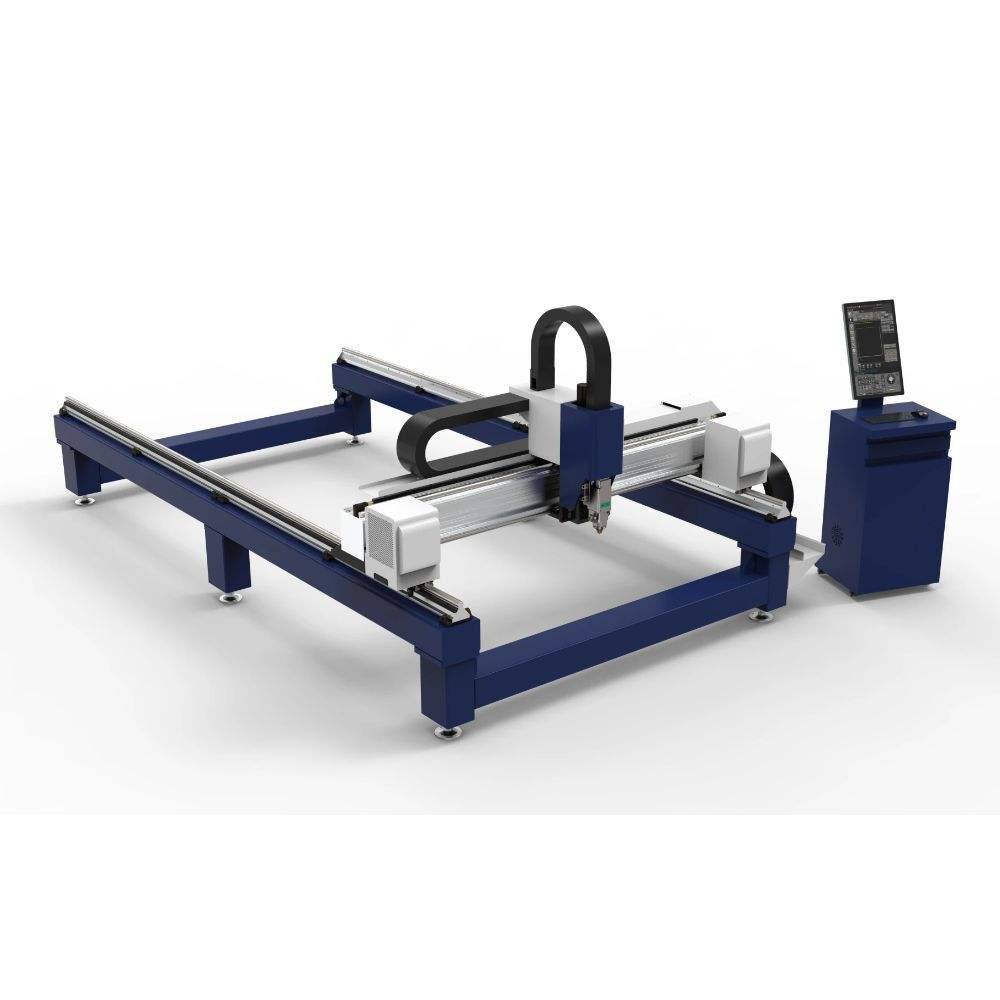
Environmental and Operational Considerations in Monterrey
Cooling Systems and Thermal Stability
Monterrey’s high ambient temperatures during the summer months pose a challenge for high-power laser electronics. A 3kW precision system requires a robust dual-circuit water chiller. One circuit cools the laser source, while the other maintains the temperature of the cutting head optics. Maintaining thermal stability is non-negotiable for precision; even slight fluctuations in temperature can cause the focal point to shift, resulting in inconsistent cut quality across a large stainless steel sheet.
Power Stability and Electrical Infrastructure
The industrial parks in Monterrey, such as those in Apodaca or Santa Catarina, generally provide stable power, but precision laser cutting equipment still requires voltage regulation. A 3kW fiber laser is highly sensitive to voltage spikes or drops. Engineering teams must ensure that the system is backed by an industrial-grade stabilizer and that the grounding is executed according to the manufacturer’s strict specifications to prevent electromagnetic interference with the CNC sensors.
Maintenance Protocols for High-Precision Output
Optical Path Integrity
While fiber lasers eliminate the need for the complex mirror alignments found in older systems, the cutting head remains a precision instrument. In the dusty environments common to industrial zones, maintaining the cleanliness of the protective window is the most frequent maintenance task. A single speck of dust can absorb laser energy, heat up, and shatter the lens, leading to costly downtime. Monterrey facilities often implement “clean room” protocols for any maintenance involving the internal optics of the cutting head.
Nozzle Calibration and Centering
To achieve the precision required for high-grade stainless steel, the nozzle must be perfectly centered with the laser beam. Automated nozzle cleaning and calibration stations are standard features on high-end 3kW machines. These systems periodically check the nozzle for slag buildup and re-center the beam, ensuring that the assist gas flow is perfectly concentric with the laser. This is vital for maintaining verticality in the cut edge and preventing dross formation on the underside of the workpiece.
Economic Impact and ROI for Monterrey Fabricators
Throughput and Competitive Pricing
The primary economic driver for adopting a 3kW system in Monterrey is throughput. Compared to a 1kW or 2kW system, the 3kW variant can cut 3mm stainless steel significantly faster. This increased speed reduces the “cost per part,” allowing local shops to bid more competitively on large-scale contracts. Furthermore, the energy efficiency of fiber technology—often exceeding 30% wall-plug efficiency—results in lower utility bills compared to CO2 alternatives.
Market Versatility
A precision 3kW laser is not limited to flat sheets. Many systems in Monterrey are configured with rotary attachments for laser cutting stainless steel tubes and profiles. This versatility allows a single shop to service the automotive exhaust market and the architectural hardware market simultaneously. By diversifying the types of stainless steel projects they can handle, Monterrey fabricators can better weather fluctuations in specific industrial sectors.
Conclusion: The Future of Laser Fabrication in Monterrey
The integration of 3kW precision laser systems has set a new benchmark for the metalworking industry in Monterrey. By combining the inherent advantages of fiber laser technology with rigorous engineering practices and local expertise, fabricators are producing stainless steel components that meet the highest international standards. As the region continues to attract high-tech manufacturing investment, the role of precision laser cutting will only grow, driven by the need for ever-tighter tolerances and more efficient production cycles.
For engineers and business owners in Monterrey, investing in a 3kW system is not merely an equipment upgrade; it is a strategic commitment to quality and operational excellence. By mastering the variables of beam quality, assist gas dynamics, and thermal management, Monterrey’s industrial sector is well-positioned to remain a leader in the global stainless steel fabrication market for decades to come.













