The Industrial Evolution of Queretaro: Precision laser cutting in Modern Manufacturing
Queretaro has established itself as the beating heart of Mexico’s aerospace and automotive sectors. As the region transitions toward Industry 4.0, the demand for high-precision fabrication tools has surged. Among these technologies, the 3kW precision laser system stands out as a versatile powerhouse, particularly when processing non-ferrous alloys. For manufacturers in the Bajío region, mastering the nuances of laser cutting brass is no longer a luxury—it is a competitive necessity. This guide explores the technical architecture, operational strategies, and regional advantages of deploying 3kW fiber laser technology in Queretaro’s demanding industrial landscape.
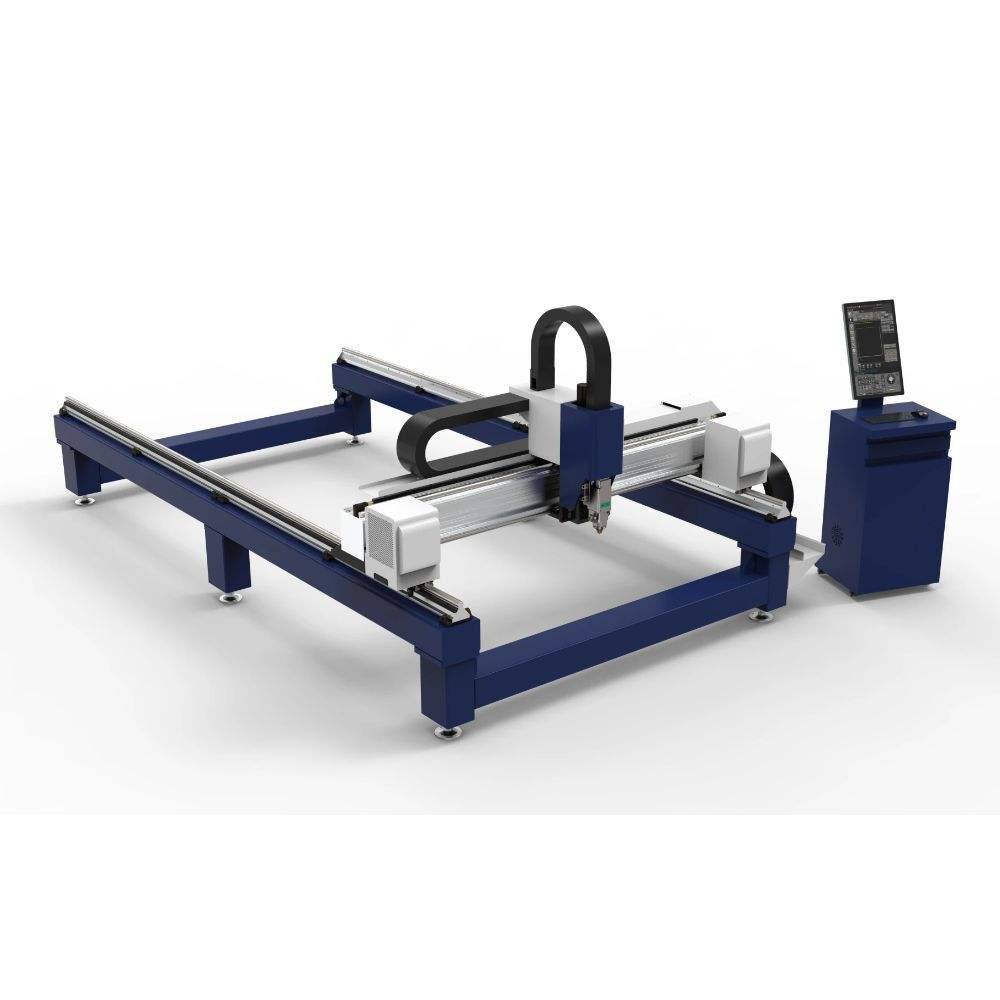
The 3kW power rating represents a “sweet spot” for medium-to-high volume production. It provides sufficient energy density to overcome the high thermal conductivity of brass while maintaining a narrow kerf width that minimizes material waste. In an environment like Queretaro, where supply chains are tightly integrated with international standards, the ability to produce burr-free, dimensionally accurate components is paramount. Whether producing electrical connectors for the automotive sector or decorative architectural elements, the 3kW fiber laser delivers a level of consistency that traditional mechanical methods cannot match.
 laser cutting machine” style=”max-width: 100%; height: auto; margin: 20px 0;”>
Technical Architecture of 3kW Fiber Laser Systems
To understand why a 3kW system is ideal for brass, one must look at the physics of the fiber laser. Unlike CO2 lasers, which operate at a wavelength of 10.6 micrometers, fiber lasers operate at approximately 1.06 micrometers. This shorter wavelength is absorbed much more efficiently by metals, particularly reflective ones like brass and copper. When a 3kW beam is focused through a high-quality optical lens, it creates a power density capable of instantaneously vaporizing the metal, allowing for high-speed laser cutting without the risk of back-reflection damaging the resonator.
The Importance of Beam Quality and Focus
In precision engineering, the Beam Parameter Product (BPP) defines how well a laser can be focused. A 3kW system designed for precision typically features a low BPP, enabling a smaller spot size. For brass fabrication in Queretaro, this means that even complex geometries—such as intricate ventilation grilles or fine-pitch electrical terminals—can be cut with minimal heat-affected zones (HAZ). The integrity of the brass alloy is preserved, ensuring that the material’s electrical conductivity and aesthetic appeal remain uncompromised.
Advanced Motion Control and CNC Integration
The mechanical structure of the machine is as critical as the laser source. High-precision systems utilize gantry structures made from aviation-grade aluminum or heavy-duty cast iron to ensure stability during high-acceleration maneuvers. In Queretaro’s high-output factories, these machines are often paired with advanced CNC controllers like CypCut or Beckhoff. These systems allow for real-time monitoring of the laser cutting process, adjusting power and gas pressure dynamically based on the geometry of the part and the thickness of the brass sheet.
The Challenge of Reflective Alloys: Processing Brass
Brass is an alloy of copper and zinc, both of which are highly reflective in their solid state. For years, this made laser cutting brass a challenge, as reflected light could travel back up the fiber cable and destroy the laser diodes. Modern 3kW systems, however, are equipped with sophisticated back-reflection isolation technology. These optical “one-way streets” protect the machine, allowing operators in Queretaro to process brass with the same confidence they have when cutting carbon steel.
Gas Selection: Nitrogen vs. Oxygen
When cutting brass, the choice of assist gas is critical. For most precision applications in the aerospace and electronics sectors of Queretaro, Nitrogen is the preferred choice. High-pressure Nitrogen acts as a mechanical force, blowing the molten brass out of the kerf before it can oxidize. This results in a clean, bright edge that requires no secondary finishing. While Oxygen can be used to increase cutting speeds in thicker sections, it often leaves an oxide layer that must be removed if the part is to be plated or soldered.
Thermal Management in High-Conductivity Metals
Brass dissipates heat rapidly. A 3kW laser must provide enough energy to stay ahead of this thermal dissipation. If the cutting speed is too slow, heat builds up in the surrounding material, leading to “self-burning” or dross accumulation on the underside of the cut. Precision systems solve this by utilizing pulsed laser modes for intricate corners, reducing the average heat input while maintaining the peak power necessary to penetrate the material. This is particularly useful for Queretaro’s jewelry and precision instrument manufacturers who require microscopic accuracy.
Regional Advantages: Why Queretaro is the Ideal Hub
Queretaro’s strategic location and robust infrastructure make it an ideal environment for high-tech laser cutting operations. The state’s commitment to education, through institutions like the Universidad Aeronáutica en Querétaro (UNAQ), ensures a steady pipeline of skilled technicians capable of operating and maintaining 3kW laser systems. Furthermore, the local availability of industrial gases and technical support reduces downtime, a critical factor for “just-in-time” manufacturing cycles.
Integration with the Automotive and Aerospace Supply Chains
The Tier 1 and Tier 2 suppliers located in Queretaro demand rigorous quality control. A 3kW precision laser system allows local shops to meet these demands by providing repeatable results. In the automotive sector, brass is frequently used for bushings, terminals, and sensors. The ability to perform laser cutting on these components with a tolerance of ±0.05mm allows Queretaro-based suppliers to compete on a global scale, exporting finished goods to North America and Europe.
Economic Impact and Return on Investment
While the initial investment in a 3kW fiber laser is significant, the ROI for Queretaro businesses is driven by speed and material efficiency. Fiber lasers are roughly 30% more energy-efficient than CO2 counterparts. When processing brass—a relatively expensive raw material—the narrow kerf of the laser cutting process significantly reduces scrap rates. Over a three-year horizon, the savings in electricity and material, combined with the elimination of secondary finishing processes, often pay for the machine itself.
Optimizing Parameters for High-Precision Brass Components
Success in laser cutting brass depends on the synergy between hardware and process parameters. For a 3kW system, the following factors are non-negotiable for precision work:
- Nozzle Selection: Double-layer nozzles are typically used for brass to provide a more stable gas flow, which is essential for maintaining a clean cut in reflective materials.
- Focus Position: Unlike steel, where the focus may be buried within the material, brass often requires the focus to be positioned slightly above or at the surface to ensure maximum energy absorption at the point of contact.
- Frequency and Duty Cycle: Adjusting the frequency of the laser pulse is essential when navigating tight radii. High frequency prevents the “melting” of corners, ensuring that the geometric integrity of the part is maintained.
Maintenance and Longevity in the Bajío Region
The environmental conditions in Queretaro, characterized by a semi-arid climate and industrial dust, necessitate a strict maintenance regimen. The optical path of a 3kW laser must remain pristine. Even a microscopic speck of dust on the protective window can absorb laser energy, heat up, and shatter the lens. Implementing a “clean room” protocol for lens changes and ensuring the chiller system is descaled regularly will extend the life of the laser source by thousands of hours.
The Future of Laser Cutting in Central Mexico
As Queretaro continues to attract foreign direct investment, the technological bar will only rise. We are already seeing the integration of Artificial Intelligence in laser cutting systems, where sensors detect the “spark shower” beneath the plate and automatically adjust parameters to prevent cutting failures. For the 3kW precision laser system, this means even higher reliability when processing difficult alloys like brass.
In conclusion, the 3kW precision laser system is more than just a tool; it is a catalyst for industrial growth in Queretaro. By understanding the specific requirements of laser cutting brass—from back-reflection protection to nitrogen gas optimization—manufacturers can unlock new levels of productivity. As the region solidifies its status as a global manufacturing hub, those who invest in high-precision fiber technology will lead the way in quality, efficiency, and innovation. The synergy between Queretaro’s industrial talent and 3kW laser precision is a winning formula for the future of Mexican manufacturing.