Introduction to 3kW Fiber laser cutting in Guadalajara’s Industrial Landscape
Guadalajara, often referred to as the “Silicon Valley of Mexico,” has evolved into a sophisticated hub for high-tech manufacturing, aerospace components, and automotive assembly. As the industrial sectors in Jalisco continue to modernize, the demand for precision metal fabrication has surged. At the forefront of this technological shift is the 3kW fiber laser cutting machine. This specific power rating—3000 watts—represents a critical “sweet spot” for medium-to-heavy industrial applications, offering a perfect balance between capital investment and high-performance throughput.
For manufacturers in Guadalajara focusing on aluminum alloy fabrication, the 3kW fiber laser provides capabilities that were previously unattainable with traditional CO2 systems or lower-wattage equipment. Aluminum, known for its high thermal conductivity and reflectivity, presents unique challenges during the laser cutting process. However, the 1.06-micron wavelength of a fiber laser is absorbed much more efficiently by non-ferrous metals than the 10.6-micron wavelength of older CO2 technology. This guide explores the technical nuances, operational strategies, and regional advantages of deploying 3kW fiber laser technology for aluminum alloys in the Guadalajara metropolitan area.

Technical Specifications of the 3kW Fiber Laser
The Physics of Fiber Laser Delivery
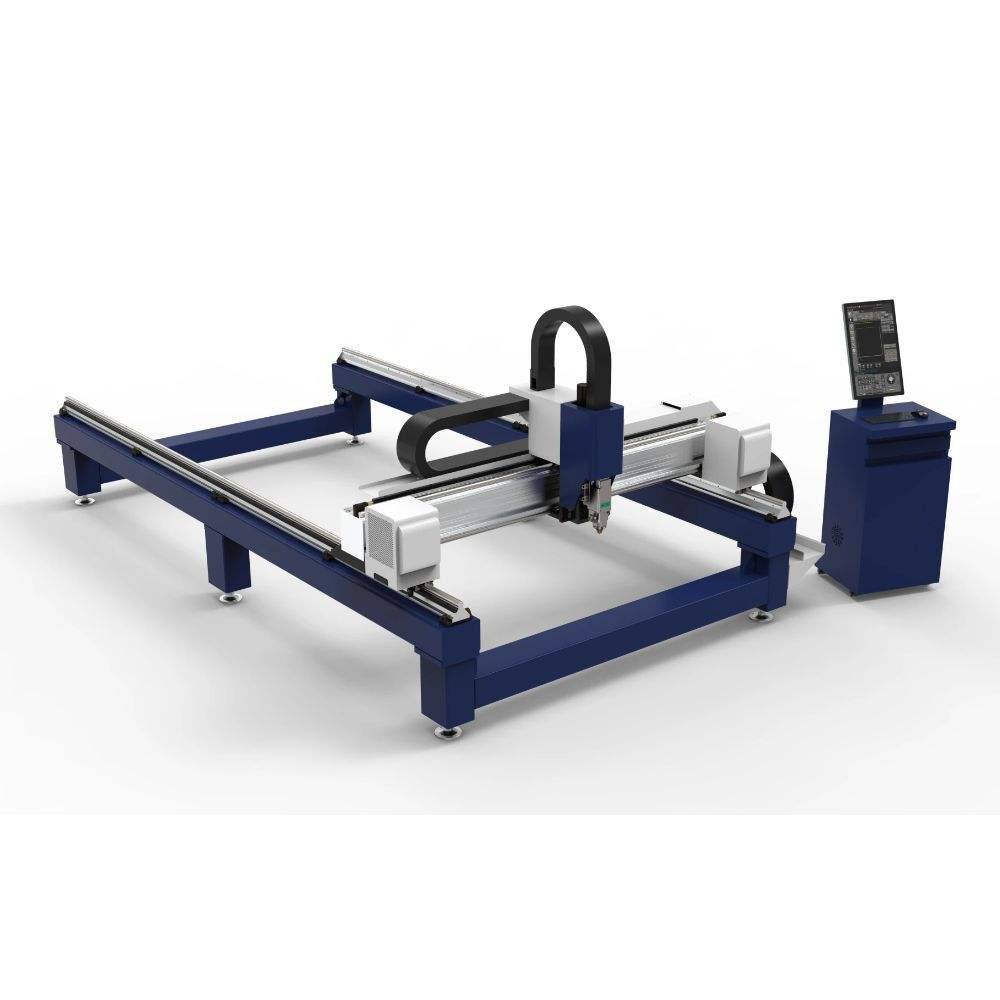
A 3kW fiber laser cutting machine generates its beam through a series of laser diodes that pump light into specially doped optical fibers. Unlike CO2 lasers that require a complex arrangement of mirrors and gas mixtures, the fiber laser is a “solid-state” device. The light is guided through a flexible transport fiber directly to the cutting head. This path ensures that the beam remains stable and focused, regardless of the gantry’s position on the cutting bed. For engineers in Guadalajara’s fast-paced electronics and automotive sectors, this means consistent part quality across the entire 1500mm x 3000mm (or larger) working area.
Power Density and Beam Quality
The “3kW” designation refers to the continuous wave output power. However, the effectiveness of laser cutting is determined by power density—the amount of energy concentrated into a tiny focal spot. A 3kW system produces a high-quality beam (M2 factor typically < 1.1) that can be focused down to a diameter of approximately 100 to 150 microns. This high energy concentration is what allows the laser to instantly vaporize aluminum, overcoming its natural tendency to reflect light and dissipate heat.
Processing Aluminum Alloys: The Guadalajara Context
Common Alloys in the Region
Guadalajara’s manufacturing base frequently utilizes several specific aluminum alloys. The 3000 series (manganese-alloyed) is common in general fabrication, while the 5000 series (magnesium-alloyed) and 6000 series (magnesium and silicon) are staples in the automotive and structural industries. The 3kW fiber laser is particularly adept at handling these materials:
- 5052 Aluminum: Excellent for marine and automotive parts due to corrosion resistance. A 3kW laser can cut 5052 up to 10mm or 12mm with high edge quality.
- 6061-T6 Aluminum: A structural favorite. While slightly more prone to dross than the 5000 series, the 3kW power allows for high-speed processing that minimizes the Heat Affected Zone (HAZ).
Overcoming Reflectivity
Aluminum is a “highly reflective” material. In the early days of laser cutting, back-reflection could travel back up the beam path and destroy the laser source. Modern 3kW fiber lasers are equipped with advanced back-reflection isolation systems. These optical “one-way valves” protect the resonator, allowing Guadalajara shops to cut polished or shiny aluminum grades without the risk of expensive equipment failure. This is a crucial advancement for local signage and architectural firms that work with aesthetic aluminum finishes.
Operational Parameters and Gas Selection
Nitrogen vs. Oxygen vs. Compressed Air
The choice of assist gas is the most significant factor in the quality of the laser cutting edge on aluminum alloys. In Guadalajara’s industrial zones like El Salto or Zapopan, the cost and availability of these gases will dictate the operational overhead.
- Nitrogen (N2): For most 3kW applications, Nitrogen is the preferred gas. It acts as a shielding agent, preventing oxidation of the molten aluminum. This results in a clean, silver, weld-ready edge. High-pressure Nitrogen (typically 15-20 bar) is required to “blow” the melt out of the kerf.
- Oxygen (O2): While Oxygen can increase cutting speeds in thick carbon steel, it is rarely used for aluminum because it creates a heavy oxide layer on the cut edge, which is detrimental to subsequent welding or painting processes.
- Compressed Air: With the rising cost of bottled gas in Mexico, many Guadalajara facilities are moving toward high-pressure dry air (filtered to remove oil and moisture). A 3kW laser cutting machine can effectively cut thinner aluminum (up to 4mm) using air, providing a cost-effective alternative for high-volume production.
Cutting Speeds and Thickness Capabilities
A 3kW fiber laser offers a broad processing window for aluminum. For 1mm to 3mm sheets, the machine can achieve speeds exceeding 20-30 meters per minute. As thickness increases to 6mm or 8mm, the speed drops to approximately 1.5 to 2.5 meters per minute. While a 3kW machine can technically “sever” 12mm or even 15mm aluminum, the most efficient production limit—where edge quality meets economic speed—is typically around 10mm. For shops in Jalisco requiring thicker cuts, moving to a 6kW or 12kW system might be necessary, but for 80% of regional industrial needs, 3kW is the optimal investment.
Environmental and Maintenance Considerations in Jalisco
Climate Control and Chiller Performance
Guadalajara’s climate is generally mild, but it does experience significant temperature fluctuations and high humidity during the rainy season. The 3kW fiber laser requires a dual-circuit water chiller to maintain the temperature of both the laser source and the cutting head. It is vital that these chillers are rated for the local environment. If the humidity is too high, condensation can form on the internal optics (the “dew point” issue), leading to catastrophic failure. High-quality machines used in the region often feature air-conditioned electrical cabinets and sealed optical paths to mitigate these risks.
Nozzle and Optics Maintenance
When laser cutting aluminum, “spatter” is a common occurrence. Small droplets of molten metal can fly upward and adhere to the nozzle or the protective window. In a professional engineering environment, daily inspection of the protective lens is mandatory. Using a 3kW system requires precise nozzle centering and calibration. If the nozzle is even slightly misaligned, the beam will clip the side, causing turbulence in the assist gas flow and resulting in a “burr” or dross on the bottom of the aluminum part.
Economic Impact for Guadalajara Manufacturers
Return on Investment (ROI)
For a metal fabrication shop in Guadalajara, the transition from plasma cutting or waterjet to a 3kW fiber laser cutting system offers a rapid ROI. While the initial capital expenditure is higher than plasma, the “cost per part” is significantly lower due to the speed of the laser and the lack of secondary finishing required. Because the fiber laser produces such a precise cut, parts often go directly from the laser bed to the assembly line, skipping the grinding and deburring stages that plague traditional methods.
Local Technical Support and Supply Chain
The presence of major industrial suppliers in the Guadalajara metropolitan area ensures that consumables—such as copper nozzles, ceramic rings, and protective windows—are readily available. Furthermore, the local expertise in CNC programming and CAD/CAM software (like Lantek or CypCut) means that finding skilled operators in Jalisco is easier than in more remote regions of Mexico. This local ecosystem reduces downtime and ensures that the 3kW laser cutting machine remains a productive asset for the long term.
Safety Standards and Engineering Best Practices
Laser Safety (Class 4)
A 3kW fiber laser is a Class 4 laser product. The beam is invisible and can cause permanent blindness or skin burns instantly. Furthermore, the “scatter” or reflection off aluminum is particularly dangerous. It is imperative that any 3kW system installed in a Guadalajara facility is either fully enclosed (Class 1 housing) or operated in a strictly controlled environment with laser-safe viewing windows (OD6+ rating for 1064nm). Operators must be trained in the specific safety protocols mandated by Mexican NOM (Normas Oficiales Mexicanas) standards regarding industrial machinery.
Fume Extraction
Cutting aluminum alloys produces fine particulate matter and metal oxides. A robust dust collection and filtration system is not optional. For a 3kW system, the extraction unit should be capable of handling the volume of fumes generated during high-speed cutting. This ensures a healthy work environment and prevents the buildup of conductive dust on the machine’s electronic components, which is a common cause of short circuits in industrial settings.
Conclusion
The 3kW fiber laser cutting machine represents a transformative technology for the aluminum fabrication industry in Guadalajara. By providing the power necessary to penetrate thick alloys while maintaining the precision required for intricate electronic components, it serves as a versatile tool for the region’s diverse manufacturing sector. As Jalisco continues to position itself as a global leader in advanced manufacturing, the adoption of fiber laser technology will remain a cornerstone of industrial growth, driving efficiency, quality, and competitiveness in the international market.













