High-Power laser cutting: A Guide to 30kW Technology for Carbon Steel in Queretaro
The industrial landscape of Queretaro has undergone a seismic shift over the last decade, evolving into a premier hub for aerospace, automotive, and heavy machinery manufacturing. As the demand for faster production cycles and higher precision grows, the adoption of ultra-high-power fiber lasers has become a necessity rather than a luxury. Specifically, the 30kW sheet metal laser has emerged as the gold standard for processing carbon steel, offering unprecedented speed and the ability to cut through thicknesses that were previously the sole domain of plasma or waterjet systems. This guide explores the technical nuances, economic advantages, and regional considerations for implementing 30kW laser cutting technology in the heart of Mexico’s Bajío region.
The Technical Evolution of 30kW Fiber Lasers
In the realm of laser cutting, power is the primary driver of throughput. While 6kW and 10kW machines have been the workhorses of the industry for years, the 30kW fiber laser represents a quantum leap in capability. At this power level, the energy density at the focal point is immense, allowing for the instantaneous sublimation of carbon steel. This high energy density translates to significantly higher feed rates. For instance, on 20mm carbon steel, a 30kW system can achieve cutting speeds that are three to four times faster than a 12kW alternative.
Beyond mere speed, the 30kW source allows for a more stable cutting process in thicker materials. The increased power provides a larger “process window,” meaning the machine is less sensitive to variations in material quality—a common challenge when sourcing carbon steel in large batches. This stability ensures that the kerf remains consistent and the dross remains minimal, reducing the need for secondary finishing processes.
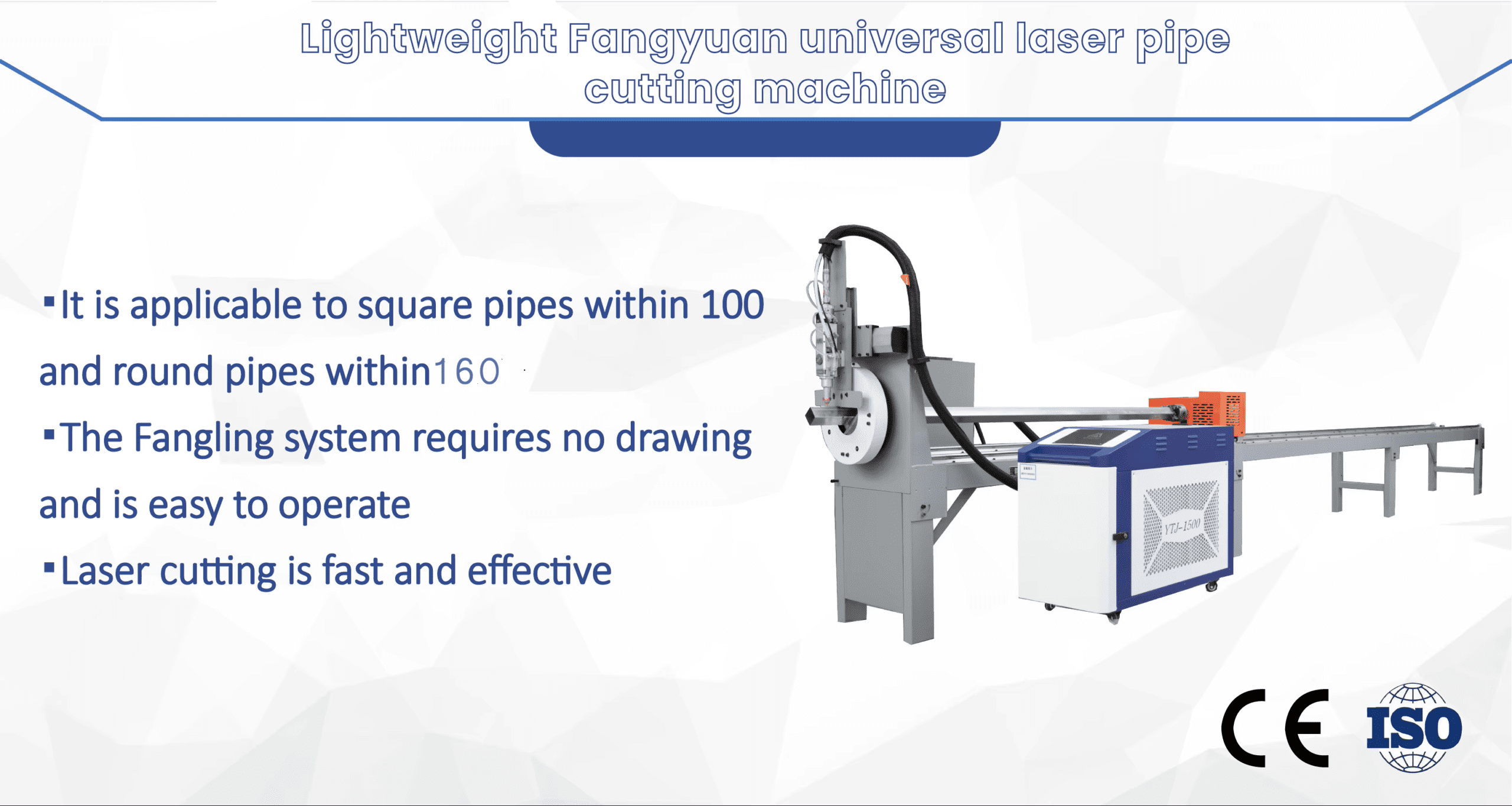 laser cutting machine” style=”width:100%; max-width:800px; height:auto; margin: 20px 0;”>
Carbon Steel Processing: Thickness and Quality
Carbon steel is the most common material processed in Queretaro’s industrial parks, used in everything from structural beams to automotive brackets. When utilizing a 30kW laser cutting system, the machine can comfortably handle carbon steel thicknesses up to 50mm or even 60mm with high-quality edge finishes. However, the true “sweet spot” for 30kW systems lies in the 16mm to 30mm range, where the speed-to-cost ratio is most favorable.
To achieve a “bright surface” or “mirror finish” on carbon steel, the 30kW laser utilizes advanced piercing technologies. Dynamic piercing allows the laser to penetrate thick plates in a fraction of a second, preventing heat buildup that can lead to “self-burning” or slag accumulation. In Queretaro’s competitive market, the ability to deliver clean, burr-free parts directly from the laser bed is a significant competitive advantage, as it eliminates the labor-intensive grinding stage.
The Strategic Importance of Queretaro’s Industrial Hub
Queretaro is strategically positioned as a logistics epicenter in Mexico. With proximity to major OEMs (Original Equipment Manufacturers) and Tier 1 suppliers, local fabrication shops must meet rigorous quality standards. The implementation of 30kW laser cutting technology allows local shops to compete on a global scale. The region’s infrastructure, including high-voltage power grids and specialized gas suppliers, supports the high energy and gas consumption requirements of these massive machines.
Furthermore, the presence of technical universities and specialized training centers in the Bajío region ensures a pipeline of skilled operators. Operating a 30kW machine requires a deeper understanding of optics and thermodynamics than lower-power units. The ability of Queretaro-based companies to train staff on CNC programming and laser maintenance is a critical factor in the successful ROI of such high-capital equipment.
Gas Selection and Optimization for 30kW Cutting
In laser cutting, the choice of assist gas is as critical as the laser power itself. For carbon steel, the two primary options are Oxygen (O2) and Nitrogen (N2), or increasingly, High-Pressure Air.
Oxygen (O2) Cutting
Traditionally, thick carbon steel is cut using oxygen. The oxygen reacts with the iron in the steel (an exothermic reaction), which adds thermal energy to the process. This allows for clean cuts at lower power. However, with 30kW of raw power, the role of oxygen shifts. It is used primarily for very thick sections where a high-quality finish is required. The downside of oxygen is the formation of an oxide layer on the cut edge, which must be removed before painting or welding.
Nitrogen (N2) and Air Cutting
The 30kW laser allows for “High-Pressure Air” or Nitrogen cutting on carbon steel thicknesses that were previously impossible. Because the laser provides enough energy to melt the metal without the exothermic assist of oxygen, Nitrogen can be used to blow the molten metal away. This results in an oxide-free edge, which is ready for immediate welding or powder coating. For manufacturers in Queretaro’s automotive sector, this “weld-ready” edge is a massive time-saver.
Thermal Management and Precision
One of the primary challenges with 30kW laser cutting is heat management. Carbon steel is a highly conductive material, and the intense energy of a 30kW beam can cause the entire plate to expand if the cutting path is not optimized. This thermal expansion can lead to dimensional inaccuracies in the finished parts.
Modern 30kW machines counteract this through intelligent nesting software and cooling technologies. “Cooling points” or water-mist nozzles can be used to dissipate heat around the cutting zone. Additionally, the high speed of the 30kW laser actually works in its favor; because the laser moves so quickly, the “dwell time” on any specific area is minimized, reducing the total heat-affected zone (HAZ) compared to slower, lower-power machines.
Maintenance of High-Power Optics
For a 30kW system operating in the industrial environments of Queretaro—where dust and ambient temperature can vary—maintenance of the optical path is paramount. At 30,000 watts, even a microscopic speck of dust on the protective window can absorb enough energy to shatter the lens or damage the cutting head. These machines utilize pressurized, filtered air systems to keep the optical chamber clean.
Operators must perform daily checks on the protective glass and ensure the chiller system is maintaining the exact temperature required for the laser source and the cutting head. In Queretaro’s semi-arid climate, ensuring the chiller is properly descaled and the coolant is at the correct concentration is vital for preventing downtime. A 30kW laser is a high-performance engine; it requires disciplined maintenance to maintain peak efficiency.
Economic Impact and Return on Investment (ROI)
The capital expenditure for a 30kW laser cutting machine is substantial. However, the ROI is driven by the “cost per part.” By tripling the production speed on medium-to-thick carbon steel, a single 30kW machine can often replace two or three 6kW machines. This consolidation reduces the required floor space, lowers labor costs (as fewer operators are needed), and significantly reduces the electricity consumption per part produced.
In the competitive bidding environment of Queretaro’s manufacturing sector, the ability to turn around large orders of heavy-duty components in half the time of competitors is a decisive advantage. Facilities that adopt 30kW technology can take on projects involving structural plates for the construction industry or heavy chassis for transport vehicles that were previously outsourced or produced using slower methods.
The Future of Fabrication in Mexico
As we look toward the future, the integration of 30kW laser cutting with automation is the next logical step for Queretaro’s factories. Automatic loading and unloading systems, combined with high-power lasers, allow for “lights-out” manufacturing. Carbon steel plates can be loaded onto the shuttle table, and the machine can run through the night, providing a stack of finished parts ready for the morning shift.
The 30kW sheet metal laser is not just a tool; it is a catalyst for industrial growth. For companies in Queretaro looking to solidify their position in the global supply chain, investing in high-power fiber laser technology is the most effective way to ensure long-term viability and technical superiority in the processing of carbon steel.
Conclusion
The 30kW laser cutting system has redefined the boundaries of what is possible in sheet metal fabrication. For the carbon steel industry in Queretaro, it offers a path to higher precision, faster lead times, and lower operational costs. By understanding the technical requirements—from gas selection to thermal management—and leveraging the regional advantages of the Bajío area, manufacturers can transform their production capabilities and lead the market in high-quality industrial fabrication.













