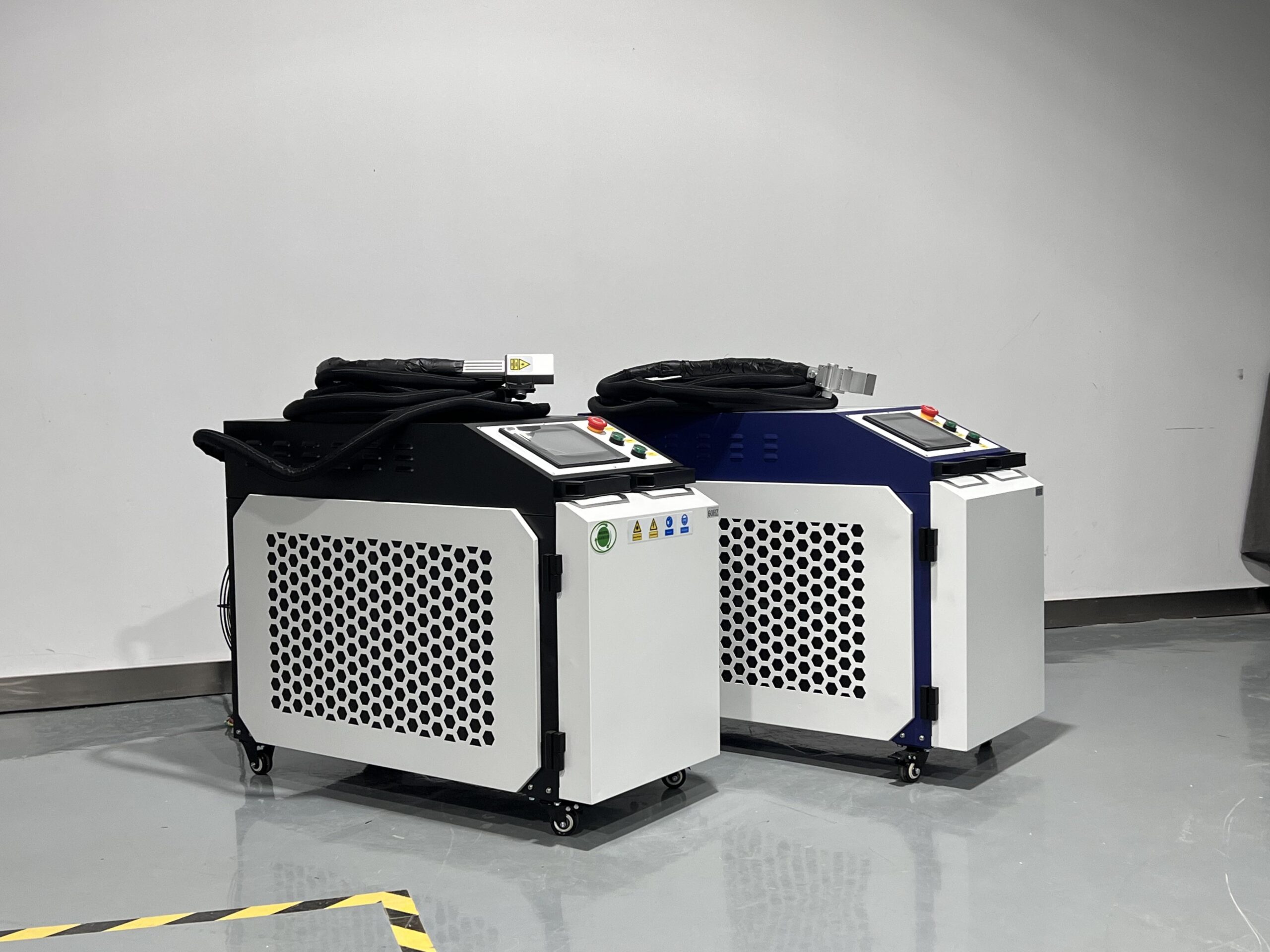
The Dawn of High-Power Structural Fabrication in Istanbul
Istanbul stands as a unique architectural laboratory where the demands of modern transit meet the challenges of seismic activity and massive geographic spans. For bridge engineering firms operating in Turkey’s industrial heartland, the shift from traditional plasma or oxy-fuel cutting to 30kW fiber laser technology is not merely an upgrade—it is a transformation. The introduction of the 30kW Fiber Laser CNC Beam and Channel Laser Cutter, equipped with an infinite rotation 3D head, provides the local industry with the tools necessary to compete on a global scale, particularly in the fabrication of large-scale suspension and cable-stayed bridge components.
The “30kW” designation is the centerpiece of this evolution. In the world of fiber lasers, wattage dictates not just the speed of the cut, but the quality and thickness of the material that can be processed. At 30,000 watts, the laser beam possesses an energy density capable of vaporizing thick-walled structural steel (up to 50mm or more) almost instantaneously. For bridge components like heavy-duty H-beams, U-channels, and I-beams, this means the laser can slice through the web and flanges of the steel with a narrow kerf and a minimal heat-affected zone (HAZ), preserving the mechanical properties of the high-strength alloys essential for bridge safety.
Mastering Geometry: The Infinite Rotation 3D Head
One of the most significant hurdles in structural steel fabrication has been the geometry of the beams. Unlike flat sheet metal, beams require processing on multiple faces and often demand complex bevels for weld preparations. Traditional CNC machines were often limited by cable management systems that prevented the cutting head from rotating more than 360 or 720 degrees before needing to “unwind.”
The “Infinite Rotation 3D Head” solves this through advanced slip-ring technology and sophisticated five-axis kinematics. This allows the laser head to rotate continuously around the beam, executing complex “A” and “B” axis movements without interruption. In bridge engineering, where diagonal bracing and intricate joint connections are common, this capability allows for the creation of perfect V-shaped, Y-shaped, or K-shaped bevels. These bevels are critical for deep-penetration welding, ensuring that the joints connecting the massive steel skeletons of bridges can withstand the dynamic loads of traffic and wind.
Because the head can move with “infinite” freedom, it can transition seamlessly from cutting a bolt hole in the flange to performing a 45-degree miter cut on the end of the beam, all in one continuous motion. This eliminates the need to reposition the workpiece, which is often a 12-meter-long beam weighing several tons, thereby removing the primary source of cumulative tolerance errors.
Seismic Resilience and Precision in Bridge Engineering
Istanbul is situated near the North Anatolian Fault, making seismic resilience a non-negotiable factor in bridge design. Precision in fabrication directly correlates to the structural reliability of the bridge. When beams and channels are cut with a 30kW laser, the accuracy is typically within ±0.1mm. This level of precision ensures that during on-site assembly, the components fit together perfectly, reducing internal stresses that can occur when forced fitment is required.
Furthermore, the 30kW laser’s ability to create “sharp” internal corners and precise notches allows engineers to design more efficient “lock-and-key” joints. These joints distribute loads more effectively than traditional bolted connections. In bridge engineering, the reduction of the Heat Affected Zone (HAZ) is also paramount. Excessive heat from plasma cutting can alter the grain structure of the steel, leading to brittleness. The high speed of a 30kW laser means the heat is moved so quickly across the material that the surrounding steel remains relatively cool, maintaining the fatigue resistance necessary for structures that must last 100 years or more.
Istanbul: A Hub for Metalworking Excellence
Istanbul has long been the industrial engine of Turkey, with specialized zones like Dudullu, İkitelli, and the heavy industry corridors toward Kocaeli. The adoption of 30kW 3D laser technology here is driven by the region’s massive infrastructure projects, such as the maintenance of the Bosphorus bridges and the fabrication of components for new transit corridors.
Local engineering firms are increasingly moving away from manual labor for beam processing. In the past, marking, drilling, and torch-cutting a single H-beam could take hours of skilled labor. A 30kW CNC beam cutter can perform these tasks in minutes. This productivity boost is essential for Istanbul-based contractors who are often working on tight deadlines for government-led infrastructure projects. Moreover, the integration of CAD/CAM software allows Istanbul’s engineers to port bridge designs directly from programs like Tekla Structures into the laser’s CNC system, ensuring that what is designed in the virtual 3D space is replicated exactly in the steel.
The Economic Impact: Reducing Waste and Secondary Operations
The high cost of 30kW laser systems is offset by the dramatic reduction in operational overhead. Traditional methods often require secondary processes: after a plasma cut, the edge must be ground to remove dross and slag, and then the bevel must be manually prepared. The 30kW fiber laser produces a “ready-to-weld” surface. The dross is virtually non-existent, and the bevel is cut to the exact degree required for the weld procedure specification (WPS).
In the context of bridge engineering, where thousands of tons of steel are used, the material savings from the laser’s narrow kerf (the width of the cut) also become significant. More importantly, the “Infinite Rotation” head allows for more creative nesting of parts on the beam, reducing the amount of scrap metal. In a city like Istanbul, where steel prices are tied to global markets, maximizing material yield is a critical competitive advantage.
Environmental and Safety Considerations
Bridge fabrication is traditionally a noisy, smoky, and hazardous environment. The transition to CNC fiber laser cutting significantly improves the workshop environment. Modern 30kW systems are fully enclosed, with advanced dust extraction and filtration systems that capture the metallic vapors generated during the vaporization process. This is particularly important for Istanbul’s urban-adjacent industrial zones, where environmental regulations are becoming increasingly stringent.
From a safety perspective, the automation of beam handling and cutting reduces the risk of workplace injuries. The CNC system manages the movement of the heavy beams through the cutting zone using automated conveyors and rotators, minimizing the need for crane maneuvers and manual torch handling.
Conclusion: Bridging the Future with Light
The 30kW Fiber Laser CNC Beam and Channel Laser Cutter with an Infinite Rotation 3D Head is more than just a machine; it is a catalyst for a new era of infrastructure. In Istanbul, a city that serves as the literal bridge between Europe and Asia, the ability to fabricate stronger, more precise, and more complex steel structures is essential.
As bridge engineering continues to push the boundaries of span and aesthetics, the demand for technology that can handle the “heavy lifting” of fabrication with the delicacy of a surgeon’s scalpel will only grow. By embracing 30kW fiber laser technology, Istanbul’s industrial sector ensures that the bridges of tomorrow—whether they cross the Bosphorus or connect distant valleys—are built on a foundation of unmatched precision, structural integrity, and technological brilliance. The infinite rotation of the laser head is a fitting symbol for the city’s own continuous motion and its commitment to bridging the gap between historical grandeur and futuristic engineering.