The Precision of 2kW Sheet Metal laser cutting for Brass in Tijuana
Tijuana has established itself as a cornerstone of North American manufacturing, serving as a vital hub for the aerospace, medical device, and electronics industries. Within this high-stakes industrial ecosystem, the 2kW fiber laser has emerged as the gold standard for processing non-ferrous metals. Among these, brass presents a unique set of challenges and opportunities. This guide explores the technical intricacies of laser cutting brass using 2kW systems, specifically tailored for the manufacturing landscape of Tijuana.
Understanding the 2kW Fiber Laser Advantage
The transition from CO2 lasers to fiber laser technology revolutionized the way “yellow metals” are processed. Brass, an alloy of copper and zinc, is notoriously difficult for older laser technologies due to its high reflectivity and thermal conductivity. A 2kW fiber laser operates at a wavelength of approximately 1.06 microns, which is absorbed much more efficiently by brass than the 10.6 microns of a CO2 laser.
In the context of Tijuana’s maquiladoras, the 2kW power rating offers an ideal balance between capital investment and operational capability. It provides enough power to penetrate brass sheets up to 6mm or 8mm in thickness while maintaining the precision required for intricate components used in electrical connectors and decorative architectural elements.
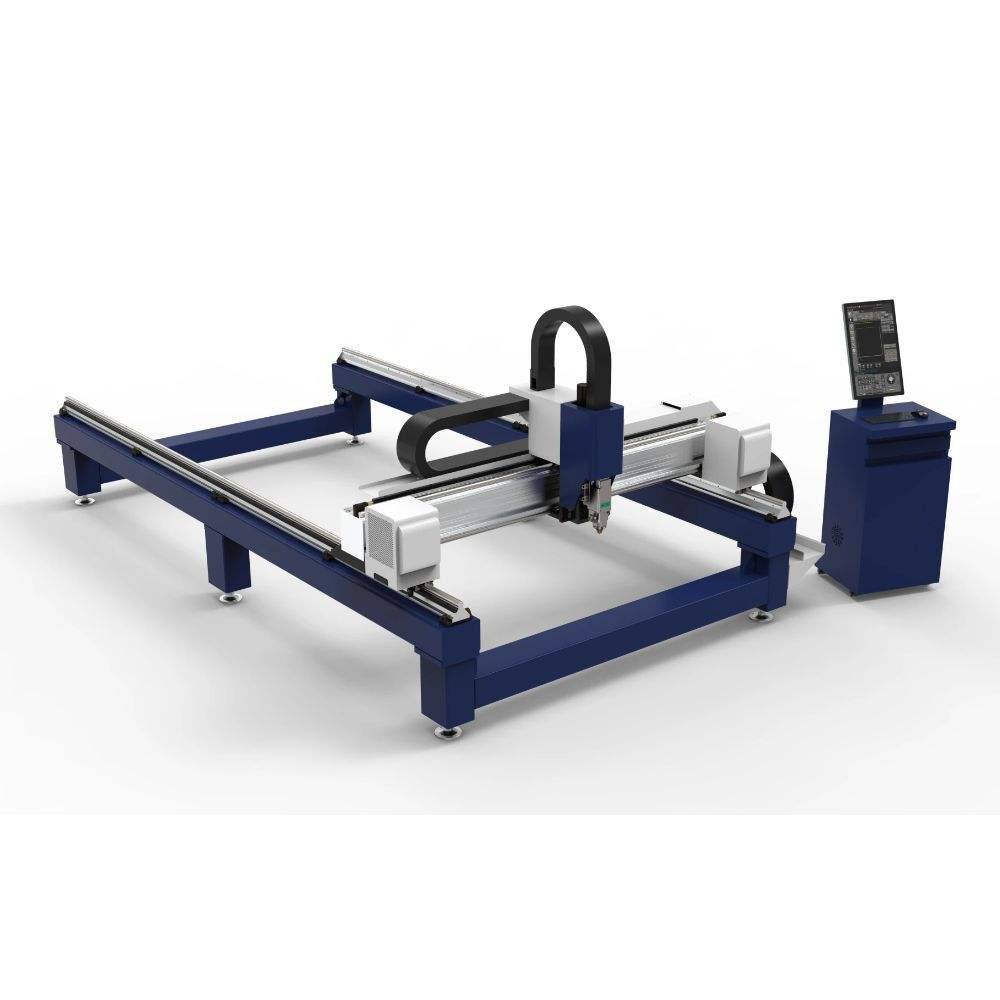
 laser cutting machine” style=”width: 100%; max-width: 800px; height: auto; margin: 20px 0;”>
Technical Challenges of Laser Cutting Brass
Engineering teams in Tijuana must account for the physical properties of brass to ensure high-quality yields. Brass reflects a significant portion of laser energy, especially in its solid state. This back-reflection can potentially travel back through the delivery fiber and damage the laser resonator if the system is not equipped with appropriate isolators.
Back-Reflection Protection
Modern 2kW fiber lasers are designed with “back-reflection isolation” technology. This is critical when laser cutting brass. When the beam first hits the shiny surface of the brass, a “pierce” must happen quickly to break the reflectivity. If the pierce is delayed, the reflected energy peaks. Engineers in the region prioritize machines that feature multi-stage piercing cycles and optical protection to maintain uptime in high-volume production environments.
Thermal Conductivity Management
Brass dissipates heat rapidly. While this is beneficial for some applications, in laser cutting, it means the energy from the 2kW beam can be wicked away from the cut zone before it can melt the metal. This requires precise control over the feed rate. If the speed is too slow, heat builds up and causes “dross” or slag on the underside of the part. If it is too fast, the laser fails to penetrate, resulting in a failed cut and potential nozzle damage.
Optimizing Parameters for 2kW Systems
Achieving a “burr-free” finish on brass requires a sophisticated understanding of cutting parameters. For a 2kW system, the following variables are paramount:
Assist Gas Selection: Nitrogen vs. Oxygen
In Tijuana’s industrial sectors, Nitrogen is the preferred assist gas for brass. Nitrogen acts as a mechanical force to blow the molten metal out of the kerf without causing oxidation. This results in a clean, bright edge that is ready for assembly or plating without secondary finishing. Typically, pressures between 12 and 18 bar are required for 2kW applications on thin-to-medium gauge brass.
Oxygen can be used for thicker sections to add exothermic energy to the cut, but it results in a darkened, oxidized edge. For the high-aesthetic demands of the electronics and jewelry industries in Baja California, high-pressure Nitrogen remains the industry standard.
Nozzle Calibration and Focal Point
The focal point for brass is usually set slightly below the surface of the material or even at the bottom of the sheet, depending on the thickness. This encourages a wider kerf at the bottom, allowing the high-pressure gas to evacuate the molten material more effectively. Using a double-layer nozzle can also help stabilize the gas flow, reducing turbulence that causes striations on the cut edge.
Applications in Tijuana’s Industrial Landscape
Tijuana’s proximity to the United States makes it a prime location for “Just-In-Time” (JIT) manufacturing. The 2kW laser cutting capacity is utilized across several key sectors:
Electrical and Electronics
Brass is a primary material for busbars, terminals, and connectors due to its conductivity. Precision laser cutting allows for the production of these components with tolerances as tight as +/- 0.1mm. The 2kW laser ensures that even complex geometries with small radii can be cut without deforming the material through excessive heat input.
Medical Device Manufacturing
The medical cluster in Tijuana requires surgical-grade precision. Brass components used in diagnostic equipment or specialized enclosures benefit from the high-quality edge finish provided by fiber lasers. The ability to switch between different gauges of brass quickly makes the 2kW machine a versatile tool for R&D and full-scale production alike.
Maintenance and Environmental Considerations in Tijuana
Operating high-precision laser cutting equipment in a coastal, industrial city like Tijuana requires specific maintenance protocols. The salt air and humidity from the Pacific can influence the longevity of optical components and the stability of the power supply.
Climate Control and Air Filtration
The chiller units for 2kW lasers must be meticulously maintained. In Tijuana’s warmer months, the temperature differential can cause condensation on the laser head. Using high-quality deionized water and ensuring the internal climate control of the laser cabinet is functional is essential to prevent “thermal drift,” which can affect the accuracy of the cut in brass.
Power Stability
Industrial zones in Baja California can occasionally experience voltage fluctuations. For a 2kW fiber laser, consistent voltage is necessary to maintain the beam quality. Many facilities install industrial voltage regulators and UPS systems to protect the sensitive diodes of the fiber resonator, ensuring that a laser cutting job isn’t interrupted, which would be particularly costly when processing expensive alloys like brass.
Economic Impact and Future Outlook
The adoption of 2kW laser cutting technology has significantly reduced the cost-per-part for brass components in the region. By eliminating the need for expensive die-stamping tools for low-to-medium volume runs, manufacturers in Tijuana can offer more competitive pricing and faster turnaround times for the California market and beyond.
Scaling with 2kW Technology
While higher power lasers (6kW to 12kW) are available, the 2kW remains the “sweet spot” for many sheet metal shops. It offers the lowest operational cost for materials under 5mm, which constitutes the bulk of brass applications. As Tijuana continues to move toward Industry 4.0, these laser cutting systems are increasingly integrated with automated loading and unloading systems to further enhance productivity.
Conclusion
Mastering the use of a 2kW sheet metal laser for brass requires a blend of metallurgical knowledge and mechanical precision. For manufacturers in Tijuana, this technology represents a critical capability in a competitive global market. By optimizing assist gas pressures, protecting against back-reflection, and maintaining strict environmental controls, shops can produce world-class brass components that meet the rigorous standards of today’s high-tech industries. The synergy between advanced fiber laser cutting and Tijuana’s skilled labor force continues to drive the region’s reputation as a leader in precision manufacturing.













