Introduction to 2kW Precision Laser Systems in Tijuana’s Industrial Sector
The manufacturing landscape in Tijuana, Baja California, has undergone a significant transformation over the last decade. As a primary hub for the maquiladora industry, the region has transitioned from basic assembly to high-precision engineering. Central to this evolution is the implementation of 2kW fiber laser systems. These machines represent the “sweet spot” of power and precision, particularly when dealing with non-ferrous metals like brass. For engineers and plant managers in the San Diego-Tijuana binational region, understanding the technical nuances of 2kW laser cutting is essential for maintaining a competitive edge in the global supply chain.
Brass, an alloy of copper and zinc, is prized for its electrical conductivity, corrosion resistance, and aesthetic appeal. However, it is also one of the most challenging materials to process using traditional thermal methods. The introduction of fiber laser technology, specifically in the 2kW power range, has revolutionized how Tijuana-based facilities approach brass fabrication, offering speeds and tolerances that were previously unattainable with CO2 lasers or mechanical punching.
The Physics of Fiber Laser Cutting on Highly Reflective Materials
To understand why a 2kW system is preferred for brass, one must examine the material science involved. Brass is a highly reflective metal. In the context of laser cutting, reflectivity refers to the material’s tendency to bounce laser energy back towards the source rather than absorbing it. Traditional CO2 lasers operate at a wavelength of 10.6 micrometers, which brass reflects at a rate of nearly 95%. This not only makes cutting inefficient but can also cause catastrophic damage to the laser resonator.
Fiber lasers, such as the 2kW systems deployed in modern Tijuana shops, operate at a wavelength of approximately 1.07 micrometers. This shorter wavelength is absorbed much more readily by yellow metals. Even with improved absorption, brass remains thermally conductive, meaning heat dissipates rapidly away from the cut zone. A 2kW power output provides sufficient energy density to overcome this thermal dissipation, ensuring a clean melt and high-speed vaporisation without warping the surrounding material.
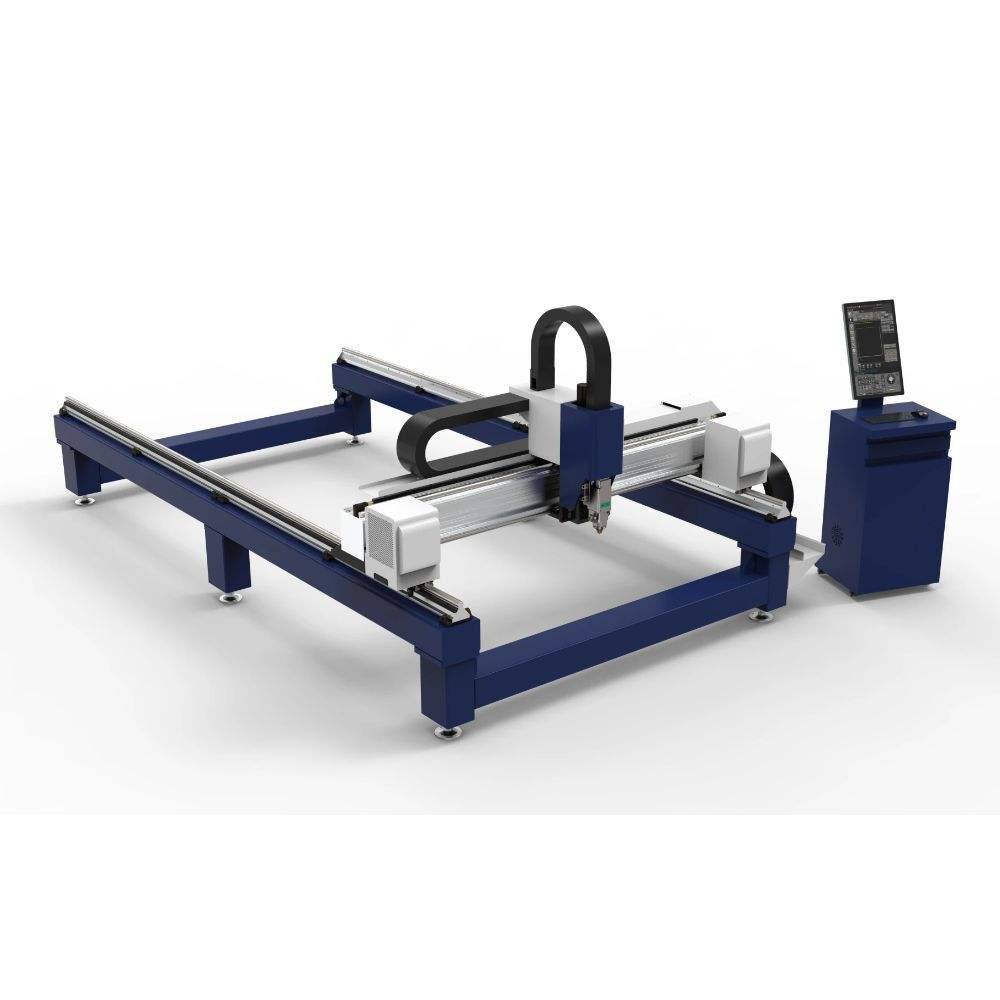
 laser cutting machine” style=”width: 100%; max-width: 800px; height: auto; margin: 20px 0;”>
Technical Specifications and Optimal Parameters for Brass
When configuring a 2kW laser for brass fabrication, several technical parameters must be harmonized. For engineers in Tijuana’s electronics and aerospace sectors, precision is non-negotiable. The 2kW threshold allows for the processing of brass sheets ranging from 0.5mm to 6mm with exceptional edge quality. Beyond 6mm, the kerf width begins to widen, and the risk of dross (solidified slag) on the underside of the cut increases.
Nozzle Selection and Focal Position
For precision laser cutting of brass, nozzle geometry is critical. A double-layer nozzle is typically employed when using oxygen as an assist gas, though nitrogen is the preferred medium for brass to prevent oxidation of the cut edge. The focal position must be set slightly below the surface of the material—often referred to as a “negative focus.” This ensures that the maximum energy density is concentrated within the thickness of the sheet, facilitating a cleaner evacuation of the molten metal.
Assist Gas Dynamics
In the Tijuana industrial corridor, the cost of consumables is a major factor in operational overhead. While oxygen can increase cutting speeds in thicker brass, it results in a darkened, oxidized edge that requires secondary cleaning. High-pressure nitrogen (typically 15-20 bar) is the industry standard for 2kW systems. Nitrogen acts as a mechanical force to blow the molten brass through the kerf while simultaneously cooling the edges, resulting in a bright, weld-ready finish that meets the stringent standards of the medical device and aerospace industries operating in the region.
Strategic Advantages of Tijuana’s Manufacturing Ecosystem
Tijuana offers a unique geographical and economic advantage for companies utilizing 2kW laser cutting technology. The proximity to the United States allows for “just-in-time” delivery of brass components to California-based OEMs. Furthermore, the local workforce in Baja California has developed specialized expertise in CNC programming and laser maintenance, supported by technical universities in the region.
The integration of 2kW systems into Tijuana’s factories allows for high-mix, low-volume production. Unlike traditional stamping, which requires expensive custom dies, laser cutting is software-driven. This allows engineers to iterate designs for brass connectors, decorative architectural panels, or automotive shims in real-time, reducing the “time-to-market” for critical components.
Overcoming the Challenge of Back-Reflection
One of the primary concerns for operators in Tijuana is the longevity of their equipment. As mentioned, brass is reflective. Even with fiber technology, “back-reflection” can occur if the beam is not perfectly absorbed. Modern 2kW precision systems are equipped with optical isolators and back-reflection sensors. These safety mechanisms automatically shut down the beam if they detect reflected energy returning to the cutting head, protecting the ytterbium-doped fiber and the sensitive diode modules.
Operational Best Practices for 2kW Systems
To maximize the ROI of a 2kW laser system in a high-output Tijuana facility, a rigorous maintenance schedule is required. The environment in Northern Mexico can be dusty, and salt air from the Pacific can contribute to corrosion if not managed. Industrial-grade chillers must be serviced regularly to ensure the laser source maintains a constant temperature, as fluctuations can lead to beam instability and inconsistent laser cutting results in brass.
Software and Nesting Efficiency
Precision is as much about software as it is about hardware. Advanced nesting software used in Tijuana’s laser shops allows for the optimization of brass sheets, which are significantly more expensive than mild steel or aluminum. By utilizing “common line cutting” and “bridge cutting,” operators can reduce waste and minimize the number of pierces required. Since piercing is the moment when the risk of back-reflection is highest, optimizing the pierce cycle is essential for both safety and speed.
The Role of Automation
Many 2kW systems in Tijuana are now being integrated with automated loading and unloading systems. For brass components used in the electronics industry, such as busbars or terminals, automation ensures that the delicate surfaces are not scratched or contaminated by manual handling. This level of precision ensures that the parts meet ISO 9001 and AS9100 certifications, which are common requirements for the export-oriented manufacturing sector in the city.
Economic Impact and Future Outlook
The investment in a 2kW precision laser system is a strategic move for Mexican enterprises looking to move up the value chain. While 4kW or 6kW machines exist, they often represent an unnecessary capital expenditure for shops that primarily handle brass sheets under 5mm. The 2kW system offers a lower entry cost, reduced power consumption, and a smaller footprint, making it ideal for the dense industrial zones of Otay Mesa and Civac.
As the “nearshoring” trend continues to bring more manufacturing back to North America, Tijuana is positioned to become a leader in specialized metal fabrication. The ability to perform high-precision laser cutting on brass puts local shops in a position to serve the growing electric vehicle (EV) market, where brass and copper components are vital for battery arrays and charging infrastructure.
Conclusion
The 2kW precision laser system is more than just a tool; it is a catalyst for industrial growth in Tijuana. By mastering the complexities of laser cutting brass—from managing reflectivity to optimizing nitrogen flow—Tijuana’s manufacturers are proving that they can compete with any global entity on quality and precision. As technology continues to advance, the synergy between skilled Mexican labor and high-end fiber laser technology will remain a cornerstone of the region’s economic success. For any facility looking to enhance its capabilities in non-ferrous metal fabrication, the 2kW fiber laser remains the gold standard for efficiency, reliability, and precision.













