Introduction to 2kW Fiber laser cutting in the Tijuana Industrial Corridor
The manufacturing landscape of Tijuana, Baja California, has undergone a radical transformation over the last decade. As a primary hub for the “maquiladora” industry and a cornerstone of the North American nearshoring strategy, Tijuana demands high-precision, high-throughput manufacturing solutions. Among these, the 2kW fiber laser cutting machine has emerged as a critical tool for metal fabrication, particularly when dealing with galvanized steel. This power range represents the “sweet spot” for many medium-scale enterprises, offering a perfect balance between capital investment and operational efficiency.
Fiber laser technology utilizes an optical fiber doped with rare-earth elements to amplify light, resulting in a beam with exceptional focus and energy density. For the fabrication shops located in industrial zones like Otay Mesa or El Florido, the ability to process galvanized steel with speed and precision is essential for maintaining competitive lead times in the automotive, aerospace, and electronics sectors. This guide explores the technical nuances of utilizing a 2kW fiber laser for galvanized steel processing within the unique economic context of Tijuana.
The Technical Advantage of 2kW Power for Galvanized Steel
When selecting a laser cutting system, the power rating dictates the maximum thickness and the speed of the cut. A 2kW (2000-watt) fiber laser is specifically optimized for thin to medium-gauge materials. In the context of galvanized steel—which is carbon steel coated with a protective layer of zinc—the 2kW output provides sufficient energy to penetrate the reflective coating without causing excessive thermal distortion in the base material.
The wavelength of a fiber laser, typically around 1.07 microns, is absorbed more efficiently by metals compared to the 10.6 microns of traditional CO2 lasers. This high absorption rate is particularly beneficial when cutting galvanized steel, as the zinc coating is highly reflective. A 2kW system can comfortably handle galvanized sheets ranging from 0.5mm to 6mm, achieving clean edges and high speeds that are necessary for high-volume production runs common in Tijuana’s export-oriented factories.

Understanding the Challenges of Galvanized Steel
Galvanized steel presents unique challenges for laser cutting due to the difference in melting and boiling points between the zinc coating and the steel core. Zinc has a boiling point of approximately 907°C, while steel melts at around 1,500°C. During the laser cutting process, the zinc layer vaporizes before the steel melts. This vapor can interfere with the laser beam and the assist gas flow, potentially leading to dross (slag) accumulation on the underside of the workpiece.
Furthermore, the vaporized zinc can be volatile, causing “spitting” or “popping” during the pierce. A 2kW fiber laser, when tuned correctly, manages this by utilizing high-pressure assist gases and specific nozzle geometries to blow away the vaporized zinc before it can contaminate the cut zone. For manufacturers in Tijuana, mastering these parameters is the difference between a part that requires secondary finishing and one that is ready for assembly immediately after cutting.
Optimal Cutting Parameters and Assist Gas Selection
The choice of assist gas is perhaps the most critical factor when using a 2kW fiber laser cutting machine on galvanized steel. The two primary options are Oxygen (O2) and Nitrogen (N2), each offering distinct advantages depending on the desired finish and the specific application in the Tijuana market.
Nitrogen vs. Oxygen Assist Gases
Nitrogen is generally the preferred gas for high-quality laser cutting of galvanized steel. When using Nitrogen at high pressures (often between 12 and 18 bar), the gas acts as a mechanical force to eject the molten metal. Because Nitrogen is inert, it prevents oxidation, resulting in a clean, silver-colored edge. This is crucial for parts that will be welded or painted later, as an oxidized edge can lead to poor paint adhesion or weld porosity. In Tijuana’s electronics enclosures industry, the clean edge provided by Nitrogen is a non-negotiable requirement.
Oxygen, on the other hand, triggers an exothermic reaction with the steel, providing additional heat that allows for faster cutting of thicker plates. However, when cutting galvanized steel with Oxygen, the zinc layer often reacts violently, leading to increased dross and a charred edge. While Oxygen is more cost-effective in terms of gas consumption, the secondary cleaning costs often outweigh the savings. For a 2kW machine, Nitrogen is almost always the recommendation for galvanized sheets under 3mm.
Focal Point and Nozzle Calibration
For a 2kW fiber laser, the focal point should typically be set slightly below the surface of the galvanized sheet when using Nitrogen. This ensures that the kerf is wide enough for the high-pressure gas to evacuate the molten material and zinc vapor efficiently. Nozzle selection is equally important; a double-layered nozzle is often used to stabilize the gas flow and protect the laser optics from potential back-splatter caused by the volatile zinc layer.
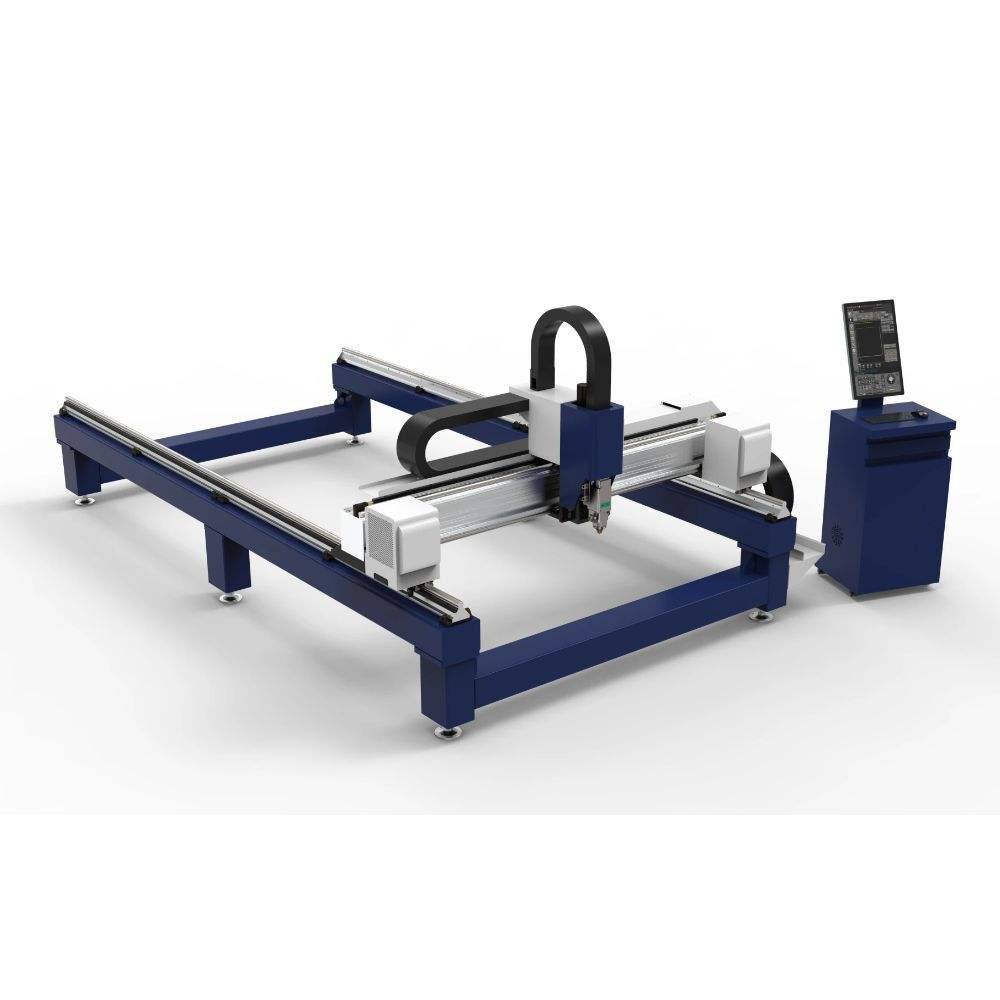
Economic Impact and Nearshoring in Tijuana
Tijuana’s proximity to the United States border makes it a strategic location for “just-in-time” manufacturing. Local shops utilizing 2kW fiber laser cutting technology can provide rapid prototyping and production for California-based companies, bypassing the long shipping times associated with overseas suppliers. The efficiency of the 2kW fiber laser allows these shops to maintain low operational costs, which is vital for competing in a global market.
The “Nearshoring” trend has led to an influx of investment in Tijuana’s industrial parks. Companies are moving away from traditional mechanical punching and plasma cutting toward fiber laser cutting because of the reduced waste and higher precision. For galvanized steel—commonly used in HVAC ducts, roofing components, and automotive frames—the fiber laser’s ability to nest parts tightly on a sheet significantly reduces material costs, which is a major factor in the high-volume environment of Baja California.
Labor and Training in the Region
As the technology in Tijuana matures, the demand for skilled laser operators has grown. Operating a 2kW fiber laser cutting machine requires a blend of mechanical knowledge and software proficiency. Fortunately, the presence of technical universities and industrial training centers in Tijuana has created a workforce capable of managing CNC programming and laser maintenance. This human capital, combined with advanced 2kW laser systems, positions Tijuana as a leader in high-tech fabrication.
Maintenance and Longevity of Fiber Laser Systems
To ensure the longevity of a 2kW fiber laser cutting machine, especially when processing galvanized steel, a strict maintenance schedule is required. The most significant risk when cutting galvanized material is the accumulation of zinc dust. This fine metallic dust can be abrasive and conductive, posing a threat to both the mechanical rails and the electronic components of the machine.
Dust Extraction and Filtration
A high-performance dust extraction system is mandatory. When the laser vaporizes the zinc coating, it creates hazardous fumes and fine particles. In Tijuana, environmental regulations (under SEMARNAT and local authorities) require proper filtration systems to ensure worker safety and environmental compliance. A 2kW machine should be paired with a fume extractor that utilizes HEPA filters and, in some cases, specialized coatings on the filter elements to prevent “blinding” by the sticky zinc particles.
Optical Component Care
The protective window (cover glass) of the laser head is the most vulnerable optical component. During the laser cutting of galvanized steel, the risk of “back-reflection” and “spatter” is higher than with standard cold-rolled steel. Operators must inspect the cover glass daily. Even a microscopic speck of zinc dust on the lens can absorb the 2kW beam’s energy, leading to thermal cracking and expensive downtime. Maintaining a clean-room environment within the laser head assembly is critical for consistent performance.
Safety Considerations for Galvanized Steel Processing
Safety in laser cutting involves both the physical hazards of the laser beam and the chemical hazards of the material being processed. A 2kW fiber laser is a Class 4 laser, meaning direct or reflected exposure can cause permanent eye damage or skin burns. Machines used in Tijuana’s industrial sectors are typically fully enclosed with laser-safe glass (OD6+ rating) to protect the operators.
Regarding galvanized steel, the inhalation of zinc oxide fumes can lead to “metal fume fever,” a condition characterized by flu-like symptoms. Therefore, the integrity of the machine’s enclosure and the efficiency of the exhaust system are not just operational concerns, but vital health and safety requirements. Engineering firms in Tijuana prioritize these safety features to meet both Mexican STPS standards and international ISO requirements.
Conclusion: The Future of Fabrication in Tijuana
The 2kW fiber laser cutting machine has proven to be an indispensable asset for the Tijuana manufacturing sector. Its ability to process galvanized steel with high precision, speed, and cost-effectiveness aligns perfectly with the demands of the North American supply chain. As industries continue to migrate toward more complex and lightweight designs, the versatility of the 2kW fiber laser will remain a cornerstone of industrial growth in the region.
For businesses in Tijuana looking to upgrade their capabilities, investing in fiber laser technology is no longer an option but a necessity to remain competitive. By understanding the specific requirements of galvanized steel—from assist gas selection to dust management—manufacturers can unlock the full potential of their 2kW systems, ensuring high-quality output and long-term operational success in the vibrant industrial landscape of Baja California.













