1. Technical Site Overview and System Configuration
The implementation of the 20kW Universal Profile Steel Laser System at the Charlotte shipbuilding facility marks a significant transition from conventional plasma-arc cutting to high-density photon-beam processing. In the context of heavy naval architecture, where structural integrity is non-negotiable, the shift to 20kW fiber resonance provides the necessary power density to penetrate thick-walled bulb flats, H-beams, and L-profiles with minimal thermal deviation.
The system architecture comprises a 20kW ytterbium fiber laser source, a multi-axis 3D cutting head with ±135-degree beveling capability, and a heavy-duty automated material handling chassis designed for 12-meter profile lengths. In the Charlotte sector, specific environmental factors—including ambient humidity and localized power grid fluctuations—necessitated the integration of reinforced climate-controlled optics and industrial-grade voltage stabilization to ensure consistent beam quality (M² < 1.1).
2. Thermodynamics of 20kW Fiber Sources in Thick-Section Steel
The primary advantage of the 20kW source in profile steel processing is the radical reduction in the Heat Affected Zone (HAZ). Traditional thermal cutting methods, such as oxy-fuel or standard plasma, induce significant grain growth and carbide precipitation along the cut edge, which can lead to embrittlement in marine-grade steels like AH36 and DH36.
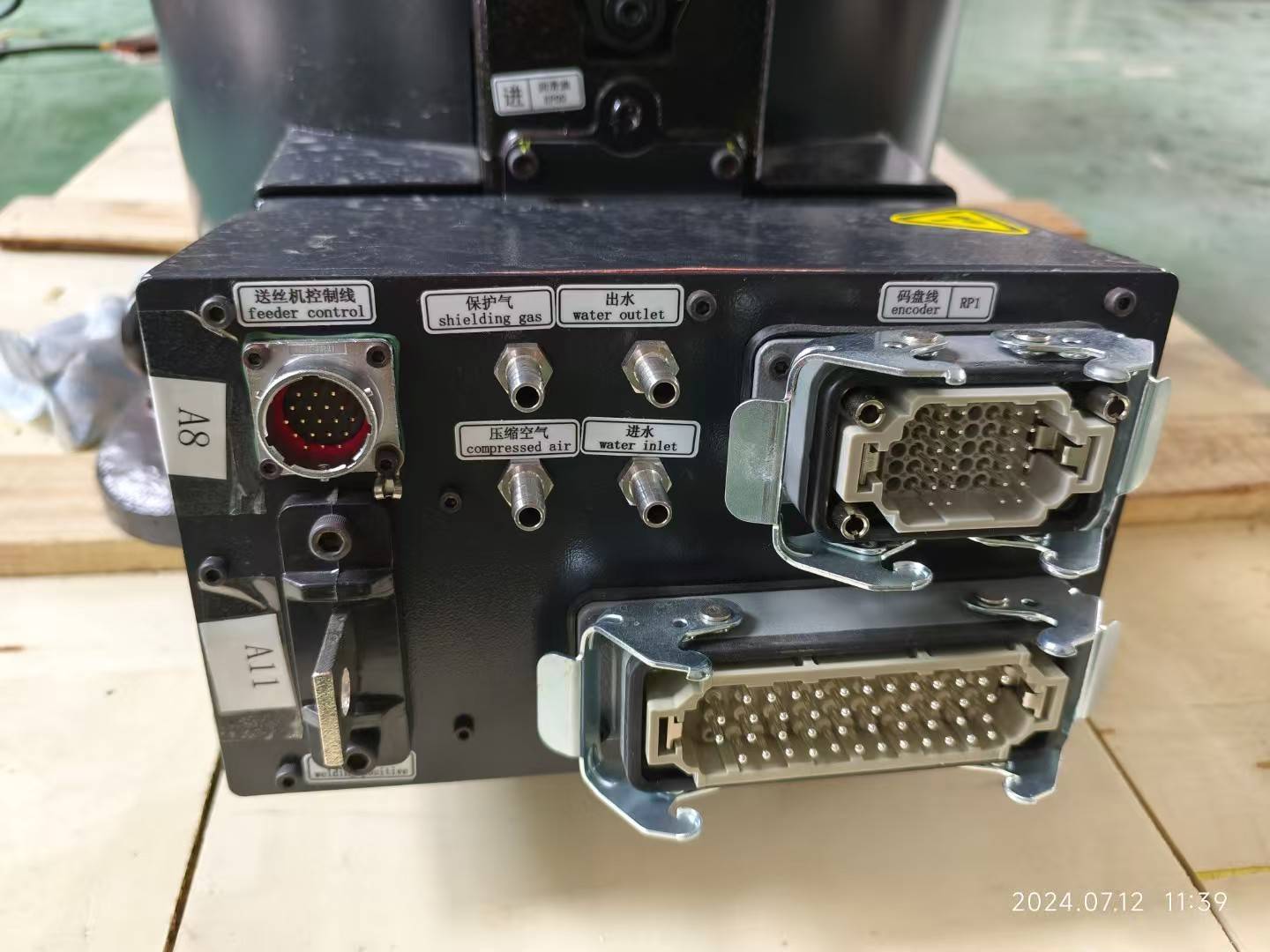
At 20kW, the energy density allows for a high-speed “sublimation-adjacent” melting process. The kerf width is significantly narrower (0.4mm – 0.6mm depending on material thickness) compared to plasma (3.0mm+). This concentration of energy ensures that the thermal gradient stays steep and localized. For the shipbuilding yard in Charlotte, this means that structural components can move directly from the laser bed to the welding station without the need for secondary edge grinding or mechanical deslagging, reducing labor hours by approximately 35% per structural assembly.
2.1. Assist Gas Dynamics and Edge Quality
In this 20kW configuration, we utilize a high-pressure nitrogen/oxygen mixing manifold. For carbon steel profiles exceeding 16mm, the use of high-pressure oxygen assist allows for “fast-cutting” speeds that were previously unattainable. The laminar flow nozzles integrated into the system prevent turbulence at the exit point, ensuring that the dross-free frequency remains high even when navigating the complex radii of bulb flats used in ship hull reinforcement.
3. Zero-Waste Nesting: Algorithmic Logic and Material Utilization
In heavy steel processing, material costs account for nearly 60-70% of the total project expenditure. The “Zero-Waste Nesting” technology implemented here utilizes a proprietary “Skeleton-Free” algorithm. Unlike traditional nesting, which requires a minimum remnant web (webbing) between parts to maintain sheet/profile rigidity, this system uses common-line cutting and micro-joint optimization to utilize the entire surface area of the profile.
3.1. Common-Line Cutting (CLC) in Profiles
In the Charlotte facility, where large quantities of L-profiles are processed for bulkhead stiffeners, the Zero-Waste Nesting software calculates shared paths for adjacent parts. By utilizing a single pierce to cut the tail of one part and the head of the next, the system reduces pierce cycles—which are the highest wear events for the focal lens—while eliminating the “dead space” between components. This results in a material utilization rate of up to 98.5%, compared to the industry standard of 84%.
3.2. Kerf Compensation and Part-in-Part Logic
The nesting engine performs real-time kerf compensation. As the 20kW laser processes thicker sections, the algorithm adjusts the beam offset to account for the slight taper inherent in high-power cutting. Furthermore, the system identifies “cut-outs” or “slugs” from larger structural windows (such as manholes or pipe penetrations) and automatically nests smaller bracketry or reinforcement plates within those voids. This “Part-in-Part” logic is essential for the high-volume throughput required in modern shipbuilding.
4. Synergy Between 20kW Laser and Automatic Structural Processing
The “Universal” designation of this system refers to its ability to handle non-linear profiles. In Charlotte’s shipyard operations, the transition from 2D plate cutting to 3D profile processing is often a bottleneck. The 20kW system addresses this through an integrated 6-axis robotic kinematic chain that synchronized with the laser’s firing frequency.
4.1. 3D Beveling for Weld Preparation
Shipbuilding requires complex V, Y, and K-groove weld preparations. The synergy between the 20kW source and the 3D cutting head allows for the simultaneous cutting of the profile and the application of the weld bevel. This eliminates the need for secondary beveling machines. The precision of the 20kW beam ensures that the root face of the bevel is consistent within ±0.1mm, a requirement for automated robotic welding systems currently being deployed in the Charlotte yard.
4.2. Automated Material Tracking and Calibration
The system is equipped with an automated touch-probe and laser scanning array. Before the 20kW beam is initiated, the system scans the profile to detect any structural deviations (bow, twist, or camber) common in hot-rolled steel. The nesting software then “warps” the cutting path in real-time to match the actual geometry of the steel, ensuring that the zero-waste algorithm remains accurate even on imperfect raw materials.
5. Impact on Shipbuilding Yard Operations in Charlotte
The specific requirements of the Charlotte shipbuilding sector—focused largely on Jones Act-compliant vessels and inland waterway barges—demand high repeatability. The implementation of the 20kW Universal Profile Steel Laser System has shifted the production paradigm in three key areas:
5.1. Reduction in Lead Times
By combining piercing, cutting, marking, and beveling into a single station, the lead time for a standard bulkhead stiffener kit has been reduced from 14 hours to 4.5 hours. The 20kW laser’s ability to maintain high feed rates (up to 4m/min on 20mm DH36) is the primary driver of this efficiency.
5.2. Dimensional Metrology and Assembly Accuracy
In ship assembly, “fit-up” is the most labor-intensive phase. If profiles are not cut to exact tolerances, significant “fairing” (manual heating and hammering) is required. The 20kW laser system maintains a dimensional tolerance of ±0.15mm over a 12-meter span. This level of precision ensures that prefabricated modules align perfectly during the “grand block” assembly phase, significantly reducing the use of overhead cranes and temporary bracing.
5.3. Environmental and Economic Sustainability
The Zero-Waste Nesting technology directly impacts the Charlotte yard’s bottom line by reducing scrap handling costs. Lower scrap volume means fewer logistical movements for recycling bins and a lower carbon footprint for the facility. Furthermore, the 20kW fiber laser is significantly more energy-efficient than older CO2 or plasma systems, boasting a wall-plug efficiency of approximately 40%.
6. Conclusion and Engineering Outlook
The integration of the 20kW Universal Profile Steel Laser System with Zero-Waste Nesting represents the current pinnacle of structural steel fabrication. For the Charlotte shipbuilding yard, the technical advantages—minimal HAZ, extreme dimensional precision, and near-total material utilization—provide a decisive competitive edge. Future optimizations will focus on the integration of AI-driven predictive maintenance for the 20kW optical chain and the further refinement of nesting algorithms to include grain-direction constraints for high-stress naval components.
The data collected from the initial 1,000 hours of operation indicates a 40% increase in overall shipyard throughput and a 12% reduction in total steel procurement costs. This system is no longer an optional upgrade but a foundational requirement for modern, high-efficiency maritime construction.













