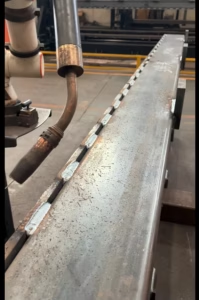
The Evolution of 20kW laser cutting in Puebla’s Industrial Sector
The industrial landscape of Puebla, Mexico, has undergone a radical transformation over the last decade. As one of the country’s most vital manufacturing hubs—anchored by the automotive giants and a robust construction sector—the demand for high-precision, high-volume metal fabrication has never been greater. At the center of this evolution is the 20kW fiber laser cutting system. This ultra-high-power technology has redefined the boundaries of what is possible in sheet metal processing, particularly when dealing with carbon steel, the backbone of regional infrastructure and automotive assembly.
For engineering firms and metal service centers in Puebla, transitioning to a 20kW platform is not merely an upgrade in wattage; it is a fundamental shift in production capacity. While lower-power lasers (4kW to 10kW) are efficient for thin gauges, the 20kW fiber laser introduces a level of throughput and thickness capability that previously required plasma cutting or heavy mechanical shearing. In the context of carbon steel, this power level allows for unprecedented speeds on medium-thickness plates and the ability to achieve clean, perpendicular cuts on sections exceeding 50mm.
The Technical Advantage of 20kW Power Density
The core advantage of a 20kW system lies in its power density. In laser cutting, the ability to concentrate 20,000 watts of energy into a focal spot measured in microns allows for instantaneous sublimation of carbon steel. This high energy density means the “dwell time” of the beam on any single point is minimized, which significantly reduces the Heat Affected Zone (HAZ). For engineers in Puebla’s automotive supply chain, a smaller HAZ translates to better structural integrity and less material deformation, ensuring that components meet stringent international quality standards.
Furthermore, the 20kW fiber source provides a significant advantage in piercing speeds. On thick carbon steel plates, the piercing process often accounts for a substantial portion of the total cycle time. With 20kW of power, “flash piercing” techniques can be employed, reducing the time it takes to penetrate a 25mm plate from several seconds to a fraction of a second. This efficiency gain is compounded across a full nest of parts, leading to a dramatic increase in daily output.
Processing Carbon Steel: Material Dynamics and Assist Gases
Carbon steel is the most widely processed material in Puebla’s workshops. From A36 structural steel to high-strength low-alloy (HSLA) variants used in truck chassis, the material’s response to laser cutting is highly dependent on its chemical composition and surface finish. When utilizing a 20kW laser, the choice of assist gas—typically Oxygen, Nitrogen, or High-Pressure Air—becomes a strategic decision based on the desired finish and cost-per-part.
Oxygen Cutting for Thick Sections
For carbon steel thicknesses above 12mm, Oxygen remains the traditional choice for assist gas. The Oxygen reacts exothermically with the iron in the steel, adding thermal energy to the cutting process. This allows the 20kW laser to cut through very thick sections (up to 70mm in some configurations) at steady speeds. However, the trade-off is the formation of an oxide layer on the cut edge. In Puebla’s manufacturing ecosystem, where many parts move directly from the laser to the welding or painting station, this oxide layer must often be removed to ensure proper coating adhesion.
Nitrogen and High-Pressure Air: The High-Speed Alternative
The true “game changer” for 20kW laser cutting in carbon steel is the ability to use Nitrogen or High-Pressure Air for thicknesses that were previously restricted to Oxygen. With 20kW of raw power, the machine can “brute force” the melt through the kerf without the need for an exothermic reaction. Nitrogen cutting results in a bright, oxide-free edge, eliminating the need for secondary cleaning processes. This is particularly valuable for Puebla’s Tier-1 automotive suppliers who require “paint-ready” parts straight off the machine bed.
High-pressure air cutting is also gaining traction as a cost-effective alternative. By utilizing a dedicated high-pressure compressor and filtration system, fabricators can achieve speeds comparable to Nitrogen cutting while significantly reducing the overhead costs associated with liquid gas consumption.
Strategic Importance for Puebla’s Automotive and Construction Hubs
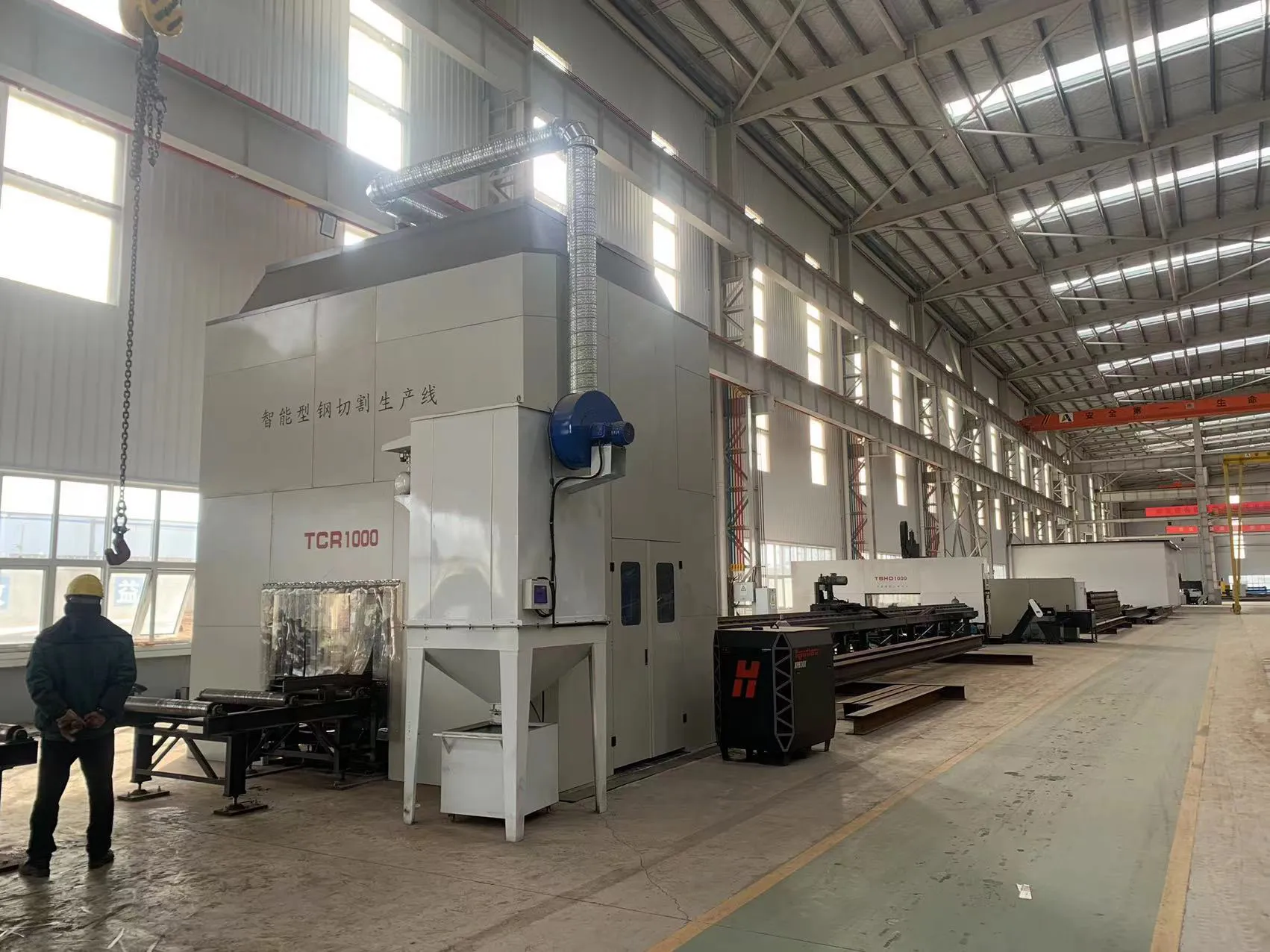
Puebla is home to some of the most sophisticated manufacturing plants in Latin America. The presence of Volkswagen de México and Audi Mexico has created a massive ripple effect, requiring a local supply chain capable of delivering precision-engineered carbon steel components. A 20kW laser cutting machine provides the versatility needed to switch between high-speed thin-gauge production (such as brackets and internal panels) and heavy-duty plate fabrication (such as assembly line jigs and structural supports).
Meeting Tight Tolerances in Heavy Plate
In the construction sector, particularly for the large-scale infrastructure projects currently underway in Central Mexico, the precision of 20kW laser cutting is replacing traditional methods. Unlike plasma cutting, which often leaves a bevel or “taper” on thick carbon steel, the 20kW fiber laser maintains exceptional beam verticality. This means that bolt holes in 20mm or 30mm base plates are perfectly cylindrical and ready for assembly without the need for reaming or drilling.
Optimizing ROI in the Mexican Market
Investing in a 20kW system in Puebla requires a detailed Return on Investment (ROI) analysis. While the initial capital expenditure is higher than lower-wattage machines, the cost-per-part is significantly lower in high-volume environments. The increased cutting speed means that one 20kW machine can often replace two or even three 6kW machines, reducing the required floor space, labor costs, and energy footprint. In a competitive market like Puebla, where margins are tight, this operational efficiency is a critical competitive advantage.
Maintenance and Environmental Considerations in Puebla
Operating high-power laser cutting equipment in the specific climate of Puebla requires attention to environmental factors. The region’s altitude (over 2,000 meters above sea level) and fluctuating humidity can affect the performance of the cooling systems and the purity of the compressed air used in the cutting process.
Chiller Calibration and Thermal Management
A 20kW fiber laser generates a significant amount of heat within the resonator and the cutting head. High-efficiency dual-circuit chillers are mandatory. In Puebla, these chillers must be calibrated to handle the thinner air at high altitudes, which can impact heat exchange efficiency. Ensuring that the laser source remains at a constant temperature is vital for maintaining beam stability and preventing “mode shift,” which can degrade cut quality over long production runs.
Optical Integrity and Dust Control
Carbon steel laser cutting, especially when using oxygen, produces a significant amount of dust and metallic fumes. In a busy Puebla workshop, maintaining the integrity of the cutting head’s protective windows is the most frequent maintenance task. A 20kW beam will instantly destroy any optic that has even a microscopic speck of dust on it. Therefore, high-quality dust extraction systems and “clean-room” protocols for lens replacement are essential for maximizing the uptime of the laser cutting system.
The Future of Metal Fabrication in the Region
As we look toward the future of manufacturing in Puebla, the role of 20kW laser cutting will only expand. We are seeing a trend toward full automation, where the laser is integrated with automated loading and unloading towers. This allows for “lights-out” manufacturing, where the machine continues to process carbon steel sheets throughout the night with minimal human intervention.
Furthermore, the integration of AI-driven nesting software is allowing Puebla’s fabricators to minimize material waste. Given the fluctuating prices of carbon steel in the global market, the ability to squeeze every possible part out of a 6×2 meter sheet is essential for profitability. The precision of the 20kW beam allows for tighter nesting (smaller webs between parts) than is possible with plasma or lower-power lasers.
Conclusion
The 20kW sheet metal laser represents the pinnacle of current fabrication technology. For the industrial sector in Puebla, it offers a path to higher productivity, superior part quality, and a broader range of service offerings. By mastering the nuances of carbon steel processing—from gas selection to thermal management—local manufacturers can position themselves at the forefront of the North American supply chain. As the demand for faster, cleaner, and more precise laser cutting continues to grow, the 20kW fiber laser will remain the definitive tool for those looking to lead the market.