Introduction to 1.5kW laser cutting of Brass in Toluca’s Industrial Sector
The industrial landscape of Toluca, State of Mexico, has long been a cornerstone of the nation’s manufacturing prowess. As a hub for automotive, aerospace, and electronics production, the demand for precision metal components is exceptionally high. Among the various technologies driving this sector, the 1.5kW fiber laser has emerged as a versatile and efficient tool for sheet metal fabrication. Specifically, the processing of brass—a material prized for its conductivity, corrosion resistance, and aesthetic appeal—requires a sophisticated understanding of laser dynamics and material science.
Laser cutting brass presents unique challenges compared to carbon steel or stainless steel. As a “yellow metal,” brass is highly reflective and possesses high thermal conductivity. A 1.5kW power rating is often considered the “sweet spot” for small to medium-sized enterprises in Toluca, offering a balance between capital investment and the capability to handle the gauges most commonly required in electrical and decorative applications. This guide explores the technical nuances of operating a 1.5kW sheet metal laser system specifically for brass within the unique environmental and industrial context of Toluca.
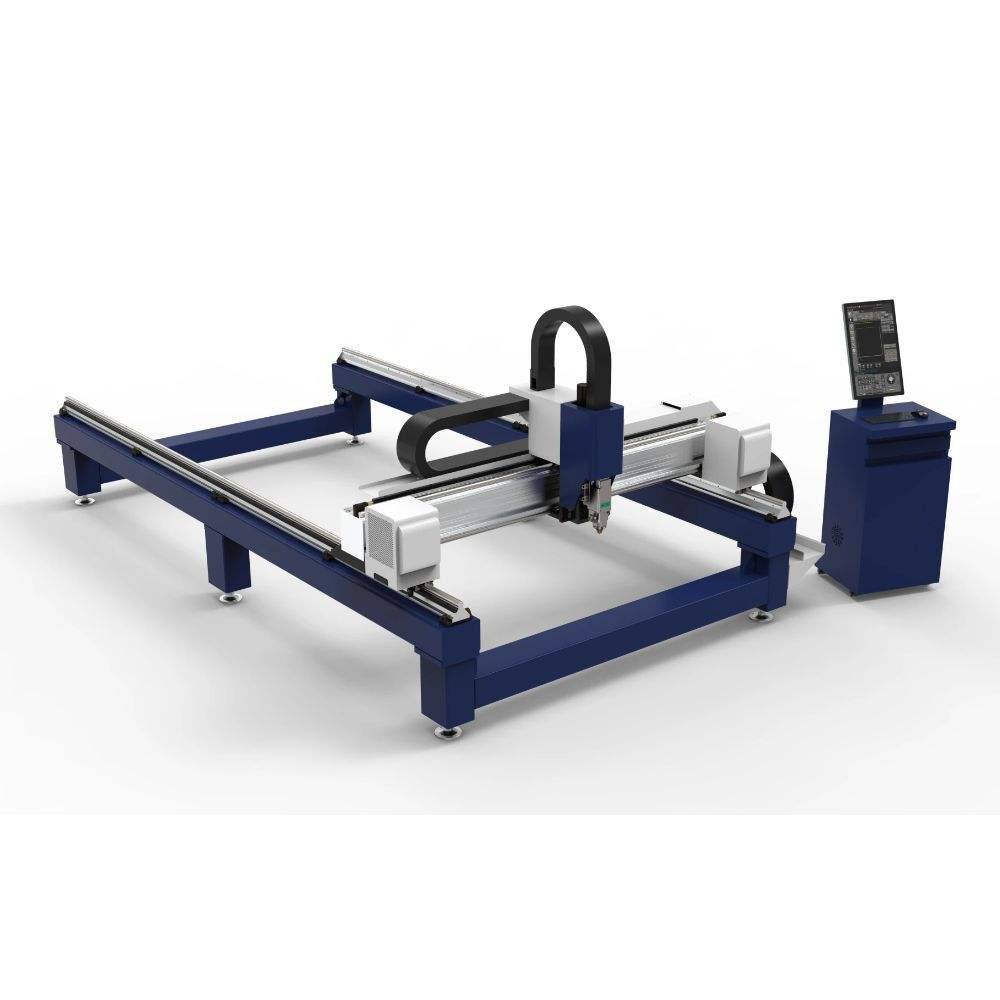
Technical Specifications of the 1.5kW Fiber Laser
The 1.5kW fiber laser utilizes a solid-state gain medium, typically ytterbium-doped fibers, to generate a high-intensity beam with a wavelength of approximately 1.07 microns. This wavelength is critical for brass fabrication. Unlike older CO2 lasers, whose 10.6-micron wavelength is largely reflected by non-ferrous metals, the shorter wavelength of the fiber laser is more readily absorbed by brass, allowing for efficient energy transfer and melting.
In a 1.5kW configuration, the machine is optimized for sheet metal thicknesses ranging from 0.5mm to 5mm for brass. While higher power sources (3kW or 6kW) can cut thicker sections, the 1.5kW system provides superior beam quality (M² factor) for thinner gauges, resulting in a narrower kerf width and a smaller heat-affected zone (HAZ). For manufacturers in Toluca’s industrial parks, such as Exportec or Parque Industrial Lerma, this precision is vital for producing intricate electrical connectors or high-tolerance mechanical shims.
The Physics of Brass and Reflectivity Challenges
Brass is an alloy primarily composed of copper and zinc. From a laser cutting perspective, its high reflectivity is the primary obstacle. At the start of the cut, the polished surface of a brass sheet can act as a mirror, potentially reflecting the laser beam back into the delivery optics. This “back-reflection” can cause catastrophic damage to the laser source or the cutting head if the system is not properly protected.
Modern 1.5kW fiber lasers are equipped with optical isolators and back-reflection sensors that automatically shut down the beam if dangerous levels of reflected light are detected. Furthermore, the high thermal conductivity of brass means that heat is rapidly dissipated away from the cut zone. This requires a high power density at the focal point to maintain a stable melt pool. In the high-altitude environment of Toluca (approximately 2,660 meters above sea level), atmospheric pressure and oxygen levels can slightly influence the cooling rates and gas dynamics, requiring fine-tuning of the cutting parameters compared to sea-level operations.
Optimizing Cutting Parameters for Brass
Achieving a clean, dross-free edge on brass requires precise control over several variables. When using a 1.5kW system, the following parameters are critical:
- Assist Gas Selection: For brass, Nitrogen is the preferred assist gas. It acts as a mechanical force to blow the molten metal out of the kerf while preventing oxidation, resulting in a bright, clean edge. Oxygen can be used to increase cutting speed in thicker sections by introducing an exothermic reaction, but it leaves a dark oxide layer that usually requires post-processing.
- Focal Position: Unlike steel, where the focus is often on the surface or slightly above, brass often requires a negative focal position (focusing inside the material). This ensures that the maximum energy density is maintained throughout the thickness of the sheet.
- Nozzle Geometry: A double-layer nozzle is typically used for brass to provide a stable and concentrated flow of assist gas. The nozzle diameter should be closely matched to the material thickness to maintain gas pressure.
- Frequency and Duty Cycle: In “pulse cutting” modes, which are often used for intricate geometries in brass, the frequency and duty cycle must be balanced to prevent overheating the material, which can lead to “self-burning” or melting of fine features.
Industrial Applications in Toluca
The strategic location of Toluca makes it a hub for various industries that utilize brass sheet metal. The automotive sector, represented by major OEMs and Tier 1 suppliers in the region, uses laser-cut brass for radiator components, bushings, and decorative interior trim. The 1.5kW laser’s ability to produce these parts with minimal setup time makes it ideal for Just-In-Time (JIT) manufacturing cycles prevalent in the State of Mexico.
Furthermore, Toluca has a growing electronics and telecommunications manufacturing base. Brass is an essential material for RF shielding, connectors, and busbars due to its excellent electrical conductivity. The precision of the 1.5kW laser cutting process allows for the production of micro-components that would be difficult or expensive to stamp with traditional tooling, especially for low-to-medium volume production runs.
Maintenance and Environmental Factors in the State of Mexico
Operating a laser cutting system in Toluca requires consideration of the local environment. The high altitude means the air is thinner, which can affect the efficiency of air-cooled chillers. It is imperative that the chiller unit for a 1.5kW laser is appropriately sized for the altitude to ensure the laser source and cutting head remain at a constant operating temperature. Fluctuations in temperature can lead to beam instability and inconsistent cut quality in reflective materials like brass.
Dust management is another critical factor. Toluca’s industrial zones can be dusty, and fiber lasers are extremely sensitive to contamination. The protective window (cover glass) of the cutting head must be inspected and cleaned in a clean-room environment daily. Even a tiny speck of dust on the lens can absorb the 1.5kW of energy, causing the lens to crack or explode, leading to expensive downtime.
Cost-Efficiency of the 1.5kW System
For many workshops in Toluca, a 1.5kW laser represents the most cost-effective entry point into high-quality brass fabrication. While 3kW or 12kW machines offer higher speeds, their higher electricity consumption and initial purchase price may not be justified for shops primarily focused on sheet metal under 4mm. The 1.5kW system has a lower “cost per part” for thin-gauge brass because it operates at high efficiency with lower gas consumption.
Additionally, the maintenance costs for a 1.5kW fiber laser are significantly lower than those of CO2 lasers. There are no mirrors to align and no laser gas (He, CO2, N2) required for beam generation. This simplicity allows Toluca-based manufacturers to maintain high uptime and competitive pricing in a global market.
Safety Protocols for Reflective Metal Cutting
Safety is paramount when laser cutting brass. Because of the potential for back-reflection, operators must ensure that the machine’s enclosure is fully light-tight and that the viewing windows are rated for the specific wavelength of the fiber laser (OD7+ rating for 1070nm). In Toluca, where industrial safety standards (NOM – Normas Oficiales Mexicanas) are strictly enforced, ensuring that the laser system meets international safety standards (such as CE or FDA) is essential for compliance and worker protection.
Operators should also be trained to recognize the signs of a failing protective window. A change in the sound of the cut or the appearance of sparks on the surface of the brass can indicate that the beam is being diffused by a contaminated lens. Promptly stopping the machine can save thousands of dollars in repairs.
Conclusion: The Future of Metalworking in Toluca
The integration of 1.5kW fiber laser technology into Toluca’s manufacturing sector has transformed how brass is processed. The ability to move from a CAD drawing to a finished brass part in minutes, without the need for physical dies or templates, provides a massive competitive advantage. As the region continues to attract foreign investment and modernize its industrial infrastructure, the role of precision laser cutting will only grow.
For engineers and shop managers in Toluca, mastering the 1.5kW laser for brass fabrication is not just about understanding the machine, but about understanding the interplay between light and material. By optimizing gas flow, managing reflectivity, and accounting for the local environmental conditions, Toluca’s fabricators can continue to produce world-class components for the global supply chain, solidifying the city’s reputation as a center of engineering excellence.













