Introduction to 1.5kW Fiber Laser Technology in Mexico City
In the heart of Mexico’s industrial landscape, Mexico City (CDMX) and its surrounding metropolitan areas have seen a significant shift toward high-precision manufacturing. The adoption of fiber laser cutting technology has become a cornerstone for local workshops and large-scale fabricators alike. Specifically, the 1.5kW precision laser system represents an optimal balance between capital investment and operational capability. For engineers and facility managers in the Valley of Mexico, understanding the nuances of this power level—especially when applied to challenging materials like galvanized steel—is essential for maintaining a competitive edge in the North American supply chain.
The 1.5kW fiber laser is engineered to provide high-speed processing of thin to medium-gauge metals. In a high-altitude environment like Mexico City, which sits at approximately 2,240 meters above sea level, thermal dynamics and gas physics behave differently than at sea level. This guide explores the technical parameters, environmental considerations, and material-specific strategies required to master 1.5kW laser cutting for galvanized steel within this unique geographic context.
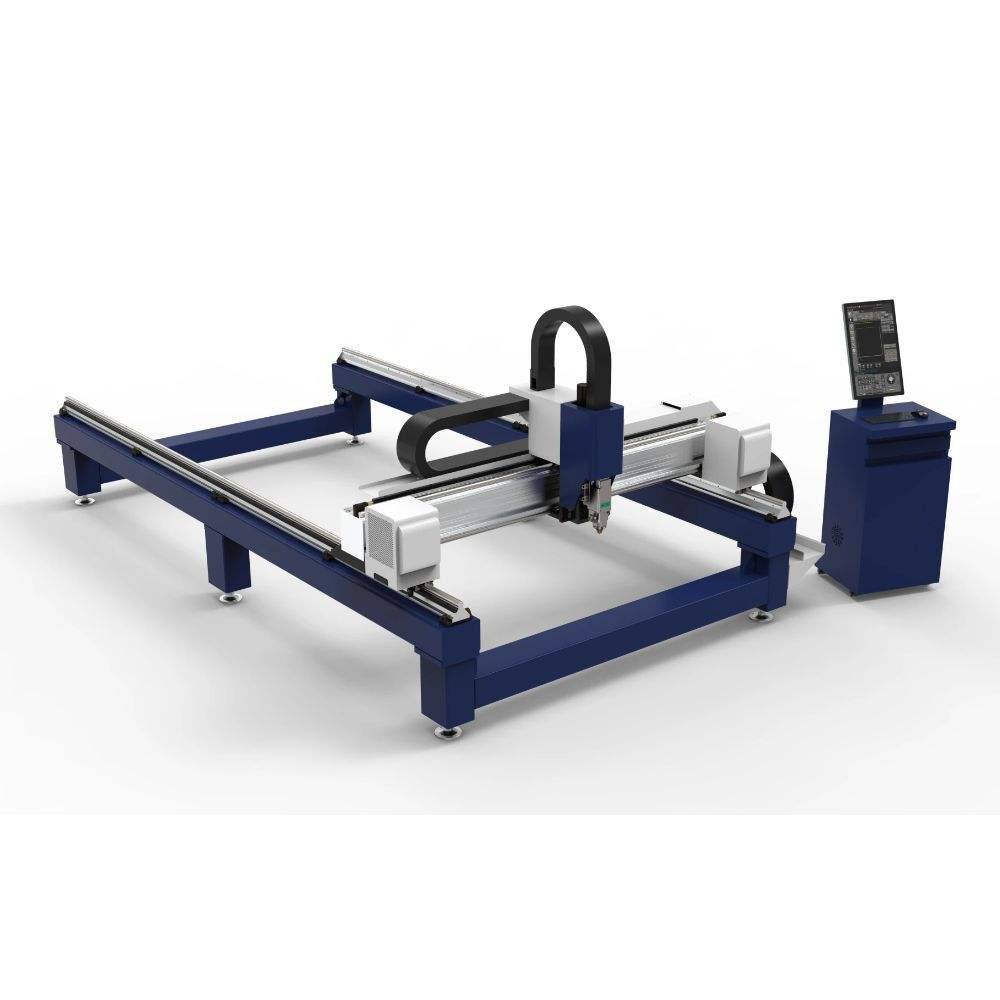 laser cutting machine” style=”width: 100%; max-width: 800px; height: auto; margin: 20px 0;”>
Understanding the 1.5kW Power Threshold for Galvanized Steel
Galvanized steel is a preferred material in the Mexican construction and automotive sectors due to its superior corrosion resistance. However, the very coating that protects the steel—a layer of zinc—presents significant challenges during the laser cutting process. Zinc has a much lower melting point (approx. 419°C) than the underlying carbon steel (approx. 1,500°C). When the 1.5kW laser beam interacts with the material, the zinc vaporizes rapidly, which can interfere with the stability of the cut and lead to dross formation or “spatter.”
Material Characteristics and Laser Interaction
At 1.5kW, the energy density is sufficient to achieve high-speed sublimation of the steel substrate up to 4mm or 5mm in thickness. When processing galvanized sheets, the precision of the 1.5kW system allows for a narrow kerf width, minimizing the heat-affected zone (HAZ). This is critical because excessive heat can strip the protective zinc layer too far back from the cut edge, leaving the steel vulnerable to oxidation—a common issue in the humid summer months of Mexico City.
The Impact of Mexico City’s Altitude on Laser Cutting Operations
Engineering a laser cutting workflow in Mexico City requires accounting for the reduced atmospheric pressure. At 2,240 meters, the air is roughly 20-25% less dense than at sea level. This affects the system in three primary ways: gas dynamics, cooling efficiency, and beam path stability.
Atmospheric Pressure and Assist Gas Dynamics
The assist gas (typically Nitrogen or Oxygen) plays a dual role: it clears the molten material from the kerf and, in the case of Oxygen, adds exothermic energy to the cut. In the lower pressure environment of CDMX, the flow characteristics of the gas through the nozzle change. Engineers must often compensate by slightly increasing the gas pressure (measured in bars) to ensure the same kinetic energy is applied to the melt pool as would be required at sea level. For a 1.5kW system cutting galvanized steel, achieving a laminar flow is vital to prevent the vaporized zinc from being blown back onto the protective window of the laser head.
Cooling System Efficiency
Fiber lasers are highly efficient, but the 1.5kW resonator and the optical head still generate significant heat. Chiller units operating in Mexico City face reduced heat exchange efficiency due to the thinner air. It is standard engineering practice in the region to spec chillers with a slightly higher BTU rating than required at sea level to ensure the 1.5kW system maintains a constant operating temperature, preventing “thermal drift” which can degrade the precision of the laser cutting process over long production shifts.

Technical Configuration for Optimal Results
To achieve a “clean” cut on galvanized steel using a 1.5kW system, specific technical parameters must be dialed in. The goal is to manage the vaporization of the zinc layer while maintaining a high feed rate to minimize the thermal impact on the substrate.
Assist Gas Selection: Nitrogen vs. Oxygen
For most precision applications in Mexico City, Nitrogen is the preferred assist gas for galvanized steel. Using Nitrogen at high pressure (12-16 bar) allows for a high-speed “cold” cut. Since Nitrogen is inert, it prevents the oxidation of the cut edge, which is essential if the parts are to be painted or powder-coated later—a common requirement in the local appliance and furniture industries. While Oxygen can be used to cut thicker galvanized plates at 1.5kW, it often results in a charred edge and increased zinc fume production, which can be detrimental to the machine’s optics.
Nozzle Selection and Focus Position
A double-layer nozzle is frequently recommended for 1.5kW laser cutting of galvanized materials. This design helps stabilize the gas flow and protects the internal components from back-spatter. Regarding the focus position, for thin galvanized sheets (1mm – 2mm), a slightly negative focus (inside the material) is often used to widen the bottom of the kerf, ensuring that the zinc and steel melt are ejected cleanly without leaving a “beard” or dross on the underside of the part.
Maintenance Protocols in High-Altitude Industrial Zones
Reliability in a 1.5kW system is a product of rigorous maintenance, especially in the dusty environments often found in industrial sectors like Iztapalapa or Vallejo. The combination of high altitude and local particulate matter necessitates a strict schedule for optical cleaning and filtration replacement.
Optical Integrity
The protective window is the most vulnerable component when laser cutting galvanized steel. Zinc vapor is highly reflective and can settle on the lens, leading to rapid heat absorption and eventual cracking of the glass. In Mexico City’s industrial zones, the air filtration systems must be checked weekly. Using medical-grade Nitrogen or high-purity compressed air (Class 1.4.1 or better) is mandatory to prevent oil or moisture from contaminating the beam path, which is a heightened risk in the city’s variable humidity.
Safety and Environmental Compliance in Mexico City
The Mexican Secretariat of the Environment (SEDEMA) and other local regulatory bodies have specific standards regarding industrial emissions. Laser cutting galvanized steel produces zinc oxide fumes, which are toxic if inhaled and can cause “metal fume fever.”
Fume Extraction and Zinc Oxide Management
A 1.5kW system must be paired with a high-capacity dust collector and filtration unit. In the thinner air of Mexico City, the fan motors in extraction units may run hotter or move less air volume. It is critical to ensure the extraction system is rated for the specific volume of the laser’s work envelope. Furthermore, because zinc dust is conductive, the internal filtration system must be grounded to prevent static discharge and potential dust explosions, a critical safety protocol for any precision engineering facility.
Electrical Stability and Power Conditioning
The electrical grid in certain parts of Mexico City can experience voltage fluctuations. For a precision 1.5kW fiber laser, these fluctuations can lead to inconsistencies in the beam quality or even damage the sensitive diode modules. Installing a dedicated voltage regulator and a UPS (Uninterruptible Power Supply) is a standard engineering recommendation to protect the investment and ensure that the laser cutting process is not interrupted, which would scrap expensive galvanized workpieces.
Economic Advantages for Mexican Fabricators
From an economic perspective, the 1.5kW laser system offers a rapid Return on Investment (ROI) for shops specializing in HVAC ducting, electrical enclosures, and automotive brackets. Compared to traditional CO2 lasers or plasma cutting, the fiber laser reduces electricity consumption by up to 70% and significantly increases throughput on gauges thinner than 6mm.
In the competitive “nearshoring” environment currently driving the Mexican economy, the ability to deliver high-precision, dross-free galvanized parts is a major advantage. The 1.5kW system allows for intricate geometries and tight tolerances that meet international standards (ISO 9001), enabling local manufacturers to serve as Tier 2 and Tier 3 suppliers to global OEMs located in the Bajío region and Northern Mexico.
Conclusion: Mastering the 1.5kW System
Operating a 1.5kW precision laser system for galvanized steel in Mexico City requires a sophisticated understanding of both the technology and the environment. By adjusting for altitude-related gas dynamics, implementing robust cooling strategies, and maintaining a strict focus on optical cleanliness, fabricators can achieve world-class results. The 1.5kW fiber laser is more than just a tool; it is a high-precision instrument that, when tuned to the specific atmospheric and material conditions of the Valley of Mexico, provides unparalleled efficiency and quality in the field of laser cutting.
As the industry continues to evolve, the integration of automation and real-time monitoring with these 1.5kW systems will further solidify Mexico City’s position as a hub for advanced manufacturing. For the professional engineer, the path forward is clear: embrace the technical nuances of the fiber laser to unlock the full potential of galvanized steel fabrication.













