Optimizing 1.5kW Precision Laser Systems for Aluminum Alloy Fabrication in Toluca
The industrial landscape of Toluca, State of Mexico, has undergone a significant transformation over the last decade. As one of Mexico’s primary manufacturing hubs, the region demands high-efficiency solutions to support its robust automotive, aerospace, and electronics sectors. Among the most critical technologies driving this evolution is the 1.5kW precision fiber laser system. This power range has emerged as the “sweet spot” for small to medium-sized enterprises (SMEs) and specialized fabrication shops focusing on aluminum alloy components. laser cutting technology, particularly at the 1.5kW threshold, offers a unique balance of speed, precision, and operational cost-effectiveness that is essential for the competitive Toluca market.
Technical Specifications of the 1.5kW Fiber Laser Oscillator
The heart of the precision system is the 1.5kW fiber laser source. Unlike traditional CO2 lasers, fiber lasers utilize an optical fiber doped with rare-earth elements as the gain medium. For aluminum alloy processing, the 1.06-micron wavelength of the fiber laser is particularly advantageous. Aluminum is a highly reflective material; however, at this specific wavelength, the absorption rate is significantly higher than that of CO2 lasers (10.6 microns). This allows a 1.5kW system to achieve penetration and cutting speeds that would require much higher power in older technologies.
A 1.5kW system typically features a high-quality beam with a low M2 factor, ensuring that the energy is concentrated into a microscopic focal point. This concentration is vital for laser cutting aluminum, as the material’s high thermal conductivity tends to dissipate heat rapidly away from the cut zone. By concentrating 1500 watts of power into a tiny area, the system overcomes the thermal “heat sink” effect of the alloy, resulting in a narrow kerf and a minimal heat-affected zone (HAZ).
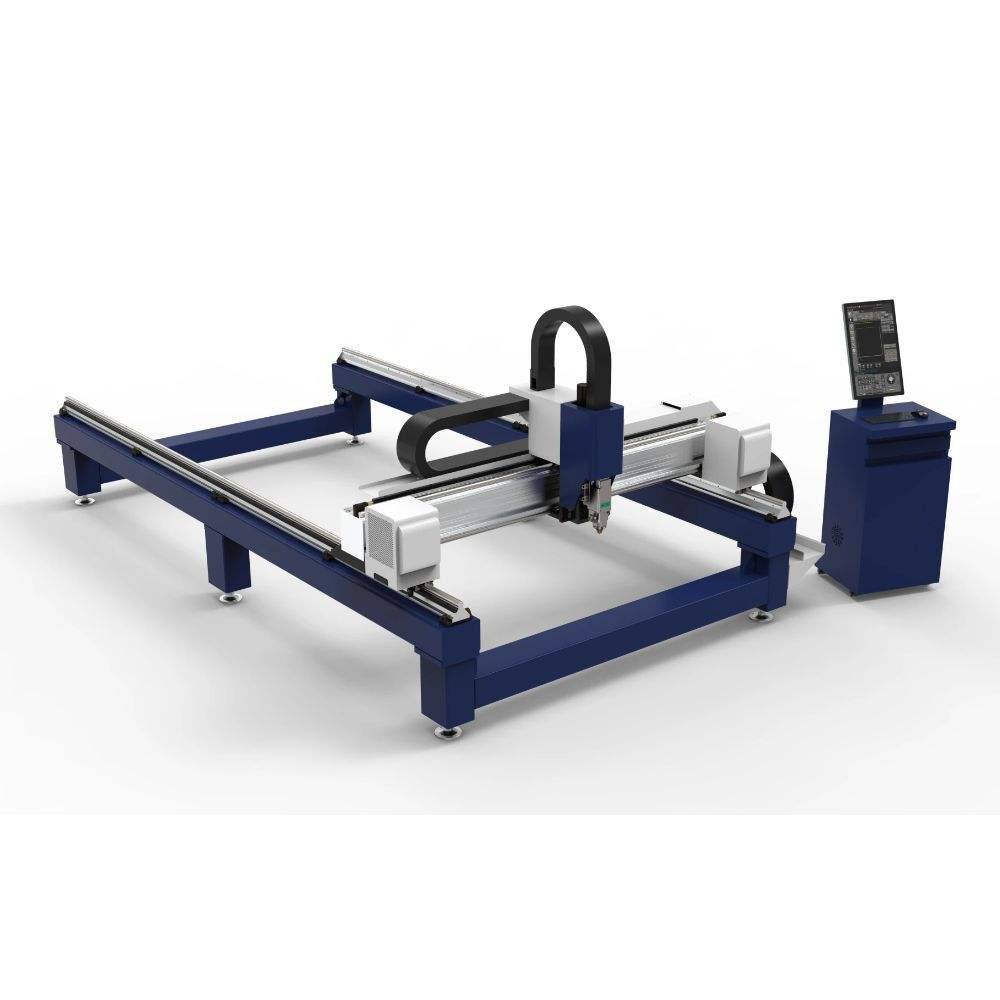 laser cutting machine“>
The Challenges of Aluminum Alloy in Precision Fabrication
Processing aluminum alloys presents unique metallurgical challenges. Alloys such as the 5000 series (magnesium-based) and 6000 series (silicon and magnesium-based) are staples in Toluca’s automotive supply chain. These materials are prized for their strength-to-weight ratio and corrosion resistance but are notoriously difficult for standard laser cutting processes due to two primary factors: reflectivity and thermal diffusivity.
Reflectivity is a major concern for the longevity of the laser source. When the laser beam hits a polished aluminum surface, a portion of the energy can be reflected back into the delivery fiber, potentially damaging the optical components. Modern 1.5kW precision systems are equipped with back-reflection isolation technology, which protects the oscillator from these “back-strikes.” Furthermore, the high thermal conductivity of aluminum means that the material acts as a radiator, pulling heat away from the incision. To maintain a clean cut, the 1.5kW system must utilize high-pressure assist gases and precise focal positioning to ensure the molten material is ejected before it can solidify or transfer excessive heat to the surrounding plate.
Environmental Considerations: The Toluca Factor
Operating a precision laser system in Toluca requires an understanding of the local environment. Situated at an altitude of approximately 2,660 meters (8,730 feet) above sea level, Toluca presents a lower atmospheric pressure and lower oxygen density than coastal manufacturing sites. This altitude affects the dynamics of the assist gases used in laser cutting.
For aluminum, Nitrogen is the preferred assist gas to achieve a “bright cut” or oxide-free edge. At Toluca’s altitude, the flow dynamics through the cutting nozzle change. Engineers must calibrate the gas pressure and nozzle diameter to compensate for the thinner air, ensuring that the kinetic energy of the Nitrogen stream is sufficient to clear the dross from the bottom of the cut. Additionally, the cooling systems (chillers) for a 1.5kW laser must be rated for high-altitude operation, as thinner air is less efficient at dissipating heat from the chiller’s condenser coils. Ensuring the laser operates within a stable temperature range is paramount for maintaining beam consistency and precision.
Optimal Parameters for 1.5kW Laser Cutting
To achieve peak performance on aluminum alloys, the 1.5kW system must be tuned with specific parameters. For a standard 3mm 5052 aluminum sheet, the following settings are generally recommended as a baseline for Toluca-based operators:
- Cutting Speed: Typically ranges between 2.5 to 4.0 meters per minute, depending on the specific alloy and desired edge quality.
- Assist Gas: Nitrogen at pressures of 12 to 16 bar. This prevents oxidation and ensures the edge is weld-ready without secondary processing.
- Nozzle Type: Double-layer nozzles are often preferred for their ability to stabilize gas flow at higher pressures.
- Focus Position: Unlike carbon steel, aluminum often requires a “negative focus” (focusing inside the material) to ensure the energy is distributed through the thickness of the plate effectively.
Laser cutting at 1.5kW is most efficient on aluminum thicknesses ranging from 1mm to 5mm. While the machine can cut up to 6mm or 8mm, the speed drops significantly, and the edge quality may require more post-processing. For the precision components required by Toluca’s electronics and aerospace sectors, staying within the 1mm-4mm range allows for tolerances as tight as +/- 0.05mm.

Integration into Toluca’s Automotive Supply Chain
Toluca is home to several major automotive assembly plants and Tier 1 suppliers. The 1.5kW precision laser system is ideally suited for the production of heat shields, brackets, internal housing for sensors, and decorative trim components. The ability to switch rapidly between different aluminum grades and thicknesses without changing tools makes laser cutting a superior choice over traditional stamping for short-to-medium production runs.
Furthermore, the precision of the 1.5kW fiber laser reduces the need for “finishing” departments. In many cases, parts coming off the laser bed are ready for immediate assembly or anodizing. This “lean” approach is highly valued in the Just-In-Time (JIT) manufacturing environment prevalent in the Toluca-Lerdo industrial corridor. By minimizing material waste—thanks to the narrow kerf of the laser—manufacturers can significantly reduce their raw material costs, which is a critical factor when dealing with the fluctuating prices of aluminum alloys.
Maintenance and Longevity of the Precision System
To maintain the precision required for high-end aluminum fabrication, a rigorous maintenance schedule is necessary. In the dusty industrial environments of Toluca, the filtration systems of the laser enclosure must be checked weekly. Dust particles on the protective window of the cutting head can absorb laser energy, leading to thermal distortion of the lens and a loss of focus—a phenomenon known as “thermal lensing.”
Operators must also monitor the purity of the assist gases. Even slight contamination in the Nitrogen line can lead to yellowing or dross formation on the aluminum edge. Using a high-quality gas filtration and drying system is essential. Because the 1.5kW system is often pushed to its limits when cutting thicker aluminum, the cooling water conductivity must be kept within strict microsiemens levels to prevent electrolysis within the laser source and the delivery fiber.
Economic Impact and ROI for Local Manufacturers
The investment in a 1.5kW precision laser system represents a strategic move for Toluca’s workshops. Compared to a 3kW or 6kW system, the 1.5kW model has a significantly lower entry price and lower power consumption. For shops that primarily handle aluminum sheets under 5mm, the ROI (Return on Investment) is often faster due to lower utility bills and reduced maintenance costs.
In the context of the Mexican market, where electricity costs can be a significant overhead, the energy efficiency of the fiber laser (often over 30% wall-plug efficiency) compared to CO2 lasers (approx. 10%) provides a clear competitive advantage. By adopting laser cutting, local manufacturers can move away from outsourcing their cutting needs to larger centers in Mexico City or Queretaro, keeping the value-add within the Toluca region and improving turnaround times for their clients.
Future Trends in Laser Cutting and Aluminum Fabrication
As we look toward the future of manufacturing in Toluca, the integration of Industry 4.0 features with 1.5kW laser systems is becoming standard. Real-time monitoring of cutting parameters, automated nesting software to maximize sheet utilization, and remote diagnostics are all enhancing the productivity of aluminum fabrication. The precision offered by these systems is also paving the way for more complex designs in aluminum, such as intricate lightweight structures for electric vehicles (EVs), which are increasingly being developed and assembled in the State of Mexico.
In conclusion, the 1.5kW precision laser system is more than just a tool; it is a catalyst for industrial growth in Toluca. By mastering the nuances of laser cutting aluminum alloys—from managing reflectivity to adjusting for high-altitude atmospheric conditions—local fabricators can achieve world-class quality. As the demand for lightweight, high-strength aluminum components continues to rise, the precision and efficiency of the 1.5kW fiber laser will remain at the forefront of the region’s manufacturing excellence.













