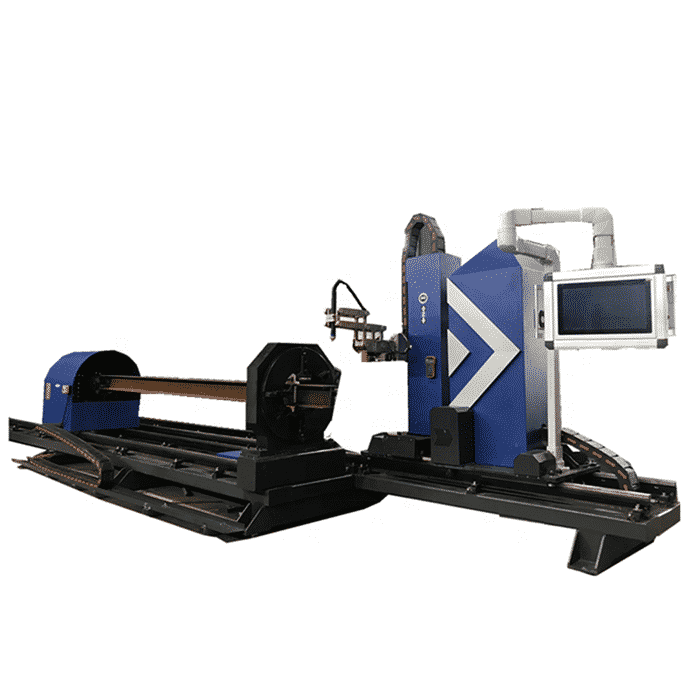
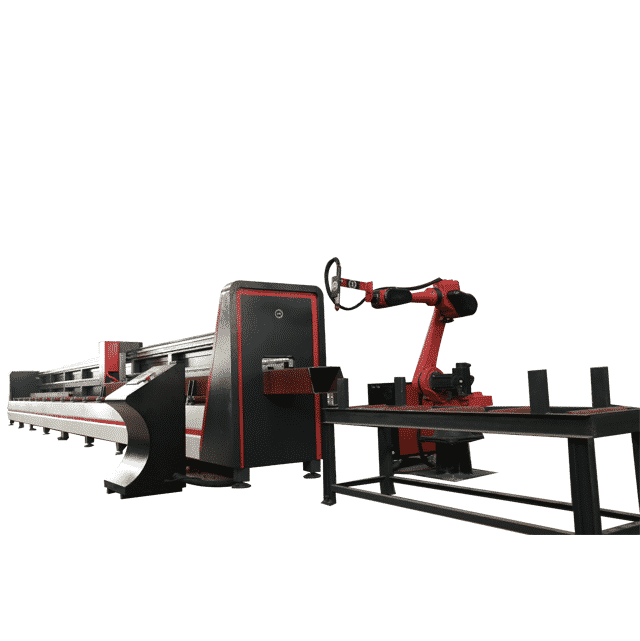
multi axis cnc plasma tube and beam cutting machine
Model:
All tubes and beam plasma cutting machine
Price range
$40,000.00 -$100,000.00/ Set
Cutting system
Plasma and air
Cutting And bevel range
All kinds of pipes , all kinds of beams, Steel angle, steel channel
machine ability
Plasma:40mm , air:40-100mm
Cutting diameter
30-300mm, 30-500mm, customized
Payment Terms
30% deposit, full payment after machine test
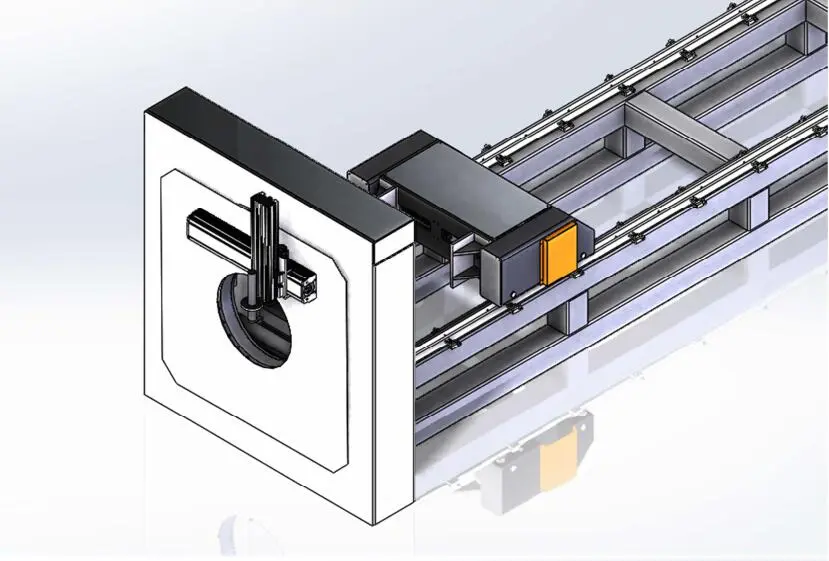
High precision double fixture
- Double fixtuer system
- fixture the round/rectangle/square pipes, H/C/I/L beams, steel channel, steel angle
- Automatic positioning system
- customized diameter and length
360 degree cutting system
- 360 degree automatical rotate head, cut and bevel
- automatic anti-collision system
- choose the Plasma cutting torch and air cutting torch
8 axis PC controlling system
- touch panel
- Alarm system
- Industry PC advantech system
- cutting and bevel
Professional 3D design software
- High develpoment solidworks
- All kinds of beam and pipes design builted in
- Fast, High compatibility
Why is the plasma cutter the main cutting tool for pipes and steel structures?
Speed and Efficiency: Plasma cutting is known for its high cutting speeds, which allows for faster production rates compared to other cutting methods.. This speed and efficiency contribute to improved productivity and reduced production time.
Precision: Plasma CNC cutting machines are equipped with advanced CNC systems that provide precise control over the cutting process. This allows for accurate and intricate cuts, including straight lines, curves, bevels, and complex shapes. The CNC technology ensures consistent and repeatable results.
Thickness Capacity: Plasma CNC cutting is capable of cutting through thick materials. Depending on the power of the plasma cutting system, it can effectively cut through metal sheets ranging from a few millimeters to several inches in thickness. This makes plasma CNC cutting suitable for applications that require cutting thicker materials.
Minimal Heat-Affected Zone: Plasma cutting generates a focused and localized heat, resulting in a small heat-affected zone along the cut edge. This means that the surrounding material is less affected by heat, minimizing distortion and preserving the structural integrity of the metal being cut. It also reduces the need for extensive post-cutting finishing operations.
other cnc machine for steel structure