
Наша компания стремится продвигать производство с учетом экологической и энергетической эффективности, внедряя передовые технологии. Мы внедрили систему бесконечного вращающегося реза, которая значительно повысила эффективность производства и точность в различных инженерных приложениях. Эта система обеспечивает качество компонентов, достигая при этом целей по энергосбережению и защите окружающей среды.
1. Введение в систему бесконечного вращающегося резания
Увеличивающаяся сложность и разнообразие конструкций стальных зданий требуют более высоких стандартов для технологий резки и сварки. Чтобы удовлетворить этим требованиям, наша компания внедрила систему бесконечного вращающегося реза, которая зарекомендовала себя как высокоэффективное решение для обработки сложных и нестандартных компонентов.
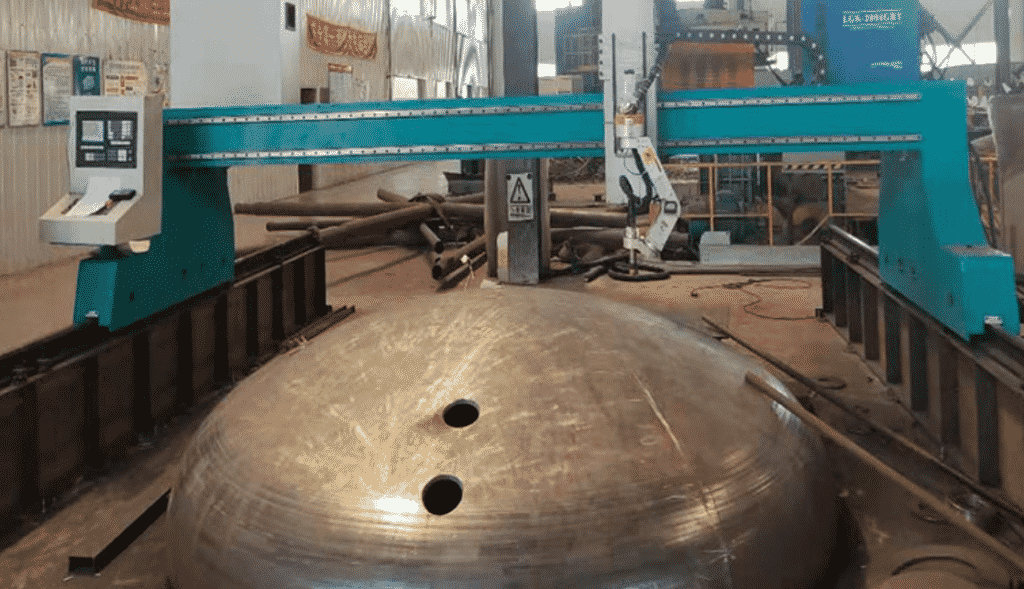
Эта система включает в себя плазменный CNC резак (см. рисунок 1), который отличается высокой эффективностью, высокой точностью, легкой конструкцией, низким инерционным моментом и плавной работой. Она подходит для резки различных материалов, включая низкоуглеродистую сталь и нержавеющую сталь.
1.1 Механическая структура оборудования для резки
Машина состоит из поперечной балки и двух продольных концовых рам, при этом низко расположенные рамки обеспечивают стабильность. Основная поперечная резака работает через передачу с зубчатым колесом и рейкой, а вторичные резаки движутся синхронно через натянутую стальную ленту. Продольное движение достигается с использованием одно- или двусторонней передачи с зубчатым колесом и рейкой, а направляющие колеса обеспечивают высокую точность позиционирования.
Система резки фасок использует структуру с двумя осевыми рычагами (см. Рисунок 2), что повышает точность резки для сложных профилей.
2. Преимущества системы бесконечного вращающегося резания в обработке стали
2.1 Снижение этапов обработки и экономия времени
Интеграция технологии ЧПУ с системой бесконечного вращающегося резания позволяет выполнять обработку материалов и фасок за один этап, исключая вторичную обработку фасок.
Плазменная резка работает в 3-5 раз быстрее, чем пламя, сокращая операции подъема и переустановки, что в конечном итоге позволяет сэкономить более чем в десять раз время обработки по сравнению с традиционными методами.
2.2 Превосходная скорость по сравнению с пламяной резкой
При обработке стали толщиной менее 30 мм плазменная резка примерно в 5 раз быстрее кислородно-горючей резки, обеспечивая более высокую эффективность и лучшее качество.
2.3 Высокая способность к обработке сложных фасок
2.4 Контроль затрат и экологичное производство
- Традиционные методы резки неэффективны, затратны и трудоемки. Плазменная резка, как источник тепла в этой системе, обеспечивает более высокую скорость, минимальные зоны термического воздействия, уменьшение деформации материала и более широкую совместимость с различными материалами. Она снижает необходимость в ручном вмешательстве, оптимизирует использование материала и сокращает производственные циклы, при этом минимизируя загрязнение, пыль и воздействие вредных остатков на оператора.
3. Применение в обработке изогнутых и скрученных конструктивных компонентов в аэропорту Иньчуань
Наша компания взяла на себя проект стальной конструкции для третьей фазы международного аэропорта Хэдуна в Иньчуане в 2015 году. Основная конструкция крыши терминала состоит из волнообразных однослойных стальных рам, включая непрерывные коробчатые балки переменного сечения с раздвоенными арочными колоннами.
Верхняя структура включает изогнутые и перекрученные коробчатые элементы размером (700–400) мм × 600 мм × 25 мм × 25 мм, длина отдельных элементов составляет 7–9 метров. Из-за изменения кривизны арочных колонн, для пластин промежуточного слоя потребовалась обработка фасок с многоугольными изогнутыми и градиентными углами от 10° до 40°, что представляет собой высокую степень сложности.
3.1 Традиционная обработка vs. Обработка с бесконечным вращением
Традиционный метод: требовал CNC плазменной резки → подъема → разметки → полуавтоматической фаски, что приводило к увеличению числа перемещений, чрезмерной шлифовке и увеличению рабочего времени.
Бесконечное вращающееся резание: исключены этапы подъема, разметки и шлифовки, при этом разные углы фаски контролируются с помощью ввода данных на компьютере, что улучшает эффективность и точность, одновременно снижая затраты на ручной труд.
3.2 Повышение эффективности обработки
4. Перспективы технологии бесконечного вращающегося резания
Технология ЧПУ-резки развивается быстрыми темпами, благодаря достижениям в области вычислительной техники, числового управления и оптимизации процессов резки. Будущее ЧПУ-резки будет сосредоточено на умных, быстрых и высоко оптимизированных производственных технологиях, что обеспечит высокую эффективность, сохранение материалов и снижение потребления энергии.
С развитием китайской промышленности стальных конструкций появляется всё больше инновационных высококачественных проектов, что способствует росту отрасли. Однако перерабатывающим предприятиям необходимо улучшать свои возможности для удовлетворения растущих требований, особенно в области резки высокопрочной стали. Ключевая задача — минимизировать этапы термической обработки и сохранить важнейшие микроэлементы в основном материале.
Технология бесконечного вращающегося плазменного резания, благодаря своим исключительным преимуществам в обработке, сыграет важную роль в развитии производства стальных конструкций, способствуя созданию умных фабрик и решений для производства стали нового поколения.
















