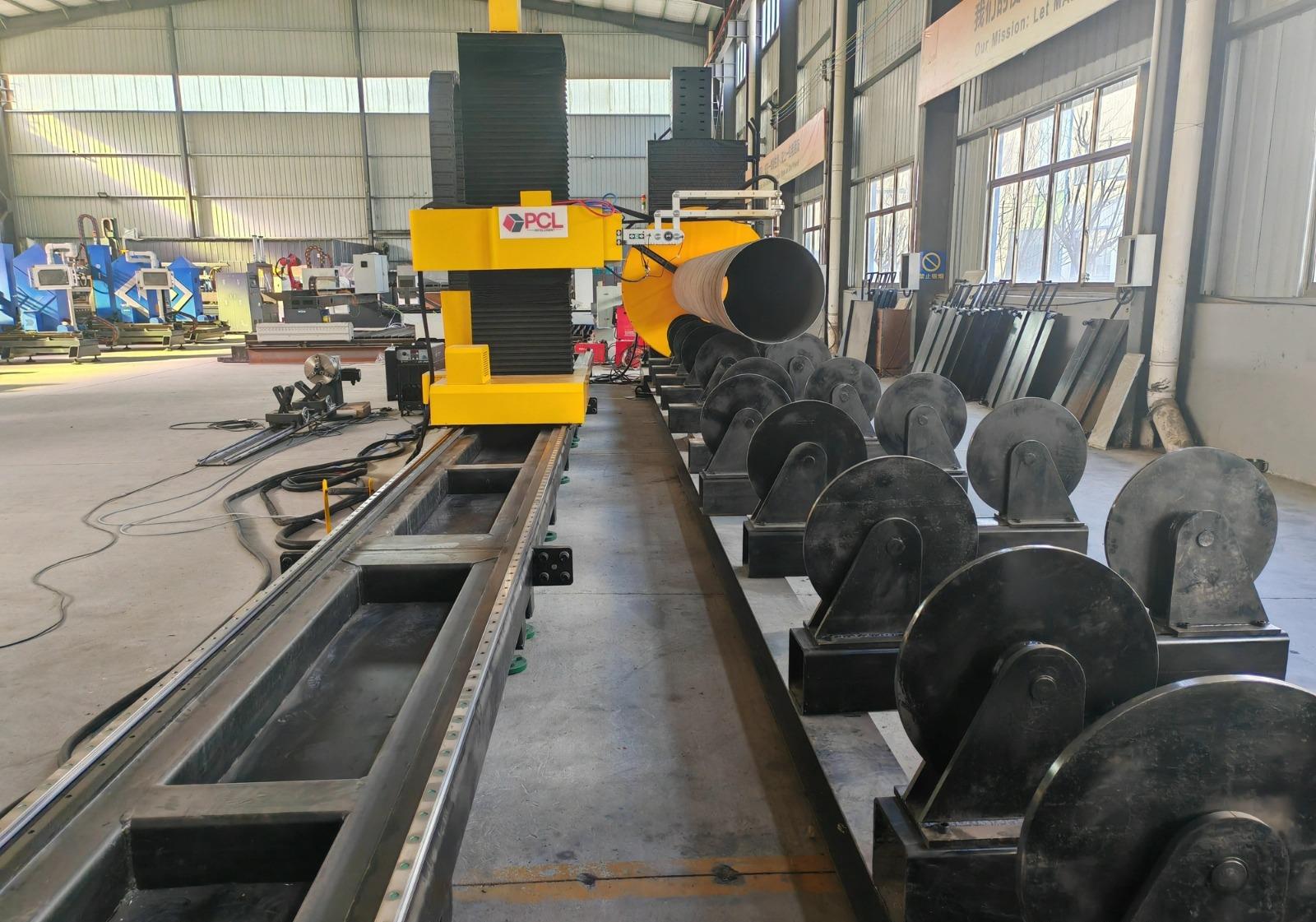
The Dawn of Ultra-High Power: Why 30kW Changes Everything
In the realm of structural steel, thickness and speed have traditionally been at odds. For decades, the fabrication of I-beams, H-channels, and heavy-walled rectangular tubes for large-scale projects like stadiums relied on plasma or oxy-fuel cutting. While effective, these methods introduced significant Heat-Affected Zones (HAZ) and required extensive post-processing. The introduction of the 30kW fiber laser to the Hamburg industrial sector has fundamentally altered this calculus.
At 30kW, the energy density at the focal point is immense. This power level allows for “high-speed melt-shearing,” where the laser doesn’t just melt the steel but vaporizes a portion of it, with high-pressure assist gases (typically Nitrogen or Oxygen) ejecting the molten material instantaneously. For a stadium’s primary load-bearing structures, this means cutting through 20mm to 50mm carbon steel with a surface finish that often requires zero secondary grinding. The speed is equally transformative; a 30kW system can process structural sections up to five times faster than a standard 6kW or 10kW unit, making it the “engine” of high-volume Hamburg fabrication facilities.
Precision 5-Axis CNC Processing for Complex Beams and Channels
Stadium architecture in the 21st century—characterized by sweeping curves, cantilevered roofs, and intricate lattice girders—demands more than just straight cuts. The CNC beam and channel cutters utilized in these Hamburg projects are equipped with advanced 5-axis 3D cutting heads.
These heads allow for complex beveling, miter cuts, and the creation of “fish-mouth” joints where tubes intersect at acute angles. In the context of a stadium’s roof structure, where hundreds of beams must converge at a single node, the 30kW laser ensures that every bolt hole and weld prep is accurate to within ±0.1mm. This level of precision is critical for the “Plug-and-Play” assembly method favored in German engineering. When the steel arrives at the construction site in Hamburg, the fitment is perfect, significantly reducing the time spent on expensive on-site welding and correction.
The CNC software integrates directly with BIM (Building Information Modeling) data. This means the digital twin of the stadium can be translated directly into machine code. The 30kW laser then executes these designs on heavy H-beams with a level of fidelity that traditional mechanical sawing or drilling cannot match.
The Efficiency of Automatic Unloading and Material Logistics
A 30kW laser is so fast that the bottleneck often shifts from the cutting process to the material handling. This is why the integration of automatic unloading systems is vital for the Hamburg facility. In traditional setups, a crane or forklift would be required to remove a finished 12-meter I-beam, leading to significant machine downtime.
The modern automatic unloading system uses a series of synchronized conveyor rollers and hydraulic lift-arms. As the CNC beam cutter finishes the final profile, the unloading module supports the weight of the finished part, preventing “sag-tags” or damage to the cutting bed. The part is then automatically moved to a sorting area. In a city like Hamburg, where industrial space is at a premium and labor costs are high, this automation allows for “lights-out” manufacturing. A single operator can oversee the processing of dozens of tons of steel per shift, as the system handles the heavy lifting, literally and figuratively.
Engineering for the Hamburg Climate: Stadium Steel Requirements
Hamburg’s proximity to the North Sea introduces a corrosive maritime environment. Stadiums like the Volksparkstadion or new urban developments require steel structures that are not only strong but also perfectly prepared for protective coatings.
The 30kW fiber laser provides a distinct advantage here. Because the laser cut is so clean and the HAZ is so localized, the integrity of the steel’s molecular structure remains intact at the edge. This provides a superior surface for galvanization or high-specification epoxy painting. Traditional thermal cutting methods often leave a hardened edge or slag that can cause coating failure years later. By using ultra-high-power laser cutting, Hamburg engineers ensure that the stadium’s skeleton is protected against the salty, humid air, extending the maintenance lifecycle of the structure by decades.
Optimizing the Supply Chain for Large-Scale Construction
The logistics of building a stadium involve thousands of unique parts. The 30kW laser cutter, equipped with automatic unloading, acts as a “just-in-time” fabrication hub. Instead of mass-producing parts and storing them in expensive warehouses, the Hamburg facility can produce specific components in the exact order they are needed on-site.
The automatic unloading system can be programmed to sort parts based on their destination within the stadium—Sector A, Roof Truss B, etc. This level of organizational integration, powered by the speed of the 30kW laser, minimizes the footprint of the construction site and reduces the carbon footprint associated with multiple transport stages.
Thermal Management and Beam Quality in 30kW Systems
One might assume that 30,000 watts of power would result in excessive heat distortion. However, the brilliance of modern fiber laser optics lies in beam quality (BPP – Beam Parameter Product). Even at 30kW, the beam is narrowed to a microscopic point. The “shivering” of the beam (wobble technology) allows the operator to control the width of the kerf, ensuring that even in very thick channels, the walls of the cut remain perfectly vertical.
In the Hamburg facility, advanced chilling systems are employed to keep the laser source and the cutting head at a constant temperature. This thermal stability is what allows the machine to run 24/7, cutting through the massive volumes of steel required for a 50,000-seat stadium without a drop in precision or part quality.
The Economic Impact on the Hamburg Industrial Sector
Investing in a 30kW fiber laser with automatic unloading is a significant capital expenditure, but the ROI (Return on Investment) for Hamburg’s structural steel sector is clear. By reducing the “Cost Per Part” through increased speed and decreased labor, local fabricators can compete globally.
Furthermore, the capability to process heavy beams and channels with laser precision attracts high-tier architectural projects. Hamburg is positioning itself as a center of excellence for “Smart Steel.” The 30kW laser is the centerpiece of this movement, turning raw steel into high-tech architectural components with a level of efficiency that was unimaginable a decade ago.
Conclusion: The Future of Structural Fabrication
The integration of 30kW fiber laser CNC beam cutters with automatic unloading represents the pinnacle of current fabrication technology. For the massive, complex steel structures required by modern stadiums, this technology provides the essential trifecta of speed, precision, and safety.
In Hamburg, where engineering tradition meets future-forward innovation, these machines are doing more than just cutting steel; they are enabling architects to dream bigger and engineers to build safer. As we look toward the next generation of urban infrastructure, the 30kW fiber laser stands as the definitive tool for shaping the skyline, one perfectly cut beam at a time. Through the marriage of ultra-high power and intelligent automation, the heavy-duty steel industry has finally entered the digital age.