The Evolution of Precision Manufacturing in Tijuana: The 4kW Laser Advantage
Tijuana has established itself as a cornerstone of the global manufacturing supply chain, particularly within the aerospace, medical device, and electronics sectors. As the “Maquiladora” industry continues to evolve toward high-tech complexity, the demand for precision processing of non-ferrous metals has surged. Among these materials, brass remains a critical component due to its electrical conductivity, corrosion resistance, and aesthetic appeal. However, brass presents unique challenges in thermal processing. The introduction of the 4kW precision laser system has redefined the capabilities of local fabricators, allowing for high-speed, high-accuracy laser cutting that was previously difficult to achieve with lower power outputs or traditional CO2 systems.
The 4kW fiber laser represents a “sweet spot” in industrial power scaling. It provides sufficient energy density to overcome the high reflectivity of yellow metals while maintaining a narrow kerf width and minimal heat-affected zone (HAZ). For manufacturers in Tijuana, where proximity to the U.S. market demands both speed and strict adherence to international quality standards, adopting 4kW technology is no longer an option—it is a competitive necessity.
Understanding the Physics of Brass and Fiber Laser Interaction
Brass is an alloy primarily composed of copper and zinc. From a laser cutting perspective, its high thermal conductivity and optical reflectivity are the primary hurdles. In the early days of laser technology, CO2 lasers struggled with brass because the 10.6-micron wavelength was largely reflected by the material’s surface, often causing catastrophic back-reflection that could damage the laser resonator. The 4kW fiber laser operates at a wavelength of approximately 1.07 microns, which is absorbed much more efficiently by brass.
At a 4kW power level, the system generates enough intensity to instantly reach the material’s boiling point, creating a stable “keyhole” effect. This allows the beam to penetrate the material rather than bouncing off the surface. In Tijuana’s fast-paced production environments, this stability ensures that components for electrical connectors, decorative architectural elements, and precision valves are produced with repeatable accuracy and smooth edge finishes.
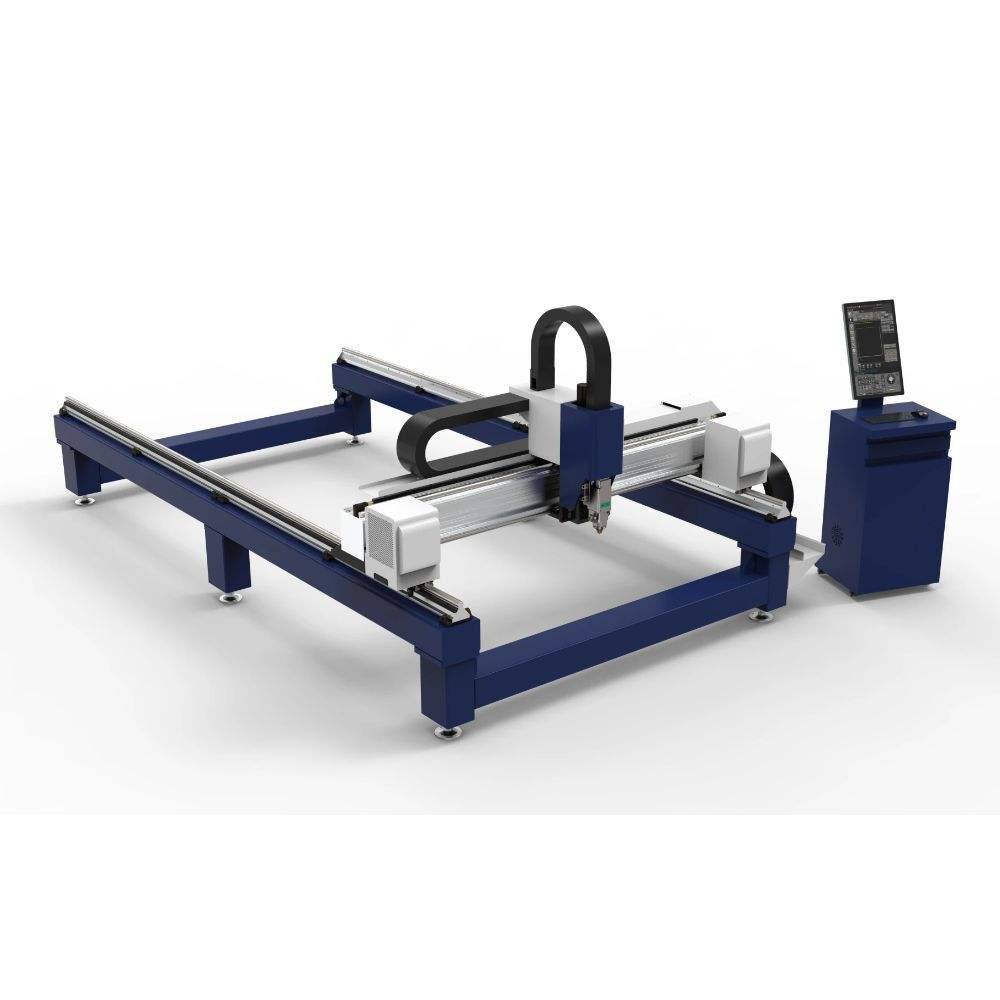
 laser cutting machine” style=”width:100%; max-width:800px; height:auto; margin: 20px 0;”>
Optimizing 4kW Laser Cutting Parameters for Brass
Achieving a burr-free finish on brass requires precise control over several variables. When utilizing a 4kW system, the operator must balance power, speed, gas pressure, and focal position. Unlike stainless steel, where oxygen might be used to facilitate an exothermic reaction, brass is often cut using high-pressure nitrogen or compressed air to ensure a clean, unoxidized edge.
The Role of Assist Gases
Nitrogen is the preferred assist gas for precision brass laser cutting. The gas serves two purposes: it expels the molten metal from the kerf and cools the surrounding material to prevent dross buildup. In Tijuana’s industrial zones, where high-volume production is common, the cost of nitrogen is offset by the elimination of secondary finishing processes. A 4kW system allows for significantly higher feed rates when using nitrogen, which reduces the time the heat source dwells on any single point, thereby preserving the mechanical properties of the brass alloy.
Focal Point and Nozzle Selection
For brass thicknesses ranging from 1mm to 6mm—the typical range for 4kW systems—the focal point is usually set slightly below the surface of the material. This ensures that the energy is concentrated where it can most effectively maintain the melt pool. Furthermore, the use of chrome-plated nozzles is recommended when processing brass to prevent the adhesion of spatters, which are common when cutting highly fluid alloys. Engineering teams in Tijuana often implement automatic nozzle changers and cleaning stations to maintain 24/7 operational efficiency.
Strategic Implementation in the Tijuana Aerospace and Medical Clusters
Tijuana is home to one of the most sophisticated aerospace clusters in North America. Components such as bushings, housings, and specialized fasteners often require the unique properties of brass. The 4kW laser cutting system provides the tolerances required by AS9100 standards, often holding dimensions within ±0.05mm. Similarly, in the medical device sector, the ability to cut thin-gauge brass shim stock or intricate internal components with zero contamination is vital.
The 4kW system’s versatility allows a single machine to handle diverse workloads. Whether it is a small-batch prototype for a medical startup or a high-volume run for an automotive supplier, the fiber laser’s software-driven precision ensures that the first part is identical to the thousandth. This flexibility is a major asset for Tijuana-based contract manufacturers who must pivot quickly between different client requirements.
Overcoming Back-Reflection Risks
Despite the improved absorption of the fiber wavelength, brass still poses a risk of back-reflection, especially during the initial piercing phase. Modern 4kW precision laser systems are equipped with “back-reflection isolators” or optical protection systems. These sensors detect any light bouncing back into the delivery fiber and can shut down the beam in microseconds to prevent damage to the laser source. In the technical workshops of Tijuana, training operators to recognize the signs of improper piercing—such as excessive sparking or inconsistent sound—is a critical part of maintaining these high-value assets.
Technical Specifications of the 4kW Precision Laser
When evaluating a 4kW system for brass applications, several technical specifications must be prioritized to ensure long-term reliability in the Mexican industrial climate:
- Beam Parameter Product (BPP): A lower BPP indicates a higher quality beam that can be focused to a smaller spot, which is essential for the high power density required to cut brass.
- Acceleration and Dynamics: Because brass is often cut at high speeds, the machine’s gantry must be capable of high acceleration (up to 1.5G or 2.0G) to maintain precision during complex geometries.
- Worktable Stability: A heavy-duty, heat-treated frame is necessary to dampen vibrations that could otherwise translate into “chatter” marks on the cut edge of the brass.
- Control Systems: Integration with advanced CNC controllers allows for real-time adjustments of power based on the cutting speed, preventing over-burning at corners.
Maintenance Protocols for High-Reflectivity Metal Processing
Operating a laser cutting system in an environment like Tijuana requires a dedicated maintenance schedule. The proximity to the coast can introduce humidity and salinity into the air, which can affect optical components. For 4kW systems processing brass, the following steps are mandatory:
1. Optical Path Integrity
The protective windows (cover slips) must be inspected daily. Even a microscopic speck of brass dust on the lens can absorb laser energy, leading to thermal lensing or total lens failure. Using high-purity cleaning agents and lint-free wipes is standard protocol in precision shops.
2. Chiller Calibration
A 4kW laser generates significant heat within the resonator and the cutting head. The cooling system must be maintained with the correct water conductivity levels and temperature settings (usually within ±0.1°C) to ensure the wavelength remains stable. Inconsistent cooling is a leading cause of beam instability when cutting reflective materials like brass.
Economic Impact on the Tijuana-San Diego Region
The integration of 4kW laser cutting technology has a direct impact on the regional economy. By reducing lead times and increasing material yield, Tijuana fabricators can offer lower prices than overseas competitors while maintaining superior quality. The “Nearshoring” trend has seen many U.S. companies move production from Asia to Mexico; the availability of high-precision fiber lasers in Tijuana is a primary driver for this shift.
Furthermore, the energy efficiency of the 4kW fiber laser—which consumes up to 70% less power than an equivalent CO2 laser—aligns with the growing demand for sustainable manufacturing practices. For large-scale Maquiladoras, this reduction in energy consumption translates to significant annual savings and a smaller carbon footprint, which is increasingly important for corporate social responsibility (CSR) goals.
Conclusion: The Future of Metal Fabrication in Baja California
The 4kW precision laser system is more than just a tool; it is a catalyst for industrial sophistication in Tijuana. By mastering the laser cutting of brass, local manufacturers are proving their ability to handle the world’s most challenging materials. As fiber laser technology continues to advance, with higher power levels and smarter AI-driven controls, the foundation laid by the 4kW system will ensure that Tijuana remains at the forefront of the global manufacturing landscape. For any facility looking to upgrade its capabilities, focusing on the synergy between high-power fiber sources and the specific metallurgical needs of brass is the path to long-term success.













