The Strategic Role of 1.5kW Precision Laser Systems in Toluca’s Manufacturing Sector
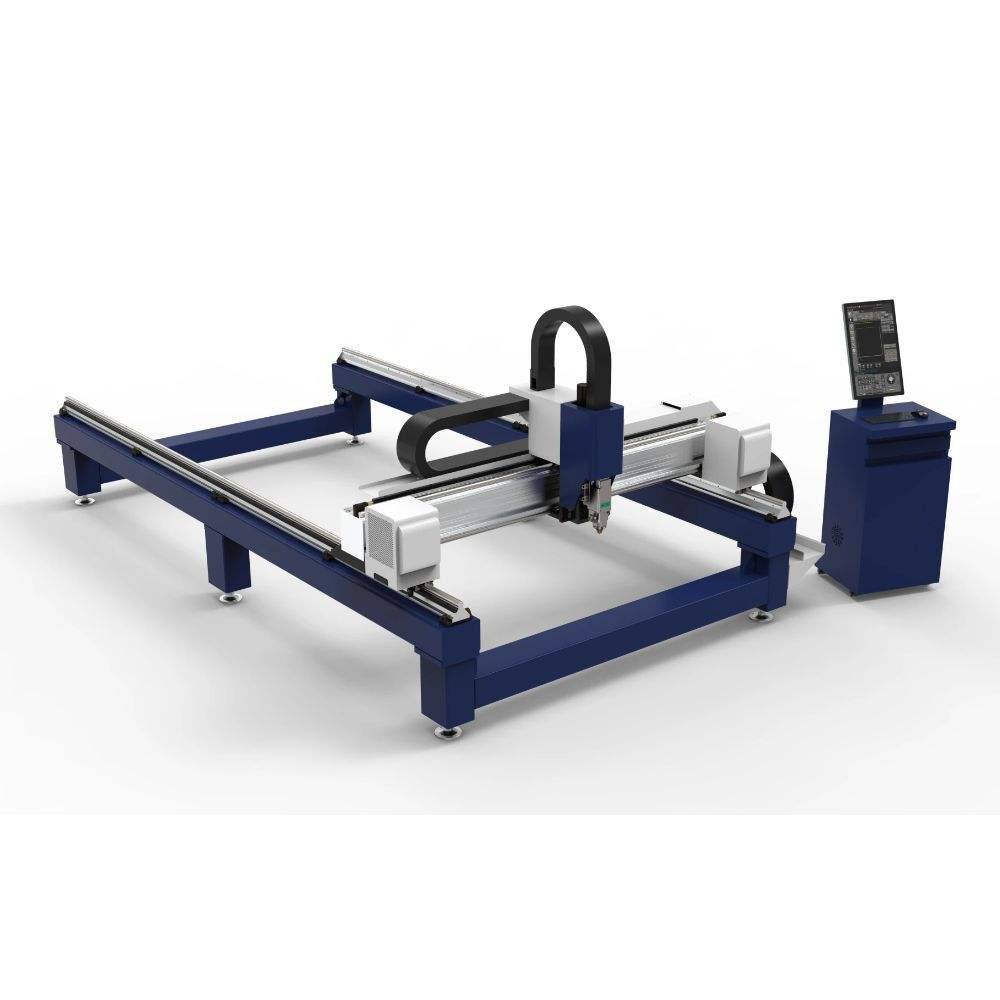
The industrial landscape of Toluca, State of Mexico, has long been a cornerstone of the nation’s automotive and heavy manufacturing output. As the region transitions toward Industry 4.0, the integration of 1.5kW precision laser systems has become a pivotal factor for small to medium enterprises (SMEs) and large-scale Tier 1 suppliers alike. A 1.5kW fiber laser represents a highly optimized power bracket, offering a balance between capital investment and high-speed processing capabilities, particularly for thin to medium-gauge materials.
In the context of Toluca’s diverse industrial base—ranging from HVAC ductwork production to automotive chassis components—the 1.5kW system is frequently the “workhorse” of the facility. Its ability to maintain tight tolerances while operating at high feed rates makes it indispensable. However, the specific application of laser cutting on galvanized steel introduces a unique set of metallurgical and atmospheric challenges that require precise engineering controls and environmental adaptations.

Understanding the 1.5kW Fiber Laser Architecture
A 1.5kW precision laser system utilizes a fiber-optic delivery method, where the laser beam is generated by bank of diodes and amplified through a specially doped fiber cable. Unlike traditional CO2 lasers, the 1.06-micron wavelength of a fiber laser is absorbed more efficiently by metallic surfaces. This efficiency is paramount when dealing with reflective or coated materials like galvanized steel.
The “precision” aspect of these systems refers to the Beam Parameter Product (BPP). A lower BPP indicates a beam that can be focused into a smaller, more intense spot. For a 1.5kW system, this translates to a high power density that can vaporize steel almost instantaneously, minimizing the Heat-Affected Zone (HAZ) and preventing the warping of thin sheets. This is critical for Toluca-based manufacturers who must adhere to the stringent ISO standards required by the international automotive export market.
Challenges and Solutions for Laser Cutting Galvanized Steel
Galvanized steel is widely utilized in Toluca’s construction and automotive sectors due to its superior corrosion resistance, provided by a protective zinc coating. However, this coating presents a significant hurdle for laser cutting operations. Zinc has a significantly lower melting point (approx. 419°C) and boiling point (approx. 907°C) compared to the base steel (approx. 1500°C).
Managing the Zinc Vaporization Effect
During the laser cutting process, the zinc coating vaporizes before the steel melts. This vapor can interfere with the laser beam’s stability and, more importantly, can become trapped within the molten steel of the kerf, leading to porosity or “spitting.” In a precision 1.5kW system, the key to managing this is through high-pressure assist gases and specialized nozzle geometries.
Engineers must calibrate the feed rate to ensure the zinc vapor is evacuated ahead of the melt pool. If the speed is too slow, the zinc vapor expands and creates dross (slag) on the underside of the cut. If the speed is too high, the laser may fail to penetrate the material consistently. In Toluca’s high-volume environments, finding this “sweet spot” is essential for maintaining throughput without sacrificing edge quality.
Gas Selection: Nitrogen vs. Oxygen in Galvanized Processing
The choice of assist gas is perhaps the most critical variable in 1.5kW laser cutting of galvanized steel. For a precision finish, Nitrogen is generally the preferred medium. Nitrogen acts as an inert shield, blowing away the molten material without allowing an exothermic reaction to occur. This results in a clean, silver-colored edge that is ready for welding or painting without secondary cleaning.
Conversely, Oxygen can be used to increase cutting speeds on thicker galvanized plates (above 3mm). The Oxygen reacts with the iron in the steel, creating additional thermal energy. However, this often leads to oxidation of the cut edge and can cause more violent vaporization of the zinc coating, potentially leading to increased “burr” formation. For precision components in Toluca’s aerospace or electronics sectors, Nitrogen high-pressure cutting (typically between 12 and 18 bar) remains the engineering standard.
Environmental Factors: Operating High-Precision Lasers in Toluca
Toluca presents a unique set of environmental challenges for precision machinery. Situated at an altitude of approximately 2,660 meters above sea level, the atmospheric conditions differ significantly from coastal manufacturing hubs. This altitude affects the density of the air and the performance of cooling systems.
Altitude and Atmospheric Pressure Considerations
At higher altitudes, the air is thinner, which reduces the efficiency of air-cooled chillers used to regulate the temperature of the laser source and the cutting head. For a 1.5kW system, maintaining a constant temperature (usually within ±1°C) is vital for beam stability. Toluca-based operators must ensure that their chilling units are rated for high-altitude operation or are slightly oversized to compensate for the lower heat exchange rate.
Furthermore, the lower atmospheric pressure can influence the dynamics of the assist gas jet as it exits the nozzle. The expansion of the gas jet is more pronounced in lower-pressure environments, which can slightly alter the focus of the gas stream. Fine-tuning the nozzle-to-workpiece distance (standoff height) is often necessary to maintain the laminar flow required for dross-free laser cutting on galvanized surfaces.
Technical Optimization for Precision Results
To achieve the highest precision with a 1.5kW system, operators must look beyond the power settings and focus on the optical chain and motion control. In galvanized steel applications, the “micro-joint” or “tabbing” strategy is often used to prevent small parts from tipping or being blown away by the high-pressure Nitrogen used during the process.
Nozzle Selection and Focal Depth Calibration
The nozzle is the final point of contact between the machine and the process. For galvanized steel, a double-layer nozzle is often recommended. This design helps stabilize the gas flow and protects the protective window of the cutting head from zinc oxide backspatter. Zinc oxide is a fine, white powder that is highly abrasive; if it accumulates on the optics, it can cause thermal lensing, where the beam focus shifts during the cut, leading to inconsistent quality.
Focal depth calibration is equally critical. When laser cutting galvanized steel with a 1.5kW source, the focus is typically set slightly below the surface of the material (negative focus). This ensures that the widest part of the beam energy is concentrated where the melt needs to be ejected, helping to clear the zinc-enriched slag from the bottom of the kerf.
Maintenance Protocols for Longevity
In the industrial corridors of Toluca, where machines often run on 16-to-24-hour cycles, maintenance is the difference between profitability and downtime. The 1.5kW fiber laser is inherently more robust than older technologies, but it is not immune to the environment. The primary concern when processing galvanized steel is the accumulation of zinc dust.
A high-capacity dust extraction and filtration system is mandatory. Zinc fumes are not only a health hazard for operators but are also electrically conductive. If these particles infiltrate the electrical cabinets of the laser system, they can cause short circuits. Regular cleaning of the rack-and-pinion motion system and the lubrication of the linear guides are essential to maintain the ±0.02mm positioning accuracy expected of a precision system.
Economic Viability and ROI
For a manufacturer in Toluca, the transition to a 1.5kW precision laser cutting system offers a compelling Return on Investment (ROI). Compared to a 1kW system, the 1.5kW variant offers significantly faster cutting speeds on 1mm to 3mm galvanized sheet—the most common gauges for automotive heat shields and electrical enclosures. This increase in throughput often allows a shop to consolidate the work of two older machines into one.
Moreover, the precision of the fiber laser reduces the need for secondary finishing processes. In traditional mechanical shearing or plasma cutting, the zinc coating is often damaged or delaminated at the edge. The localized heat of the 1.5kW fiber laser is so intense and fast that the zinc often “wicks” slightly over the cut edge, providing a degree of sacrificial protection even on the exposed steel. This metallurgical advantage is a key selling point for Toluca-based firms competing for international contracts where quality and longevity are non-negotiable.
Conclusion
The 1.5kW precision laser system stands as a cornerstone of modern manufacturing in Toluca. By understanding the specific metallurgical interactions of galvanized steel and the atmospheric nuances of the State of Mexico, engineers can maximize the potential of these machines. Through rigorous gas management, altitude-compensated cooling, and proactive maintenance, Toluca’s industrial sector can continue to lead the way in high-precision metal fabrication, ensuring that “Made in Mexico” remains synonymous with engineering excellence.













