Mastering 3kW Fiber laser cutting for Galvanized Steel in Queretaro
In the heart of Mexico’s industrial corridor, Queretaro has emerged as a powerhouse for automotive, aerospace, and structural engineering. As manufacturers in the Bajío region strive for higher throughput and tighter tolerances, the adoption of 3kW fiber laser cutting technology has become a strategic necessity. Specifically, when dealing with galvanized steel—a material prized for its corrosion resistance but notorious for its volatile processing characteristics—the precision of a 3000W fiber source offers a distinct competitive advantage. This guide explores the technical nuances, operational strategies, and regional benefits of deploying 3kW fiber laser cutting systems in the Queretaro industrial landscape.
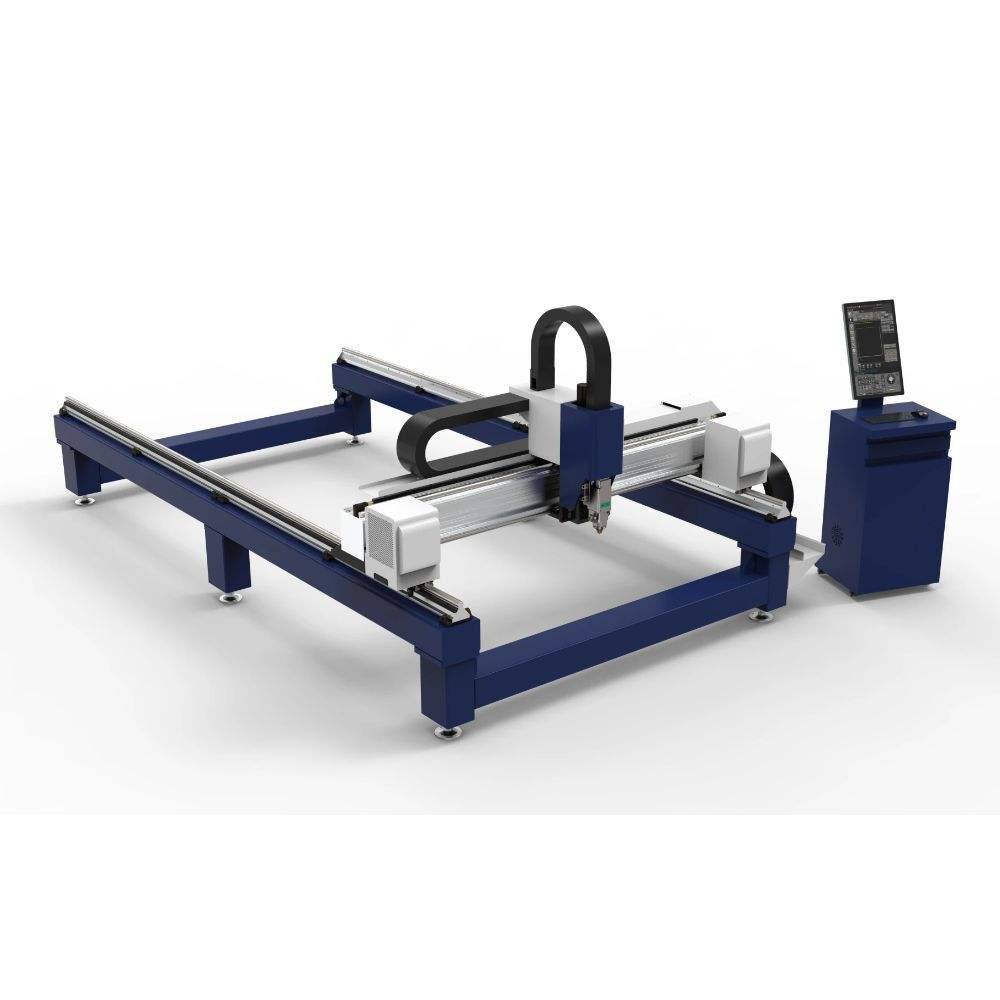
 laser cutting machine for Plate and Tube” style=”width: 100%; max-width: 800px; height: auto; margin: 20px 0;”>
The Technical Superiority of 3kW Fiber Lasers
The 3kW power rating represents the “sweet spot” for medium-duty industrial fabrication. Unlike CO2 lasers of the past, fiber laser cutting utilizes a solid-state laser source where the beam is generated in an optical fiber doped with rare-earth elements. At 3000W, the photon density is sufficient to achieve high-speed processing of thin to medium gauges while maintaining enough “punch” to penetrate thicker plates up to 20mm in carbon steel and 10mm in stainless steel.
Efficiency and Beam Quality
One of the primary reasons Queretaro-based workshops are transitioning to 3kW fiber systems is the wall-plug efficiency. A fiber laser converts approximately 30-35% of electrical energy into laser light, compared to the 8-10% seen in older technologies. Furthermore, the 1.06-micron wavelength of a fiber laser is absorbed more readily by metals, particularly reflective ones. In the context of laser cutting, this means faster piercing times and a significantly reduced Heat Affected Zone (HAZ), which is critical for maintaining the structural integrity of the workpiece.
The 3kW Advantage for Galvanized Materials
Galvanized steel presents a unique challenge: the zinc coating. Zinc has a much lower melting point (approx. 419°C) than the underlying steel (approx. 1500°C). During the laser cutting process, the zinc vaporizes before the steel melts, often creating high-pressure gas pockets that can lead to dross, splatter, and unstable cutting conditions. A 3kW power source provides the necessary energy density to move the cutting head at speeds high enough to minimize the time the zinc has to interfere with the molten pool, resulting in a cleaner edge.
Challenges and Solutions for Cutting Galvanized Steel
Processing galvanized steel requires more than just raw power; it requires sophisticated parameter management. Engineers in Queretaro’s Tier 2 and Tier 3 automotive supply chains often face issues with “popping” or “micro-explosions” during the laser cutting cycle. These are caused by zinc vapor being trapped between the laser beam and the material surface.
Managing the Zinc Layer
To achieve a high-quality finish, the laser cutting parameters must be tuned to account for the coating thickness (e.g., G60 vs. G90). Using a 3kW system allows for a higher feed rate, which is the most effective way to combat zinc interference. By moving the beam quickly, the vaporized zinc is exhausted through the kerf before it can blow back into the nozzle or disrupt the beam’s focus. Additionally, specialized nozzles with “cool-touch” or “anti-splatter” geometries are often employed to prevent zinc oxide buildup on the ceramic ring and nozzle tip.
Assist Gas Selection: Nitrogen vs. Oxygen
The choice of assist gas is pivotal when laser cutting galvanized steel.
- Nitrogen: This is the preferred choice for 3kW systems when edge quality is the priority. Nitrogen acts as a shielding gas, preventing oxidation and leaving a bright, weld-ready edge. Because Nitrogen cutting relies on high-pressure kinetic energy to blow away molten metal, the 3kW power ensures the material remains liquid enough to be evacuated cleanly.
- Oxygen: While Oxygen can increase cutting speeds on thicker carbon steel by inducing an exothermic reaction, it often results in a heavily oxidized edge on galvanized material. In Queretaro’s competitive market, where many parts move directly to assembly or powder coating, the “clean” edge provided by high-pressure Nitrogen cutting is usually the standard.
Queretaro: A Strategic Hub for Advanced Manufacturing
Queretaro’s industrial parks, such as Parque Industrial Querétaro and El Marqués, are home to sophisticated manufacturing operations that demand 24/7 reliability. The local infrastructure supports the high-tech requirements of 3kW laser cutting systems, including stable power grids and a robust supply of industrial gases.
Integration with the Automotive and Aerospace Supply Chain
The regional focus on aerospace (led by companies like Bombardier and Safran) and automotive (supporting OEMs across the Bajío) means that laser cutting services must meet international quality standards like AS9100 or IATF 16949. A 3kW fiber laser provides the repeatability required for these certifications. In Queretaro, the ability to rapidly prototype parts in galvanized steel for brackets, chassis components, and HVAC ducting gives local shops a significant edge over competitors using slower, traditional stamping or plasma cutting methods.
Local Technical Support and Expertise
One of the advantages of operating a 3kW fiber laser in Queretaro is the proximity to technical expertise. Many leading laser manufacturers have established service centers in Central Mexico. This ensures that consumables—such as protective windows, nozzles, and lenses—are readily available, and field service engineers can minimize downtime. For a high-production environment, having a 3kW machine with local support is far more valuable than a higher-powered machine with no regional presence.
Operational Best Practices for 3kW Systems
To maximize the lifespan of a 3kW fiber laser cutting machine, especially when processing galvanized steel, specific maintenance protocols must be followed. The byproduct of cutting galvanized steel is zinc oxide—a fine, white powder that is highly abrasive and electrically conductive.
Fume Extraction and Environmental Safety
Zinc fumes are toxic and can lead to “metal fume fever” if not properly managed. A robust dust collection system is mandatory. For a 3kW laser cutting setup, the extraction system should have a high CFM (cubic feet per minute) rating and be equipped with PTFE-coated filters to prevent the sticky zinc particles from clogging the media. In Queretaro, environmental regulations (SEMARNAT) are strictly enforced, making efficient filtration not just a safety issue, but a legal requirement.
Optics Protection
The high reflectivity of the zinc coating can occasionally cause “back-reflection.” Modern 3kW fiber sources are equipped with back-reflection isolators that protect the laser diodes. However, the external optics—specifically the protective window (cover glass)—are at constant risk from splatter. Operators should inspect the cover glass every few hours when cutting galvanized steel. A 3kW beam passing through a contaminated window will quickly thermally deform the glass, leading to poor cut quality or damage to the cutting head internal lenses.
Economic Viability and ROI Analysis
Investing in a 3kW fiber laser cutting machine is a significant capital expenditure, but the Return on Investment (ROI) in the Queretaro market is often realized within 12 to 18 months. The primary drivers of this ROI are speed and the reduction of secondary processes.
Throughput vs. Cost
A 3kW fiber laser can cut 1mm galvanized steel at speeds exceeding 40 meters per minute. When compared to a 1kW or 2kW system, the 3kW variant offers a non-linear increase in productivity for thicknesses above 3mm. In a region where labor costs are rising and the demand for “just-in-time” delivery is the norm, the ability to process more sheets per shift is the most effective way to lower the cost-per-part.
Eliminating Secondary Operations
Because the 3kW fiber laser cutting process (when used with Nitrogen) leaves a clean, dross-free edge on galvanized steel, the need for manual grinding or deburring is virtually eliminated. For Queretaro manufacturers, this means parts can move directly from the laser bed to the welding cell or the assembly line. This “straight-to-process” capability is essential for maintaining lean manufacturing workflows.
Conclusion: The Future of Fabrication in the Bajío
The 3kW fiber laser cutting machine is more than just a tool; it is a foundational technology for the modern Queretaro workshop. By mastering the specific requirements of galvanized steel—from assist gas dynamics to fume management—local fabricators can deliver high-quality components that meet the rigorous demands of the global market. As the industry moves toward further automation and Industry 4.0 integration, the 3kW fiber laser remains the versatile workhorse capable of driving Queretaro’s manufacturing excellence forward. Whether you are producing complex automotive assemblies or structural components for the growing construction sector, the precision and power of a 3000W fiber system offer the most reliable path to operational success.













