
The Strategic Implementation of 3kW Fiber laser cutting for Stainless Steel in Queretaro
Queretaro has solidified its position as the premier industrial hub of Mexico, particularly within the aerospace, automotive, and food processing sectors. As these industries demand higher precision and faster turnaround times, the adoption of 3kW fiber laser cutting technology has become a necessity rather than a luxury. For engineering firms and manufacturing plants in the Bajío region, understanding the technical nuances of processing stainless steel with a 3kW power source is critical for maintaining a competitive edge.
The 3kW fiber laser represents the “sweet spot” of industrial efficiency. It offers enough power to handle significant thicknesses of stainless steel while maintaining the high beam quality required for intricate geometries. This guide explores the technical parameters, material behaviors, and regional advantages of deploying these systems in the Queretaro industrial corridor.
Understanding the 3kW Fiber Laser Advantage
Fiber laser technology operates at a wavelength of approximately 1.064 micrometers. This specific wavelength is highly absorbed by metallic surfaces, especially stainless steel, compared to the 10.6 micrometers of traditional CO2 lasers. When applying 3kW of power, the energy density at the focal point is immense, allowing for rapid melting and vaporization of the substrate.
In the context of stainless steel, a 3kW system excels in the 1mm to 8mm thickness range, providing a perfect balance between speed and edge quality. While higher wattage machines exist, the 3kW variant offers a lower total cost of ownership (TCO) and reduced energy consumption, making it the ideal choice for the diverse job shops scattered across Queretaro’s industrial parks, such as Parque Industrial Querétaro or Benito Juárez.
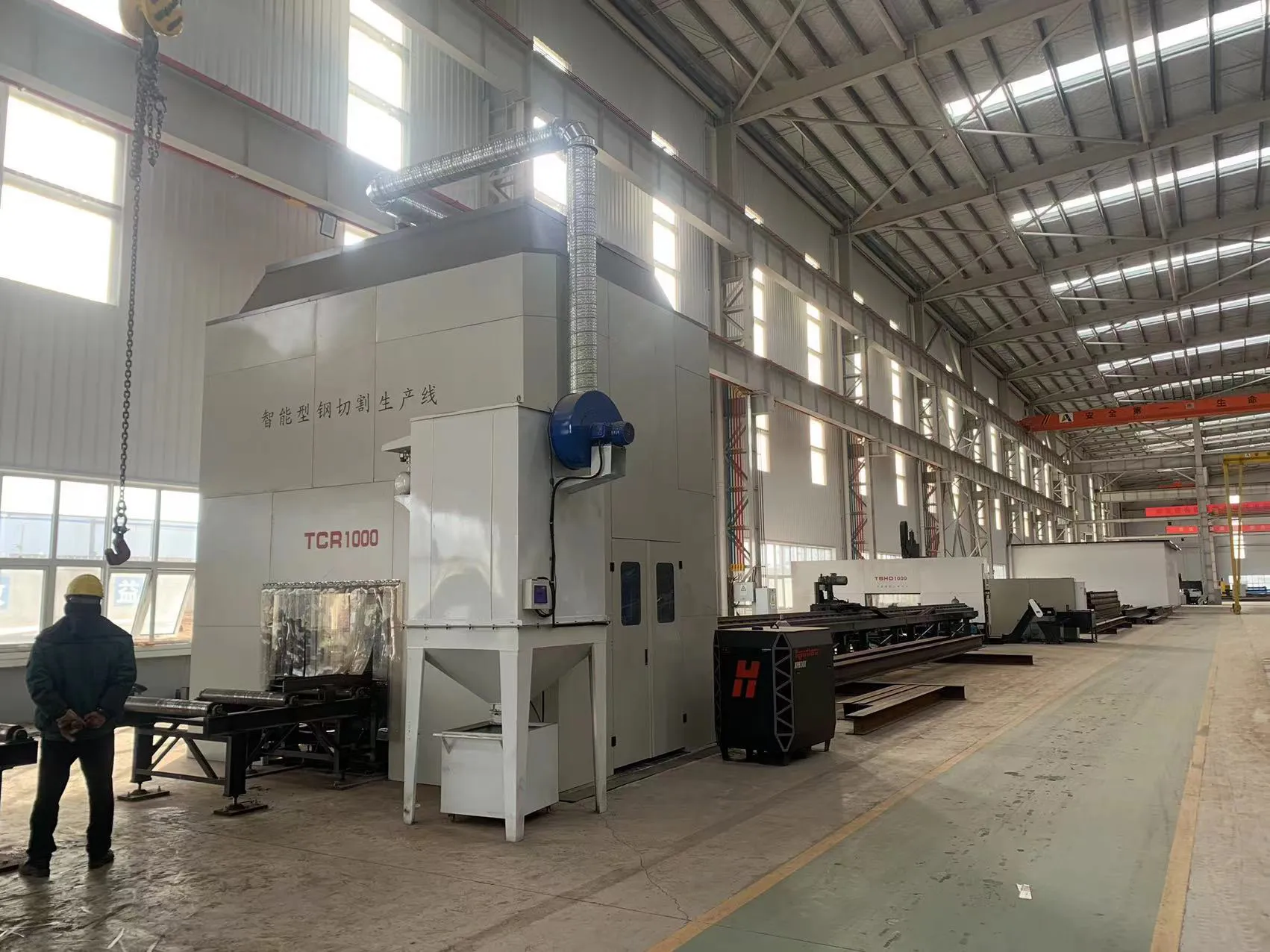 laser cutting machine in Operation” style=”width: 100%; max-width: 800px; height: auto; margin: 20px 0;”>
Stainless Steel Grades and Machinability
In Queretaro’s manufacturing landscape, two primary grades of stainless steel dominate: AISI 304 and AISI 316. Each presents unique challenges during the laser cutting process.
- AISI 304 (Austenitic): Commonly used in food processing equipment and architectural features. Its high chromium and nickel content makes it highly resistant to corrosion but also prone to heat retention. A 3kW laser must be tuned to manage the Heat Affected Zone (HAZ) to prevent warping in thinner gauges.
- AISI 316: Preferred by the pharmaceutical and aerospace industries in Queretaro due to its molybdenum content. Cutting 316 requires precise gas pressure management to ensure the edges remain clean and free of dross, which can act as a site for future corrosion.
The 3kW power level allows for “clean cutting” of these materials using nitrogen as an assist gas. This prevents oxidation of the cut edge, which is vital for components that require subsequent welding or high-standard aesthetic finishes without secondary grinding.
Technical Parameters for Optimal Cutting
To achieve high-precision results in Queretaro’s varied climate, engineers must calibrate several key variables. The altitude of Queretaro (approx. 1,820 meters above sea level) can slightly affect air density, which subtly influences the cooling of the laser source and the behavior of assist gases.
Assist Gas Selection: Nitrogen vs. Oxygen
For stainless steel, the choice of assist gas is paramount. When laser cutting with a 3kW source, Nitrogen is the industry standard. It acts as a mechanical force to eject molten metal from the kerf without reacting with the material. This results in a silver, oxide-free edge that is ready for immediate assembly.
Oxygen can be used for thicker sections of stainless steel to increase cutting speed through an exothermic reaction. However, this leaves a black oxide layer on the edge. In Queretaro’s high-precision sectors, such as aerospace components for Bombardier or Safran, the oxide-free edge provided by high-pressure Nitrogen is almost always mandated.
Focal Point and Nozzle Geometry
A 3kW laser requires meticulous focal point positioning. For stainless steel, the focus is typically set “negative” (inside the material) to ensure a wider kerf at the bottom, facilitating easy melt ejection. Nozzle selection—usually double-layer nozzles for nitrogen cutting—must be matched to the material thickness to stabilize the gas flow and prevent turbulence, which can cause “striations” or rough marks on the cut surface.

Operational Challenges in the Queretaro Environment
While the technology is robust, the specific environmental conditions in central Mexico require proactive maintenance. Queretaro can experience significant temperature fluctuations between day and night. A 3kW fiber laser generates substantial heat within the power source and the cutting head, necessitating a high-performance industrial chiller.
Dust and particulate matter in industrial zones can also compromise the optical path. It is essential that the laser cutting machine is housed in a controlled environment or equipped with high-efficiency filtration systems. For local manufacturers, using stabilized power supplies is also recommended to protect the sensitive fiber source from voltage drops or surges common in rapidly expanding industrial grids.
Maximizing ROI: Nesting and Software Integration
The efficiency of a 3kW laser cutting system is not just about raw speed; it is about material utilization. Stainless steel is an expensive raw material. Utilizing advanced CAD/CAM nesting software allows Queretaro-based shops to minimize scrap. Features like “common line cutting”—where two parts share a single cut path—can significantly reduce processing time and gas consumption.
Furthermore, the integration of Industry 4.0 protocols allows plant managers in Queretaro to monitor machine uptime and gas levels in real-time. Given the proximity to major logistics hubs, maintaining a lean inventory of stainless steel sheets and relying on the high-speed throughput of the 3kW laser allows for “Just-In-Time” (JIT) manufacturing, a standard requirement for the automotive Tier 1 and Tier 2 suppliers in the region.
Maintenance and Local Technical Support
One of the primary reasons for the proliferation of 3kW systems in Queretaro is the availability of local technical support. Unlike older CO2 systems that required frequent mirror alignments, fiber lasers are relatively low-maintenance. However, the protective windows and nozzles are consumables that require daily inspection.
Engineers should establish a rigorous maintenance schedule that includes:
- Chiller Fluid Inspection: Ensuring the coolant is free of contaminants to prevent overheating of the 3kW source.
- Optical Path Cleaning: Using isopropyl alcohol and lint-free swabs to clean the protective lens.
- Gas Pressure Calibration: Ensuring the Nitrogen regulators are delivering consistent pressure for dross-free cuts.
The Future of Metal Fabrication in Queretaro
As Queretaro continues to attract foreign direct investment, the demand for high-grade stainless steel components will only grow. The 3kW fiber laser cutting machine stands as the backbone of this growth. It provides the versatility to cut thin decorative panels and thick structural flanges with equal precision.
By focusing on the specific metallurgical properties of stainless steel and optimizing the 3kW power delivery, local manufacturers can achieve tolerances within +/- 0.05mm. This level of precision is what differentiates a standard machine shop from a world-class manufacturing facility capable of serving global markets.
Conclusion
Investing in 3kW fiber laser cutting technology is a strategic move for any metal fabrication business in Queretaro. By mastering the interplay between power, assist gases, and material science, operators can produce stainless steel components that meet the most stringent international standards. As the region evolves, those who leverage the speed and precision of these systems will lead the charge in Mexico’s industrial renaissance.
Whether you are producing components for the aerospace sector in Colón or architectural fixtures in Juriquilla, the 3kW laser remains the most efficient tool for transforming stainless steel into high-value engineered products.
















