Comprehensive Guide to 1.5kW Fiber laser cutting of Galvanized Steel in Mexico City
The implementation of 1.5kW fiber laser technology has revolutionized the precision metal fabrication industry, particularly for small-to-medium enterprises (SMEs) in high-altitude industrial hubs like Mexico City. As a versatile power rating, 1.5kW offers an optimal balance between capital investment and operational efficiency when processing thin to medium-gauge materials. This guide explores the technical nuances of 1.5kW fiber laser cutting specifically focused on galvanized steel, accounting for the unique atmospheric and logistical conditions of the Mexico City metropolitan area.
The Technical Advantage of 1.5kW Fiber Lasers
A 1.5kW fiber laser source provides sufficient energy density to process galvanized steel with high precision. Fiber lasers operate at a wavelength of approximately 1.064 microns, which is highly absorbed by metallic surfaces compared to traditional CO2 lasers. This absorption efficiency is critical when dealing with galvanized steel, as the zinc coating presents unique reflective and thermal properties. In the context of laser cutting, the 1.5kW threshold allows for high-speed processing of 0.5mm to 4.0mm galvanized sheets, which are standard in the production of HVAC ducting, electrical enclosures, and automotive components found throughout the industrial zones of Vallejo and Naucalpan.
Environmental Considerations: Operating in Mexico City
Mexico City sits at an average elevation of 2,240 meters (7,350 feet) above sea level. For engineering professionals, this altitude introduces specific variables that must be managed to maintain the efficiency of the laser cutting process. The thinner atmosphere affects both the cooling capacity of the system and the behavior of assist gases.
Atmospheric Pressure and Gas Dynamics
At high altitudes, the ambient air pressure is significantly lower than at sea level. This reduction in pressure affects the Reynolds number of the assist gas as it exits the nozzle. When laser cutting galvanized steel, the assist gas (typically Nitrogen or Oxygen) must effectively clear the molten zinc and steel from the kerf. In Mexico City, operators may need to increase the nozzle pressure by 10-15% compared to sea-level specifications to achieve the same kinetic energy required for a clean dross-free cut. Furthermore, the purity of the assist gas is paramount; any moisture or oil contamination, exacerbated by local humidity fluctuations during the rainy season, can lead to lens degradation.
Thermal Management at 2,240 Meters
The cooling system (chiller) of a 1.5kW laser must work harder in the thinner air of Mexico City. Heat dissipation from the chiller’s condenser is less efficient because there are fewer air molecules to carry heat away. It is recommended to size the chiller with a 20% overhead capacity or ensure it is placed in a well-ventilated, temperature-controlled environment to prevent thermal instability in the laser source, which can lead to beam “wandering” or power fluctuations.
Processing Galvanized Steel: Challenges and Solutions
Galvanized steel is essentially carbon steel coated with a layer of zinc to prevent corrosion. This coating, while beneficial for the end product, complicates the laser cutting process. Zinc has a much lower melting point (approx. 419°C) than the underlying steel (approx. 1,500°C). This temperature disparity often results in the zinc vaporizing before the steel melts, creating a “pop-off” effect that can contaminate the laser optics.
Optimizing Nozzle Selection and Focal Point
For a 1.5kW system, using a double-layer nozzle is often preferred when using Oxygen as an assist gas, while a single-layer high-speed nozzle is ideal for Nitrogen. The focal point should typically be set slightly below the surface of the material (negative focus) to ensure that the energy is concentrated within the steel substrate, allowing the vaporized zinc to be pushed through the kerf rather than splashing back toward the protective window of the cutting head.

Assist Gas Strategies: Nitrogen vs. Oxygen
The choice of assist gas dictates the quality of the edge and the speed of the laser cutting operation.
- Nitrogen (Inert Cutting): This is the preferred method for galvanized steel. Nitrogen uses high pressure to mechanically push the molten metal out. Because it is an inert process, it prevents oxidation of the cut edge, leaving a clean, silver finish that is ready for welding or painting. For a 1.5kW laser, Nitrogen allows for high speeds on gauges up to 2mm.
- Oxygen (Active Cutting): Oxygen reacts with the iron in the steel, creating an exothermic reaction that adds heat to the process. This allows the 1.5kW laser to cut thicker galvanized plates (up to 5mm or 6mm) that would be difficult with Nitrogen. However, the downside is a dark, oxidized edge and a higher risk of “zinc flare-up” which can damage the nozzle.
- Compressed Air: A cost-effective alternative in the Mexican market, especially given the rising costs of bottled gases. Using a high-pressure air compressor with integrated dryers can provide a middle ground in terms of speed and edge quality for non-critical structural components.
Maintenance Protocols for High-Longevity Performance
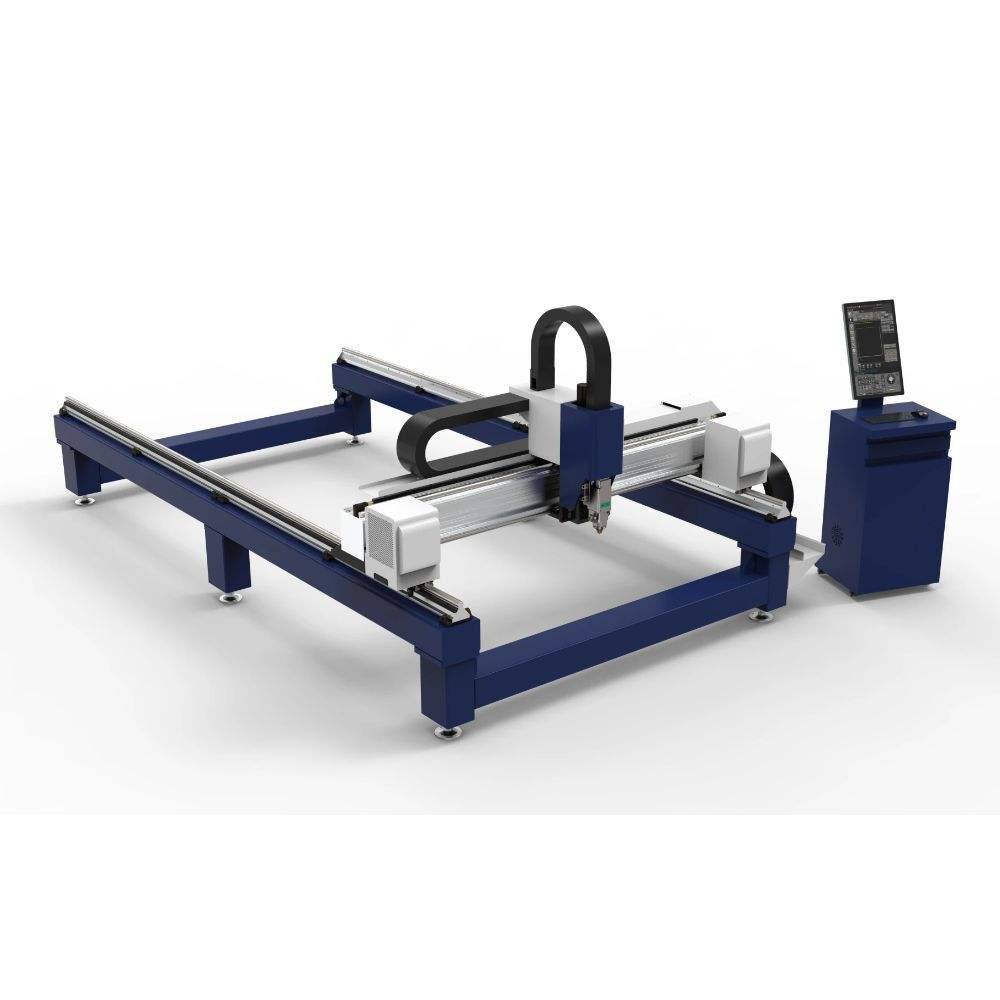
In the industrial environment of Mexico City, dust and particulate matter are prevalent. A 1.5kW laser cutting machine requires a rigorous maintenance schedule to ensure the fiber delivery system and the cutting head remain pristine.
Optics and Protective Window Care
The most common failure point when cutting galvanized material is the contamination of the protective window. Zinc vapor is highly metallic and can easily bond to the glass if the assist gas pressure drops. Operators should inspect the protective window every 4-8 hours of operation. In Mexico City’s industrial sectors, using a HEPA-filtered positive pressure system inside the laser cabinet can prevent local smog and dust from entering the optical path.
Lubrication and Motion System
The rack and pinion systems, as well as the linear guides, are susceptible to the fine zinc dust produced during laser cutting. This dust is abrasive. Daily wiping of the rails and the application of high-quality lubricants suited for high-altitude temperature swings are essential. Automated lubrication systems are highly recommended for machines operating in the CDMX region to ensure consistent uptime.
Electrical Stability
The power grid in certain industrial areas of Mexico City can experience voltage fluctuations. A 1.5kW fiber laser is a sensitive electronic instrument. The installation of a dedicated voltage stabilizer and a proper grounding system is non-negotiable to protect the laser source and the CNC controller from surges that could cause catastrophic hardware failure.
Operational Safety and Fume Extraction
Cutting galvanized steel produces Zinc Oxide (ZnO) fumes. Inhaling these fumes can lead to “metal fume fever,” a temporary but debilitating condition. Given the density of the urban environment in Mexico City, environmental regulations regarding industrial emissions are strict.
Advanced Filtration Systems
A 1.5kW laser cutting setup must be equipped with a high-volume fume extractor. Because zinc particles are very fine, the extraction system should utilize a multi-stage filtration process, including a pre-filter for larger sparks and a main cartridge filter with an automatic pulse-cleaning mechanism. Ensuring that the exhaust air meets local SEDEMA (Secretaría del Medio Ambiente) standards is crucial for regulatory compliance and worker safety.
Economic Outlook and ROI in the Mexican Market
For a fabrication shop in Mexico City, the 1.5kW fiber laser represents a strategic asset. With the “nearshoring” trend bringing more automotive and appliance manufacturing to Mexico, the demand for high-precision galvanized parts is at an all-time high. The 1.5kW system offers a lower entry cost than 3kW or 6kW models while maintaining the ability to handle over 80% of the common sheet metal thicknesses used in these industries.
The Return on Investment (ROI) is typically realized within 12 to 18 months, depending on shift patterns. By reducing secondary finishing processes (like grinding) through superior laser cutting edge quality, shops can increase their throughput and compete effectively on both price and quality in the domestic and export markets.
Conclusion
The 1.5kW fiber laser is a workhorse for galvanized steel fabrication, provided that the engineering parameters are correctly adjusted for the specific atmospheric conditions of Mexico City. By understanding the interaction between the laser beam and the zinc coating, optimizing assist gas delivery, and maintaining the system against the local environment, manufacturers can achieve world-class precision. As the industrial landscape of Mexico continues to evolve, the integration of such high-efficiency laser cutting technology will remain a cornerstone of competitive manufacturing.













