Introduction to 4kW Precision Laser Systems in Puebla’s Industrial Sector
The industrial landscape of Puebla, Mexico, has undergone a massive transformation over the last decade. As one of the country’s primary hubs for automotive manufacturing and structural engineering, the demand for high-precision metal fabrication has never been higher. At the heart of this technological shift is the 4kW precision laser system. This specific power rating—4,000 watts—represents a “sweet spot” for many fabricators, offering a balance between high-speed throughput and the delicate control required for complex geometries.
For facilities operating in the Puebla-Tlaxcala valley, the adoption of fiber laser technology is no longer an option but a necessity to remain competitive in global supply chains. Whether supplying components to the Volkswagen or Audi plants or supporting the local construction boom, the ability to process galvanized steel with accuracy and minimal post-processing is a critical advantage. This guide explores the technical intricacies of utilizing a 4kW system specifically for galvanized materials within this unique geographic and economic context.
 laser cutting Machine”>
The Mechanics of 4kW Fiber Laser Technology
To understand why a 4kW system is ideal for galvanized steel, one must first understand the physics of fiber laser cutting. Unlike CO2 lasers, fiber lasers use a solid-state gain medium. The beam is generated through a series of pump diodes and delivered via a flexible fiber optic cable. This results in a beam with a wavelength of approximately 1.06 microns—roughly ten times shorter than that of a CO2 laser.
Power Density and Beam Quality
In a 4kW system, the power density at the focal point is immense. This allows for rapid vaporization of the metal, creating a narrow kerf (the width of the cut). For galvanized steel, which features a protective zinc coating, this high power density is vital. It allows the laser to pierce through the reflective zinc layer and the underlying carbon steel substrate almost instantaneously, reducing the heat-affected zone (HAZ) and preventing the zinc from delaminating or boiling off excessively around the cut edge.
Energy Efficiency and Operational Costs in Puebla
Operating in Puebla involves navigating specific energy costs and environmental regulations. 4kW fiber lasers are significantly more energy-efficient than older technologies, often boasting wall-plug efficiencies of over 30%. This translates to lower overhead for local shops. Furthermore, the lack of mirrors and bellows in the delivery system reduces maintenance downtime, a crucial factor for the high-volume production schedules common in the region’s automotive tier-1 and tier-2 suppliers.
Challenges and Solutions for Galvanized Steel
Galvanized steel is widely used in Puebla’s construction and automotive sectors due to its superior corrosion resistance. However, the very coating that protects the steel—zinc—poses significant challenges for laser cutting processes. Zinc has a much lower melting point (approx. 419°C) than the underlying steel (approx. 1500°C).
Managing Zinc Vaporization
During the cutting process, the zinc coating vaporizes before the steel melts. This vapor can interfere with the laser beam and create “spatter” or “dross” on the underside of the workpiece. A 4kW system provides the necessary “punch” to move through the material quickly enough that the vapor is evacuated by the assist gas before it can settle or interfere with the beam’s path. Precision control over the pulse frequency and duty cycle allows operators in Puebla to fine-tune the energy input, ensuring a clean edge that requires no secondary grinding.
Assist Gas Selection: Nitrogen vs. Oxygen
For 4kW systems, the choice of assist gas is paramount. When cutting galvanized steel, Nitrogen is typically the preferred choice. Nitrogen acts as a mechanical force to blow away molten material without causing an exothermic reaction. This results in a “bright” or silver edge, which is essential if the parts are to be welded or painted later. If Oxygen were used, the resulting oxidation could compromise the integrity of the zinc protection near the cut and lead to premature rusting in Puebla’s occasionally humid climate.
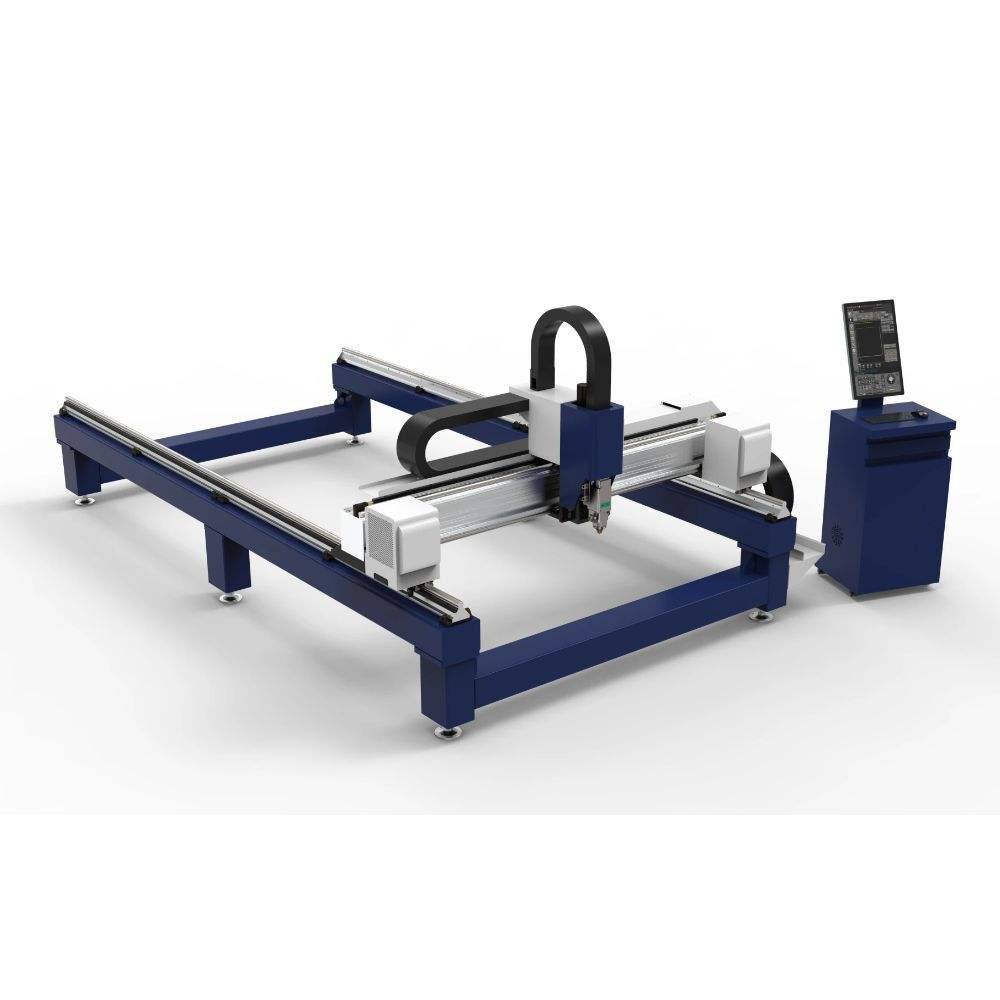 laser cutting machine for Precision Work”>
Optimizing the 4kW System for Puebla’s Environment
Puebla’s geographical location presents unique variables for precision machinery. Situated at an altitude of over 2,100 meters, the atmospheric pressure and air density differ from sea-level facilities. This can affect cooling systems and fume extraction efficiency.
High-Altitude Cooling Requirements
A 4kW laser generates significant heat within the resonator and the cutting head. At higher altitudes, air-cooled chillers may experience a slight drop in efficiency. It is critical for shops in Puebla to ensure their 4kW systems are paired with robust, oversized water-cooling units. Maintaining a consistent temperature for the laser source and the optical elements is the only way to ensure long-term beam stability and prevent “thermal drift,” which can cause the focal point to shift during long production runs.
Fume Extraction and Environmental Safety
Cutting galvanized steel produces zinc oxide fumes, which are hazardous if inhaled. In accordance with Mexican environmental standards (NOM), shops in Puebla must utilize high-efficiency dust collectors and fume extraction systems. A 4kW laser cutting machine generates a high volume of particulate matter due to its speed. Integrated “shuttle table” designs with zoned extraction allow the vacuum force to be concentrated directly under the cutting head, effectively removing toxic vapors before they enter the shop floor environment.
Advanced Applications in the Automotive Supply Chain
Puebla is synonymous with automotive excellence. The 4kW laser is the workhorse of this industry, particularly for structural components, brackets, and safety reinforcements made from galvanized High-Strength Low-Alloy (HSLA) steel.
Precision and Repeatability
The tolerance requirements for automotive components are often measured in microns. Modern 4kW systems utilize high-precision linear motors and sophisticated CNC controllers that can maintain a positioning accuracy of ±0.03mm. For a manufacturer in Puebla producing thousands of identical galvanized brackets, this repeatability ensures that every part fits perfectly into the automated assembly lines of the major OEMs.
Nesting and Material Utilization
With the fluctuating cost of raw materials in the Mexican market, maximizing sheet utilization is essential. Advanced nesting software paired with 4kW laser cutting hardware allows for incredibly tight spacing between parts. The narrow kerf of the fiber laser means that parts can be “common-line” cut, where a single pass of the laser creates the edge for two different components, significantly reducing scrap waste and increasing the profit margin per sheet of galvanized steel.
Maintenance Protocols for Precision Performance
To keep a 4kW system running at peak performance in an industrial environment like Puebla, a rigorous maintenance schedule must be followed. The precision of the system is only as good as its weakest component.
Optical Health and Nozzle Care
The protective window (cover glass) of the cutting head is the most frequent point of failure. When cutting galvanized steel, the risk of “back-reflection” and spatter is high. Operators must inspect the cover glass daily for any signs of pitting or contamination. Even a tiny speck of dust can absorb laser energy, heat up, and shatter the glass, potentially damaging the expensive focusing lenses above it. Similarly, nozzle centering must be checked at the start of every shift to ensure the assist gas flow is perfectly concentric with the laser beam.
Lubrication and Motion Systems
Puebla’s industrial zones can be dusty. The rack-and-pinion or linear guide systems of the laser must be kept clean and properly lubricated. Automated lubrication systems are highly recommended for 4kW machines, as they ensure that the gantry moves smoothly even at high acceleration rates (often up to 1.5G or 2.0G). Any friction in the motion system will manifest as “jitter” in the cut edge, particularly on circular holes or intricate curves in galvanized plate.
Conclusion: The Future of Fabrication in Puebla
The 4kW precision laser system has redefined what is possible for metal fabricators in Puebla. By mastering the nuances of laser cutting galvanized steel—from managing zinc vaporization to optimizing gas pressures—local manufacturers can produce world-class components that meet the most stringent international standards.
As the region continues to grow as a global manufacturing powerhouse, the integration of high-power fiber lasers will be the defining factor in operational success. Investing in a 4kW system is not just about purchasing a machine; it is about adopting a process that offers unparalleled speed, precision, and versatility. For the engineers and business owners of Puebla, this technology provides the tools necessary to turn raw galvanized sheets into the infrastructure and vehicles of tomorrow, ensuring the region remains at the forefront of the industrial world.













