The Evolution of Ultra-High Power laser cutting in Toluca’s Industrial Sector
The manufacturing landscape in Toluca, Estado de México, has undergone a radical transformation over the last decade. As a primary hub for automotive, aerospace, and heavy machinery production, the demand for high-precision components has pushed local fabricators toward increasingly powerful technology. The introduction of the 40kW precision laser system represents the current pinnacle of this evolution. By moving beyond the limitations of lower-wattage systems, 40kW fiber lasers offer unprecedented throughput and the ability to process thick-section carbon steel with the kind of edge quality that was previously only achievable through secondary machining processes.
In the context of laser cutting, power is not merely about speed; it is about the physics of energy density and the efficiency of the melt-ejection process. For Toluca’s heavy industry, which supports global supply chains, the adoption of 40kW technology is a strategic move to reduce lead times and minimize the cost-per-part while maintaining rigorous international quality standards.
Technical Superiority of the 40kW Fiber Laser Source
A 40kW fiber laser system is an engineering marvel that utilizes multiple laser modules combined into a single beam delivery fiber. At this power level, the energy density at the focal point is immense, allowing for the instantaneous sublimation and melting of carbon steel. Unlike CO2 lasers of the past, fiber laser technology at 40kW operates at a wavelength of approximately 1.06 microns, which is more readily absorbed by metallic materials, particularly carbon steel.
Enhanced Beam Quality and Energy Density
The precision of a 40kW system is defined by its Beam Parameter Product (BPP). Despite the massive power output, modern 40kW sources maintain a high-quality beam profile, ensuring that the kerf remains narrow even when cutting through 30mm to 50mm plates. This high energy density allows for a smaller heat-affected zone (HAZ), which is critical for maintaining the structural integrity of carbon steel components used in load-bearing applications.
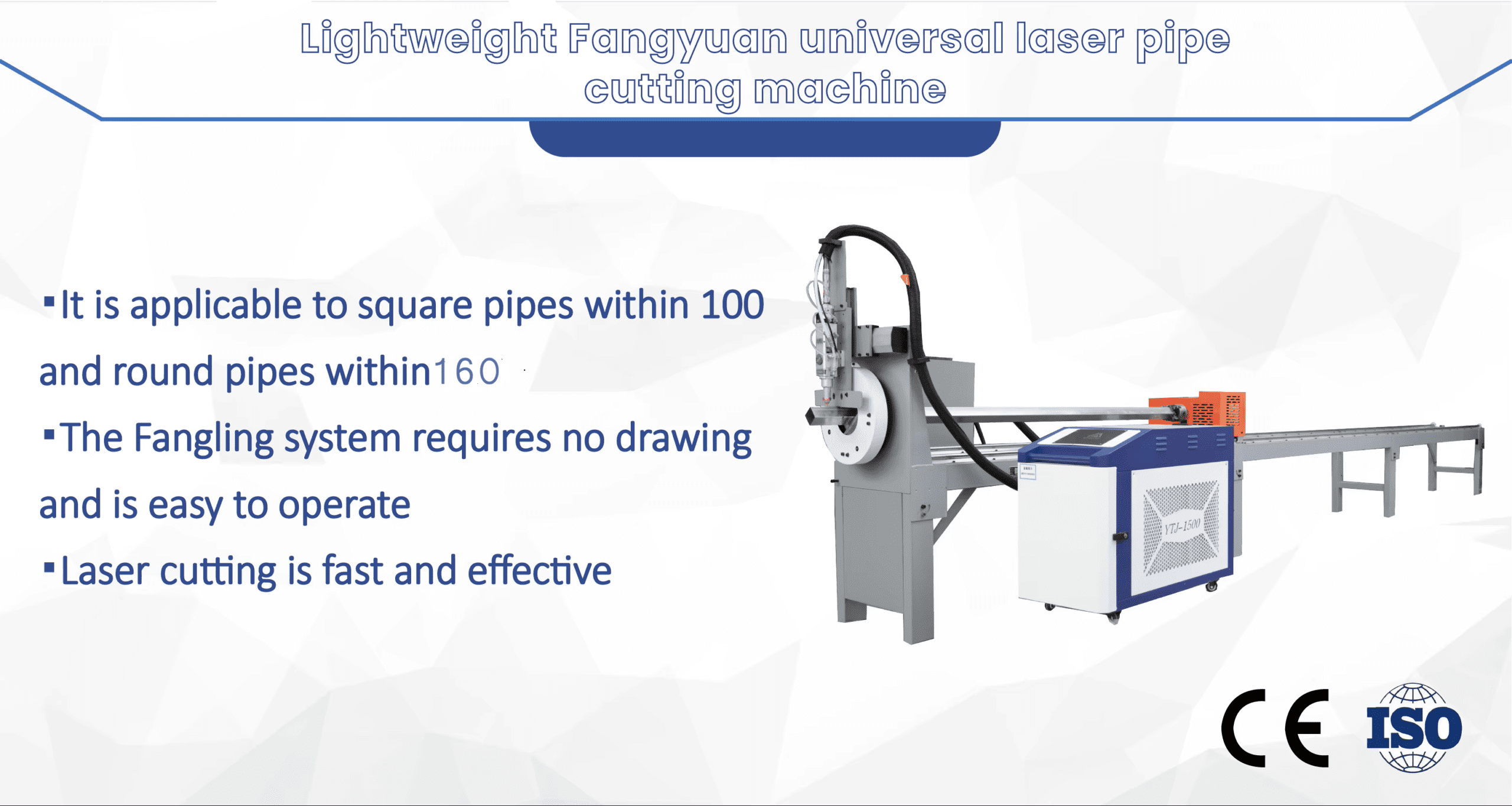 laser cutting machine” style=”width: 100%; max-width: 800px; height: auto; margin: 20px 0;”>
Thermal Management and Cooling Requirements
Operating a 40kW system requires a sophisticated thermal management strategy. The conversion of electrical energy to laser light generates significant heat within the resonator and the cutting head. High-capacity industrial chillers with dual-circuit cooling are mandatory. In Toluca, where the ambient temperature can fluctuate and the altitude affects air cooling efficiency, these chillers must be rated for continuous duty cycles to prevent thermal lensing—a phenomenon where the optical components distort due to heat, shifting the focal point and degrading the laser cutting quality.
Optimizing Carbon Steel Processing Parameters
Carbon steel is the backbone of Toluca’s industrial output. From A36 structural steel to high-carbon alloys used in automotive stamping dies, the 40kW laser provides a versatile solution for varying thicknesses. However, achieving precision requires a deep understanding of the interplay between power, feed rate, and auxiliary gas pressure.
Oxygen vs. Nitrogen: The Gas Dynamics
For carbon steel, the choice of auxiliary gas is pivotal. Traditionally, oxygen has been used for “reactive cutting,” where the exothermic reaction between the oxygen and the iron adds heat to the process, allowing for lower power requirements. However, with a 40kW system, nitrogen “high-pressure” cutting becomes a viable and often superior alternative for thicknesses up to 20mm. Nitrogen cutting relies purely on the kinetic energy of the gas to eject the melt, resulting in an oxide-free edge that is ready for immediate welding or painting without the need for abrasive cleaning.
Piercing Efficiency in Heavy Plate
One of the most significant bottlenecks in heavy-plate laser cutting is the piercing time. A 40kW system utilizes “flash piercing” or multi-stage frequency-modulated piercing. By applying massive power in short bursts with controlled gas pressure, the system can penetrate 40mm carbon steel in a fraction of the time required by a 12kW or 20kW system. This not only increases overall productivity but also reduces the risk of slag accumulation on the plate surface, which can interfere with the cutting nozzle’s capacitive height sensing.

Environmental and Altitude Considerations for Toluca Operations
Toluca sits at an elevation of approximately 2,680 meters (8,790 feet) above sea level. For precision engineering, this altitude introduces specific challenges that must be addressed during the installation and calibration of a 40kW laser system. The lower atmospheric pressure affects the density of the air and the behavior of the auxiliary gases used in the laser cutting process.
Atmospheric Pressure and Gas Flow
At higher altitudes, the flow dynamics of nitrogen and oxygen through the cutting nozzle change. Engineers must recalibrate gas pressure settings to ensure that the volume of gas reaching the melt pool is sufficient to clear the molten material. Furthermore, the cooling efficiency of air-cooled components is reduced by roughly 10-15% due to the thinner atmosphere. This necessitates the use of oversized heat exchangers and robust filtration systems to protect the optical path from the dust and particulates common in industrial zones like Lerma and Toluca.
Power Supply Stability
The electrical infrastructure in high-density industrial parks requires stabilization to support the 40kW laser’s power draw. Voltage fluctuations can lead to inconsistencies in the laser beam’s stability. Implementing high-capacity industrial voltage regulators and dedicated transformers is standard practice for ensuring that the precision of the laser cutting remains constant across three-shift operations.
Structural Integrity and Heat-Affected Zones (HAZ)
In professional engineering, the Heat-Affected Zone is a critical metric. When cutting carbon steel for the automotive or construction sectors, excessive heat can alter the microstructure of the metal, leading to brittleness or reduced fatigue strength. The 40kW laser’s primary advantage is its speed. By moving the heat source across the material at higher velocities, the total heat input into the workpiece is minimized. This results in a much narrower HAZ compared to plasma cutting or lower-power laser systems. For Toluca’s engineers, this means parts retain their specified mechanical properties, and the risk of thermal distortion in long, narrow components is significantly reduced.
Economic Impact and Throughput Analysis
The capital investment in a 40kW system is substantial, but the Return on Investment (ROI) is driven by throughput. In a competitive market like Toluca, where Tier 1 and Tier 2 suppliers are under constant pressure to optimize costs, the 40kW laser offers a “force multiplier” effect. For example, in 25mm carbon steel, a 40kW system can achieve cutting speeds 3 to 4 times faster than a 12kW system. This allows a single machine to do the work of three, reducing the required floor space, labor costs, and energy consumption per part.
Maintenance Protocols for High-Altitude Industrial Zones
To maintain the precision of a 40kW system, a rigorous maintenance schedule is non-negotiable. This includes:
- Optical Path Inspection: Checking for contamination in the protective windows and collimating lenses.
- Nozzle Calibration: Ensuring the concentricity of the beam within the nozzle to prevent asymmetrical kerfs.
- Chiller Fluid Analysis: Monitoring the conductivity of the cooling water to prevent electrolysis and corrosion within the laser modules.
- Dust Extraction: High-power laser cutting of carbon steel produces significant amounts of iron oxide dust; high-efficiency particulate air (HEPA) filtration systems must be serviced regularly to maintain a safe working environment and protect the machine’s mechanical guides.
Conclusion: Future-Proofing Manufacturing in Toluca
The adoption of 40kW precision laser systems is more than a trend; it is a fundamental shift in how carbon steel is processed in Mexico’s industrial heartland. By combining extreme power with sophisticated CNC controls and specialized optics, manufacturers in Toluca can tackle the most demanding projects with confidence. As the automotive industry shifts toward electric vehicles and lighter, stronger structural components, the ability to perform high-speed, high-precision laser cutting on thick-section materials will be the defining characteristic of successful fabrication facilities. Investing in 40kW technology is not just about meeting today’s production quotas; it is about establishing the technical infrastructure necessary for the next generation of industrial excellence.













