Optimizing 3kW Precision Laser Systems for Carbon Steel in Mexico City
The industrial landscape of Mexico City (CDMX) and its surrounding metropolitan areas, such as Naucalpan and Tlalnepantla, has seen a significant shift toward high-precision fabrication. At the heart of this transformation is the 3kW fiber laser cutting system. This power level represents the “sweet spot” for medium-to-heavy industrial applications, particularly when processing carbon steel—the backbone of the Mexican construction, automotive, and heavy machinery sectors.
Operating a high-precision laser in the Valley of Mexico presents unique engineering challenges. With an average elevation of 2,240 meters above sea level, atmospheric pressure and oxygen concentration differ significantly from coastal manufacturing hubs. This guide explores the technical nuances of utilizing a 3kW laser cutting system for carbon steel within this specific environmental and economic context.
The Technical Advantage of 3kW Fiber Technology
A 3kW fiber laser source offers a specific power density that is ideal for carbon steel. Unlike CO2 lasers of the past, fiber technology operates at a wavelength of approximately 1.06 microns. Carbon steel exhibits high absorption rates at this wavelength, meaning more energy is converted into heat at the material surface, leading to faster piercing and cleaner kerfs. For a 3kW system, the optimal thickness range for carbon steel typically spans from 1mm to 20mm, with high-speed efficiency peaking between 3mm and 12mm.
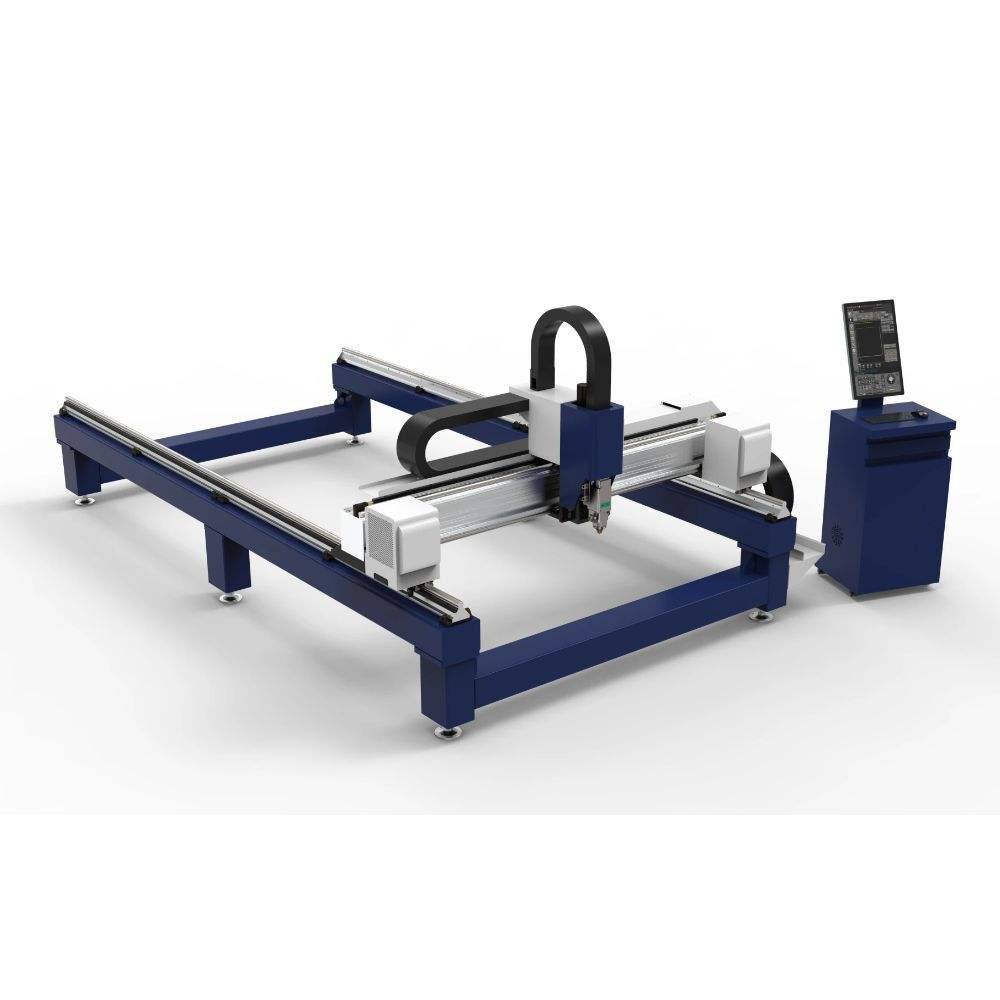
 laser cutting machine” style=”max-width: 100%; height: auto; margin: 20px 0;”>
Environmental Considerations: Altitude and Atmosphere in CDMX
Engineering a laser cutting process in Mexico City requires accounting for the lower atmospheric pressure. At 2,240 meters, the air is roughly 20-25% less dense than at sea level. This affects the laser cutting process in two primary ways: gas dynamics and thermal management.
First, the assist gas—typically Oxygen (O2) for carbon steel—behaves differently as it exits the nozzle. The lower ambient pressure can lead to different expansion characteristics of the gas jet, which may necessitate slight adjustments in nozzle standoff distance and pressure settings compared to manufacturer specifications derived at sea level. Second, cooling systems (chillers) are less efficient at high altitudes because thinner air carries away less heat from the condenser coils. For a 3kW system operating in CDMX, it is often recommended to over-spec the chiller capacity or ensure superior ventilation to prevent thermal instability in the laser source.
Material Science: Processing Carbon Steel
Carbon steel, specifically grades like ASTM A36 or SAE 1018, is widely used in Mexican infrastructure. When laser cutting these materials with a 3kW system, the goal is to balance the exothermic reaction of the oxygen assist gas with the raw power of the fiber beam.
Oxygen vs. Nitrogen Assist Gases
For carbon steel, Oxygen is the standard assist gas. It reacts with the iron in the steel to create an exothermic reaction, adding thermal energy to the cut and allowing for greater thicknesses to be processed at lower power levels. However, this leaves a thin oxide layer on the edge. In Mexico City’s high-altitude environment, the purity of Oxygen is paramount. Even a 0.5% drop in O2 purity can result in a 20% reduction in cutting speed and a significant increase in dross (slag) formation.
Nitrogen is occasionally used for thinner carbon steel (under 3mm) when a “clean” or “bright” edge is required for immediate painting or welding without secondary cleaning. However, the 3kW power limit means Nitrogen cutting of carbon steel is less efficient for plates thicker than 4mm compared to Oxygen-assisted cutting.
Piercing Strategies for Thick Plate
In the 12mm to 20mm range, the piercing phase is critical. A 3kW system utilizes multi-stage piercing to prevent “blowouts” and lens contamination. This involves a high-frequency, low-duty cycle pulse to gradually melt through the material before transitioning to a continuous wave for the actual cut. In the industrial zones of CDMX, where power grid stability can sometimes fluctuate, the use of high-quality voltage regulators is essential to ensure these micro-second pulses remain consistent, protecting the sensitive fiber optics from back-reflection.
Precision Parameters and Optimization
Achieving “precision” in laser cutting is a function of beam quality (M2 factor), focal length selection, and motion control. A 3kW system typically uses a 150mm or 200mm focal length lens for carbon steel. The longer focal length provides a deeper “depth of field,” which is necessary to maintain a consistent kerf width through thicker plates.
Nozzle Centering and Calibration
For shops in Mexico City, daily calibration is a requirement. The thermal expansion of the cutting head components during long shifts can cause the beam to drift off-center relative to the nozzle orifice. This results in asymmetrical cuts, where one side of a part is clean while the other has heavy dross. Using a double-nozzle configuration for carbon steel helps stabilize the gas flow, but only if the centering is checked every 4-8 hours of operation.
The Role of Software and Nesting
Precision is not just about the cut edge; it is about dimensional accuracy. Advanced CAD/CAM software allows operators in Mexico to implement “lead-ins” and “lead-outs” that prevent burn marks at the start and end of a cut. Furthermore, heat management through intelligent nesting is vital. When cutting multiple parts from a large sheet of carbon steel, the software should distribute the cuts across the sheet to prevent localized heat buildup, which can cause the material to warp and the laser to lose focus.
Maintenance and Longevity in Industrial Mexico
The operational environment in Mexico City can be dusty, especially in older industrial parks. Fiber laser cutting systems are sensitive to particulate matter. A single dust speck on a protective window can absorb 3kW of energy, instantly shattering the glass and potentially damaging the cutting head.
Filtration and Air Quality
Maintaining a pressurized, filtered environment for the laser source and the chiller is non-negotiable. The air used for the pneumatic systems and the “air-blast” must be dried and filtered to remove all traces of oil and water. In the humid summers of the Mexican plateau, refrigerated air dryers are essential to prevent condensation within the fiber delivery cable.
Consumable Management
To maintain high precision, a strict schedule for consumable replacement must be followed. This includes:
- Copper Nozzles: Replace if the orifice is deformed or if there is significant spatter buildup.
- Protective Windows: Inspect daily; replace at the first sign of pitting.
- Ceramic Rings: Ensure they are intact to maintain the capacitive height sensing accuracy.
Economic Impact for Mexican Fabricators
The transition to a 3kW laser cutting system offers a rapid Return on Investment (ROI) for Mexican SMEs. By eliminating the need for secondary grinding and reducing the reliance on older, slower plasma cutters, shops can increase their throughput by 300-400%. In the competitive market of CDMX, where “just-in-time” delivery is increasingly demanded by automotive Tier 1 and Tier 2 suppliers, the reliability and speed of a 3kW fiber laser provide a significant edge.
Conclusion
The 3kW precision laser system is a formidable tool for carbon steel fabrication in Mexico City. By understanding the interplay between high-altitude physics, material science, and rigorous maintenance, engineers can unlock the full potential of these machines. Whether it is for structural components, intricate architectural designs, or automotive parts, the 3kW fiber laser remains the industry standard for efficiency and precision in the heart of Mexico’s industrial sector.













