Introduction to 3kW Fiber laser cutting in Mexico City’s Industrial Landscape
In the heart of Mexico’s industrial resurgence, particularly within the Vallejo area and the surrounding industrial corridors of the State of Mexico, the adoption of high-precision fiber laser technology has become a cornerstone for competitive manufacturing. The 3kW sheet metal fiber laser represents the “sweet spot” of efficiency, power, and capital investment for medium-to-heavy fabricators. As Mexico City continues to position itself as a hub for aerospace, automotive, and food-grade equipment manufacturing, the ability to process stainless steel with high speed and precision is no longer a luxury—it is a technical requirement.
The 3kW power rating is specifically engineered to bridge the gap between thin-gauge precision and thick-plate capability. In an environment like Mexico City, where logistical efficiency and material yield are critical to maintaining margins, the 3kW fiber laser offers a versatile solution for cutting stainless steel alloys. This guide explores the technical parameters, environmental considerations, and operational best practices for deploying 3kW laser cutting systems in the high-altitude, high-demand market of Central Mexico.
Why 3kW is the Optimal Power for Stainless Steel
Stainless steel, known for its high thermal reflectivity and structural integrity, requires a concentrated energy source to achieve a clean melt-and-blown kerf. A 3kW fiber laser provides the necessary photon density to overcome the reflectivity of grades such as 304 and 316. While lower-wattage machines may struggle with dross formation or slow feed rates on plates exceeding 5mm, the 3kW system maintains high linear speeds, ensuring a smaller Heat Affected Zone (HAZ).
Material Thickness and Feed Rates
For stainless steel applications, a 3kW laser cutting system typically excels in the 1mm to 10mm range. While it can sever materials up to 12mm or even 15mm under ideal conditions, the “production cut” range—where the machine maintains maximum edge quality and speed—is usually up to 8mm. In this range, the 3kW power allows for rapid piercing and consistent travel speeds, which are essential for preventing the carbon precipitation that can occur if the material is exposed to high heat for too long.
 laser cutting machine” style=”width: 100%; max-width: 800px; height: auto; margin: 20px 0;”>
The Advantage of Fiber Over CO2
Historically, CO2 lasers were the standard for stainless steel. However, fiber laser technology, operating at a wavelength of approximately 1.06 microns, is absorbed much more efficiently by stainless steel than the 10.6-micron wavelength of CO2. This higher absorption rate means that a 3kW fiber laser can often outperform a 4kW or 5kW CO2 laser in terms of cutting speed and energy efficiency, particularly on thinner gauges. In the context of Mexico City’s energy costs, the lower electrical consumption of fiber systems provides a significant operational advantage.
Technical Nuances: Processing Stainless Steel in CDMX
Operating a 3kW laser cutting machine in Mexico City presents unique engineering challenges due to the city’s geographic location. At an elevation of approximately 2,240 meters (7,350 feet) above sea level, atmospheric pressure is significantly lower than at sea level. This affects the dynamics of auxiliary gases and the cooling efficiency of the system.
Auxiliary Gas Selection: The Nitrogen Requirement
To achieve the “bright finish” required for food-processing equipment and architectural components in the Mexican market, nitrogen (N2) is the auxiliary gas of choice. Nitrogen acts as a mechanical force to blow the molten metal out of the kerf without allowing it to react with oxygen. Because there is no exothermic reaction (unlike cutting carbon steel with oxygen), the 3kW laser must provide all the energy required to melt the metal.
At Mexico City’s altitude, the density of the air is lower, which can slightly alter the flow dynamics of the gas through the nozzle. Engineers must often calibrate the gas pressure slightly higher than they would at sea level to ensure consistent laminar flow. A high-pressure nitrogen setup (typically 15-20 bar) is mandatory for 3kW stainless steel laser cutting to ensure dross-free edges on the bottom of the sheet.
Cooling and Thermal Management
The thinner air at high altitudes also affects the heat exchange efficiency of the laser’s chiller unit. For a 3kW system, maintaining a stable temperature for both the laser source and the cutting head is vital for beam stability. In Mexico City, it is recommended to use oversized chillers or units specifically rated for high-altitude operation to prevent overheating during the warm afternoon periods common in the Valley of Mexico.
Advanced Hardware Components for Sheet Metal
The success of a 3kW laser cutting operation depends heavily on the integration of the laser source with the motion system. For stainless steel, precision is paramount, as any vibration in the gantry will be immediately visible on the cut edge.
High-Precision Gantry and Linear Motors
To utilize the 3kW power effectively, the machine must be capable of high acceleration. Stainless steel parts often involve intricate geometries, such as those found in custom signage or precision brackets. A robust gantry system ensures that the laser head can navigate sharp corners without decelerating to the point where heat builds up and ruins the edge quality.
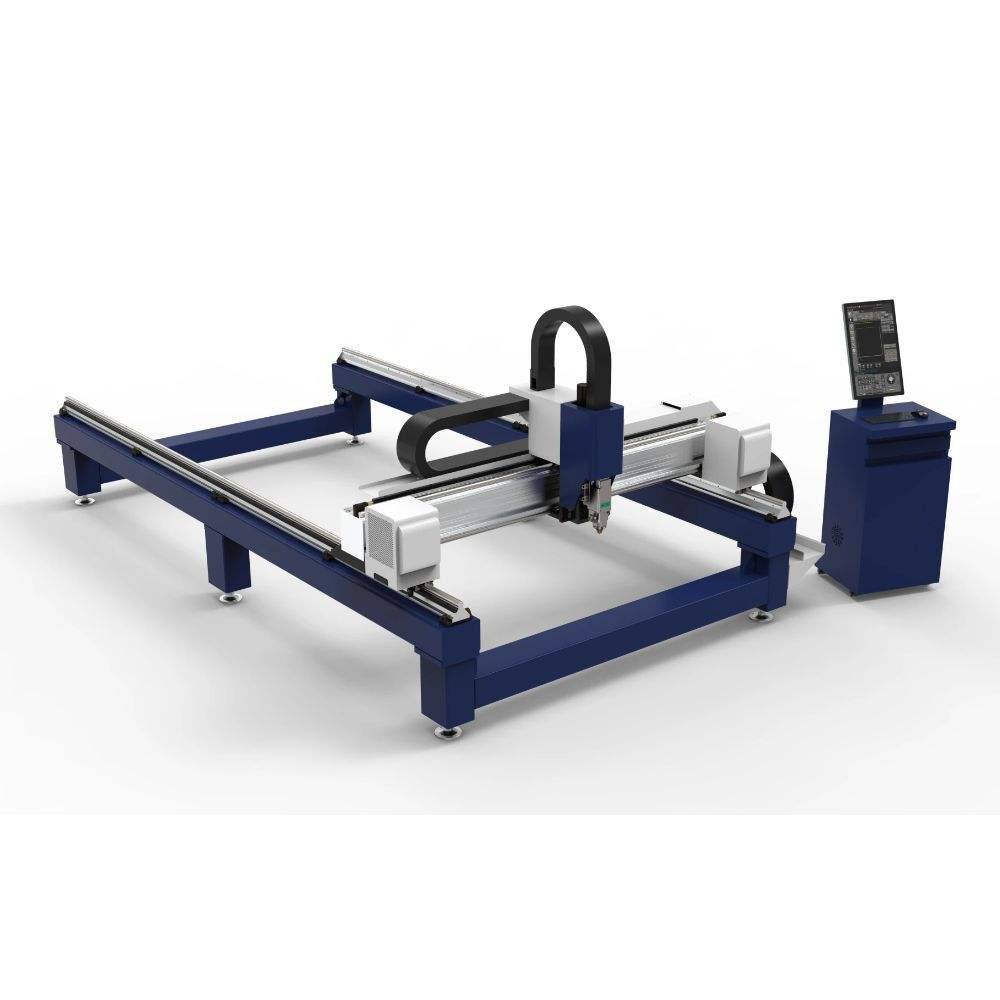
Auto-Focus Cutting Heads
Modern 3kW systems should be equipped with auto-focus cutting heads. When cutting stainless steel of varying thicknesses, the focal point must be adjusted precisely—often positioned slightly below the surface of the material for nitrogen cutting. Auto-focus technology allows the machine to adjust the focal length in milliseconds during the piercing and cutting process, increasing productivity and reducing the margin for operator error.
Optimizing Edge Quality and Post-Processing
In the competitive Mexico City market, reducing secondary operations is the key to profitability. If a 3kW laser cutting machine is dialed in correctly, the stainless steel parts should require little to no deburring or grinding.
Nozzle Selection and Alignment
For stainless steel, double-layer nozzles are rarely used; instead, high-speed single-layer nozzles are standard. The diameter of the nozzle (typically 1.5mm to 3.0mm for 3kW) must be perfectly centered with the laser beam. Even a slight misalignment can cause asymmetrical dross or a “beveled” edge, which is unacceptable for high-end architectural stainless steel work in CDMX’s luxury construction sector.
Frequency and Duty Cycle Tuning
When cutting intricate details or sharp corners in stainless steel, the “power modulation” feature of the fiber laser becomes critical. By reducing the frequency and duty cycle at lower speeds, the 3kW laser prevents “over-burning” the corners. This ensures that the fine details of a design are preserved, which is particularly important for the local jewelry, medical device, and electronics industries.
Economic Impact and ROI in the Mexican Market
The investment in a 3kW sheet metal laser in Mexico City is often driven by the “Nearshoring” trend. As companies move manufacturing closer to the North American market, the demand for high-quality stainless steel components has surged.
Labor vs. Technology
While Mexico has traditionally relied on a large labor force, the shift toward 3kW laser cutting represents a move toward high-skill technical operation. One 3kW fiber laser can replace multiple traditional punching or plasma cutting stations, significantly reducing the footprint required in expensive industrial real estate like that found in Naucalpan or Tlalnepantla. The ROI is typically realized through reduced material waste (due to the narrow kerf) and the elimination of expensive tooling costs associated with mechanical presses.
Maintenance in the CDMX Environment
Dust and particulate matter in the urban environment of Mexico City can be detrimental to optical components. A 3kW laser cutting system must be housed in a controlled environment, or at the very least, equipped with a high-quality dust extraction and filtration system. Regular maintenance of the protective windows and the cleanliness of the cutting head optics are non-negotiable for maintaining the beam quality necessary for stainless steel.
Conclusion: The Future of Metal Fabrication in Mexico City
The 3kW fiber laser is more than just a tool; it is a catalyst for industrial modernization in Mexico City. By mastering the specific parameters required for stainless steel—ranging from gas pressure adjustments for high altitude to the precision of auto-focus cutting heads—local manufacturers can produce world-class components that meet international standards.
As the “Made in Mexico” label gains further prestige in the global market, the precision offered by 3kW laser cutting will continue to be the standard for excellence. Whether it is for the production of kitchen equipment, automotive exhaust systems, or custom architectural features, the 3kW sheet metal laser remains the most versatile and efficient investment for the forward-thinking Mexican fabricator.













