Comprehensive Engineering Guide: 3kW Sheet Metal laser cutting of Brass in Mexico City
The industrial landscape of Mexico City (CDMX) and its surrounding metropolitan areas, such as Tlalnepantla and Naucalpan, has seen a significant shift toward high-precision fabrication. Among the various technologies driving this evolution, the 3kW fiber laser has emerged as the workhorse for medium-to-heavy sheet metal applications. When dealing with “yellow metals” like brass, the technical requirements become more stringent due to the material’s high thermal conductivity and reflectivity. This guide examines the engineering principles, operational parameters, and environmental considerations for laser cutting brass using a 3kW system within the specific context of the Mexican highlands.
The Rise of Fiber Laser Technology in the Mexican Market
For decades, CO2 lasers dominated the Mexican manufacturing sector. However, the introduction of fiber laser cutting technology revolutionized the processing of non-ferrous metals. A 3kW fiber laser operates at a wavelength of approximately 1.06 microns, which is absorbed much more efficiently by brass than the 10.6-micron wavelength of a CO2 laser. In the competitive industrial hubs of Mexico City, where energy costs and throughput are critical KPIs (Key Performance Indicators), the 3kW fiber system offers an optimal balance of capital investment and operational capability.
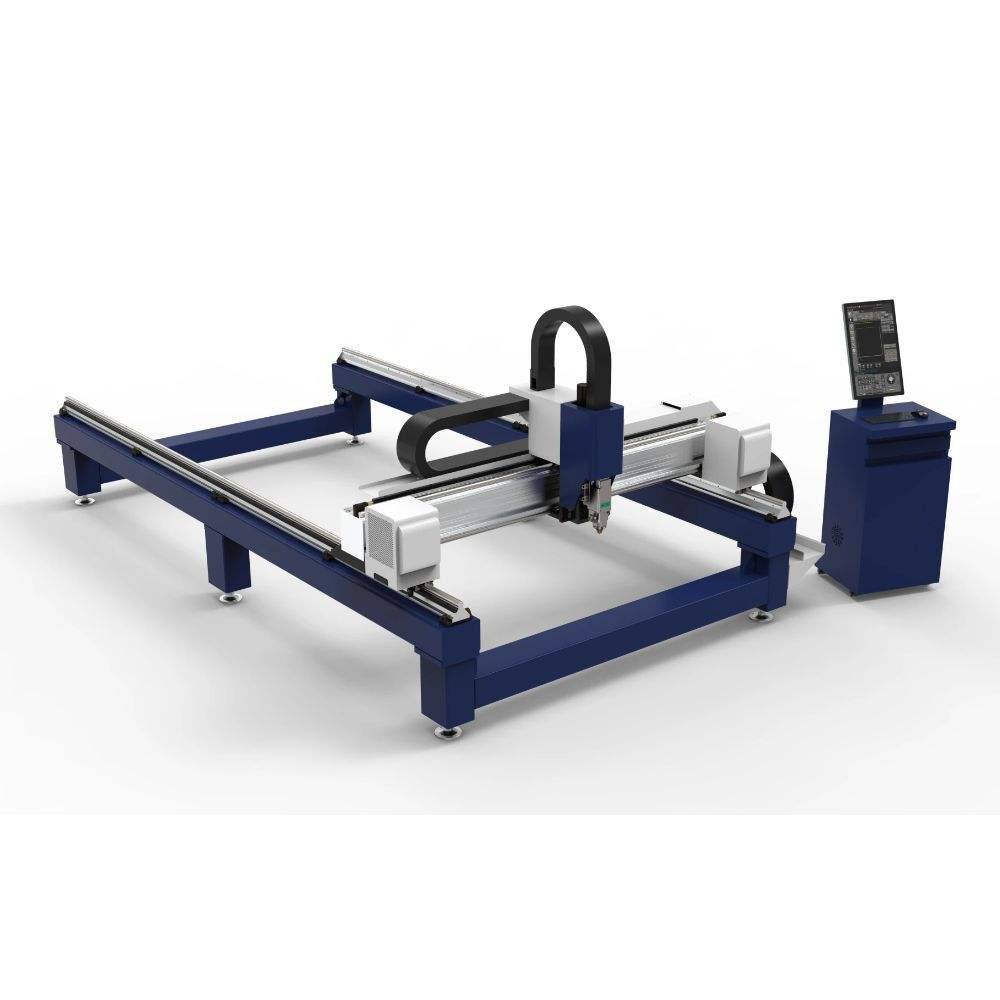
 laser cutting machine for sheet metal” style=”width: 100%; max-width: 800px; height: auto; margin: 20px 0;”>
Material Science: Understanding Brass for Laser Processing
Brass is an alloy primarily composed of copper and zinc. In the Mexican fabrication industry, common grades include C260 (Cartridge Brass) and C360 (Free Machining Brass). From an engineering perspective, brass presents two primary challenges: reflectivity and dross formation. Because brass reflects a significant portion of laser energy in its solid state, the initial “pierce” phase is critical. A 3kW power source provides the necessary energy density to overcome this reflective barrier quickly, transitioning the material into a molten state where absorption increases dramatically.
Furthermore, the zinc content in brass has a lower melting point than copper. During laser cutting, this can lead to vaporization issues if the parameters are not finely tuned. Engineers must manage the heat-affected zone (HAZ) to ensure that the structural integrity and aesthetic finish of the brass sheet—often used in architectural accents in Polanco or high-end furniture manufacturing in Lerma—remain uncompromised.
Technical Parameters for 3kW Brass Cutting
Operating a 3kW laser cutting machine requires a deep understanding of the relationship between power, speed, and assist gas. For brass thicknesses ranging from 1mm to 6mm, the following engineering considerations apply:
1. Assist Gas Selection
Nitrogen is the preferred assist gas for brass. It acts as a mechanical force to eject molten metal from the kerf without causing oxidation. In Mexico City, sourcing high-purity Nitrogen (99.999%) is essential. High-pressure Nitrogen (typically 12-18 bar) ensures a “clean cut” or “mirror finish” on the edge, which is vital for decorative brass components. While Oxygen can be used to increase speed in thicker sections, it often results in a darkened, oxidized edge that requires secondary finishing.
2. Nozzle Geometry and Focus Position
For a 3kW system, a double-layer nozzle is frequently utilized to stabilize gas flow. The focus position is typically set “negative” (below the material surface) to ensure the kerf is wide enough for the assist gas to clear the melt. This is particularly important for brass, where the high thermal conductivity tends to dissipate heat away from the cut line, potentially leading to “welding” of the dross to the bottom of the sheet.
Environmental Factors: The Mexico City Altitude Variable
Engineering a laser cutting operation in Mexico City requires accounting for its elevation (approximately 2,240 meters above sea level). The lower atmospheric pressure and oxygen density affect both the machine’s cooling systems and the physics of the assist gas.
Cooling Efficiency: Air-cooled chillers are less efficient at high altitudes because the thinner air carries away less heat. For a 3kW laser, the chiller must be over-specified or adjusted to ensure the laser source and cutting head maintain a constant temperature. Fluctuations in temperature can cause “thermal lensing,” where the focus of the laser shifts during long production runs, leading to inconsistent cut quality in brass.
Gas Dynamics: The behavior of high-pressure gas jets changes slightly at higher altitudes. Engineers should calibrate their flow rates and pressure settings to compensate for the reduced ambient pressure, ensuring that the kinetic energy of the Nitrogen jet is sufficient to evacuate the heavy, molten brass from the kerf.
Safety and Back-Reflection Protection
One of the greatest risks when laser cutting brass is back-reflection. If the laser beam is reflected directly back into the delivery fiber and the laser source, it can cause catastrophic hardware failure. Modern 3kW fiber lasers utilized in Mexico’s top-tier shops are equipped with optical isolators and back-reflection sensors. These systems detect reflected light and shut down the laser in milliseconds. When programming the CNC path, engineers should avoid “lead-ins” that are perpendicular to the cut path and ensure that the material is not perfectly level if reflection becomes a persistent issue.
Economic Impact and ROI for Mexican Fabricators
Investing in a 3kW laser cutting system for brass offers a significant competitive advantage in the North American market, especially under the framework of the USMCA (T-MEC). The ability to produce high-precision brass components locally in CDMX reduces lead times for industries ranging from electronics to luxury construction.
The ROI (Return on Investment) is driven by the speed of fiber technology. A 3kW laser can cut 2mm brass at speeds exceeding 8-10 meters per minute. When compared to traditional waterjet cutting or CNC milling, laser cutting significantly reduces the cost per part by eliminating tool wear and reducing gas consumption per meter. Furthermore, the precision of the fiber laser minimizes material waste—a crucial factor when processing expensive alloys like brass.
Maintenance Protocols in CDMX Industrial Zones
The air quality in certain industrial zones of Mexico City can be challenging for sensitive optical equipment. Dust and particulate matter can contaminate the protective windows of the cutting head. A strict maintenance schedule is required:
1. Optical Integrity
The protective lens must be inspected daily in a clean-room environment. Even a microscopic speck of dust can absorb 3kW of energy, causing the lens to crack and potentially damaging the internal collimating lenses.
2. Chiller Fluid Management
Given the mineral content in local water supplies, using deionized water with appropriate additives is non-negotiable to prevent scaling within the laser source’s cooling channels. Regular conductivity checks of the coolant are essential for 3kW systems.
Conclusion: The Future of Brass Fabrication
The integration of 3kW laser cutting technology into the Mexico City manufacturing ecosystem represents a maturation of the local industry. By mastering the technical nuances of brass—from its reflective properties to the atmospheric challenges of the Valley of Mexico—fabricators can achieve world-class results. As demand for high-quality, locally sourced metal components continues to grow, the 3kW fiber laser stands as the definitive tool for precision, efficiency, and industrial growth in the heart of Mexico.













