The Strategic Implementation of 2kW Precision Laser Systems in Leon’s Industrial Sector
Leon, Guanajuato, has long been recognized as a powerhouse of Mexican manufacturing. While traditionally famed for its leather and footwear industries, the region has rapidly diversified into automotive, aerospace, and heavy machinery sectors. Central to this industrial evolution is the adoption of advanced laser cutting technology. Specifically, the 2kW precision laser system has emerged as the “gold standard” for processing carbon steel, offering a perfect equilibrium between power efficiency, edge quality, and capital investment.
For manufacturers in Leon, the transition from traditional plasma or mechanical shearing to fiber laser systems represents a significant leap in precision. A 2kW fiber laser is uniquely suited for the thicknesses of carbon steel most commonly utilized in local supply chains—ranging from thin-gauge sheets for automotive components to mid-range plates for structural brackets and agricultural equipment. This guide explores the technical nuances, operational strategies, and regional advantages of deploying 2kW systems for carbon steel fabrication.
Understanding the 2kW Fiber Laser Advantage
The 2kW power rating is a strategic sweet spot in the world of laser cutting. While higher wattage machines exist, the 2kW system provides exceptional beam quality (BPP) that allows for a smaller focal spot. This high energy density is critical when processing carbon steel, as it minimizes the Heat Affected Zone (HAZ) and ensures that the structural integrity of the metal remains uncompromised. In the context of Leon’s rigorous automotive standards, maintaining the metallurgical properties of the workpiece is non-negotiable.
Fiber laser technology operates at a wavelength of approximately 1.06 microns. This wavelength is highly absorbable by carbon steel, leading to faster piercing times and higher feed rates compared to CO2 lasers of equivalent power. For a 2kW system, cutting speeds on 3mm carbon steel can exceed 8 meters per minute, depending on the assist gas used. This throughput is essential for Leon-based workshops looking to increase their daily output without expanding their physical footprint.

Material Specifics: Processing Carbon Steel in the Bajío Region
Carbon steel is the backbone of industrial construction in the Bajío region. Whether it is ASTM A36 or specialized high-strength low-alloy (HSLA) steels, the 2kW laser handles these materials with remarkable consistency. The primary challenge with carbon steel is managing the oxidation process during the cut. When laser cutting carbon steel, oxygen is typically used as the assist gas. The oxygen reacts exothermically with the iron in the steel, adding thermal energy to the process and allowing the laser to cut through thicker sections than it could with melt-and-blow methods alone.
In Leon’s manufacturing environment, precision is often dictated by the quality of the raw material. Local suppliers provide a variety of steel grades, and a 2kW system offers the flexibility to adjust parameters such as pulse frequency and duty cycle to accommodate variations in carbon content. For thicknesses up to 16mm, the 2kW laser delivers a clean, perpendicular edge with minimal dross, reducing the need for secondary grinding or finishing operations.
Optimizing Cutting Parameters for Maximum Precision
Achieving precision in laser cutting requires a deep understanding of the interplay between the laser beam and the material. For a 2kW system, the focal position is perhaps the most critical variable. When cutting carbon steel with oxygen, the focus is generally set at or slightly above the material surface to facilitate a wider kerf, which allows the oxidized slag to be blown out efficiently. Conversely, for thinner gauges where nitrogen might be used for a high-speed “bright cut,” the focus is buried deeper into the material.
Nozzle selection also plays a vital role. In Leon’s high-production environments, using double-layer nozzles for oxygen cutting helps stabilize the gas flow, ensuring that the pressure is consistent across the entire cutting path. This is particularly important for intricate geometries and sharp corners, where gas turbulence can lead to “burning” or loss of cut quality. Modern 2kW systems often feature automated nozzle changers and cleaning stations, which are essential for maintaining 24/7 operation in busy industrial parks like Puerto Interior.
Regional Considerations: Leon’s Climate and Infrastructure
Operating high-precision machinery in Leon requires consideration of the local environment. The region’s semi-arid climate and altitude can influence the performance of the cooling systems. A 2kW fiber laser requires a robust industrial chiller to maintain the temperature of both the laser source and the cutting head. Engineers in Leon must ensure that chillers are rated for the ambient temperatures often seen in the Bajío summers to prevent thermal drift, which can affect the focal point and overall cutting accuracy.
Furthermore, the stability of the local power grid is a factor. While Leon has excellent industrial infrastructure, installing voltage stabilizers and surge protectors is a standard engineering recommendation for laser cutting systems. This protects the sensitive CNC electronics and the fiber laser diodes from fluctuations, ensuring a long operational lifespan and consistent performance over years of heavy use.
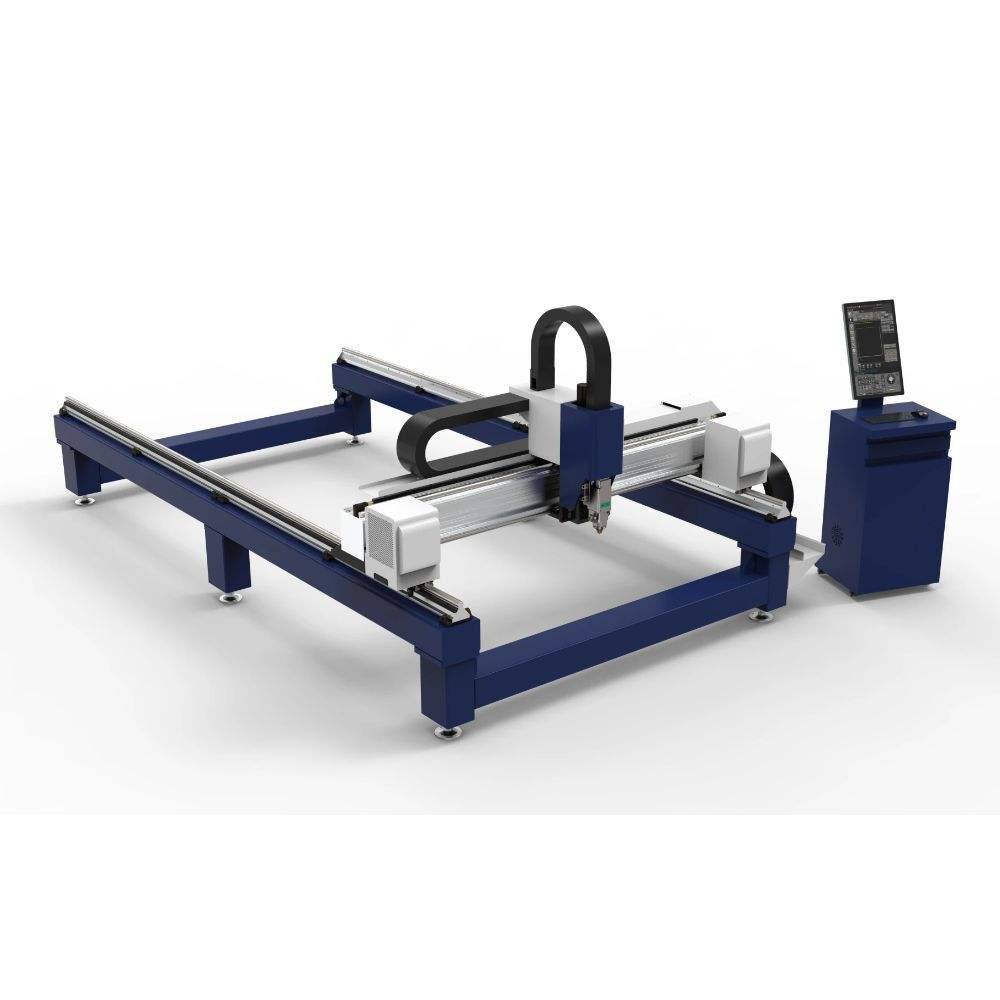
Software Integration and the Move Toward Industry 4.0
The hardware of a 2kW laser system is only half of the equation. In the competitive landscape of Leon, digital integration is what separates profitable shops from the rest. Advanced nesting software allows engineers to maximize material utilization, which is crucial given the fluctuating prices of carbon steel. By optimizing the layout of parts on a sheet, manufacturers can significantly reduce scrap rates, directly impacting the bottom line.
Modern 2kW systems are also equipped with sensors that provide real-time data on pierce detection, protective window monitoring, and gas consumption. Integrating this data into a centralized ERP system allows Leon-based companies to implement predictive maintenance schedules. Instead of waiting for a component to fail, the system alerts the operator when the lens requires cleaning or when the gas levels are low, ensuring that laser cutting operations remain uninterrupted.
Economic Impact and Return on Investment (ROI)
For a medium-sized fabrication shop in Leon, the ROI on a 2kW precision laser system is often realized within 18 to 24 months. This is driven by three factors: speed, versatility, and reduced labor costs. Compared to older plasma systems, the laser’s ability to cut small holes and complex tabs eliminates the need for subsequent drilling or milling. This “one-and-done” approach to part fabrication is essential for meeting the “Just-in-Time” (JIT) delivery requirements of the automotive assembly plants in the surrounding area.
Moreover, the energy efficiency of fiber technology is significantly higher than that of CO2 lasers. A 2kW fiber laser consumes about 70% less electricity than a 4kW CO2 laser while delivering comparable or superior performance on carbon steel up to 12mm. In a region where energy costs are a major operational overhead, these savings contribute directly to the competitive pricing that Leon manufacturers can offer their clients.
Maintenance Best Practices for Longevity
To maintain the precision of a 2kW system, a rigorous maintenance protocol must be followed. The fiber delivery cable, while robust, must be protected from extreme bends and vibrations. In the dusty environments of some metalworking shops, the cleanliness of the cutting head’s protective window is paramount. Even a microscopic speck of dust can absorb laser energy, leading to thermal damage of the lens and a degradation of the laser cutting quality.
Operators should be trained to perform daily inspections of the optics and the gas delivery system. Checking the alignment of the laser beam with the nozzle center is a five-minute task that can prevent hours of wasted material and downtime. In Leon, where technical labor is highly skilled, investing in specialized training for laser operators ensures that the machine is always running at its peak efficiency, extracting the maximum value from the 2kW power source.
Conclusion: The Future of Fabrication in Leon
The 2kW precision laser system is more than just a tool; it is a catalyst for industrial growth in Leon. By providing the ability to process carbon steel with extreme accuracy and efficiency, it enables local manufacturers to compete on a global scale. As the region continues to attract international investment, the reliance on high-quality laser cutting will only increase.
For engineering firms and fabrication shops in Guanajuato, the 2kW fiber laser represents a future-proof investment. It offers the flexibility to handle current demands while providing the precision necessary for the high-tech industries of tomorrow. By mastering the technical requirements of these systems—from gas dynamics to software optimization—Leon’s industrial sector will continue to lead the way in Mexican manufacturing excellence.













