The Evolution of 12kW Tube laser cutting in Toluca’s Industrial Sector
The industrial landscape of Toluca, State of Mexico, has undergone a radical transformation over the last decade. As one of Mexico’s primary hubs for automotive manufacturing, aerospace components, and heavy structural engineering, the demand for precision-engineered metal components has never been higher. At the center of this technological shift is the 12kW fiber laser cutting machine, specifically designed for tube and profile processing. The leap from 4kW or 6kW systems to 12kW represents more than just a power increase; it is a fundamental shift in production capacity, especially when dealing with carbon steel—the backbone of the region’s construction and automotive industries.
Implementing a 12kW tube laser cutting system allows manufacturers in Toluca to address complex geometries in thick-walled carbon steel tubes that were previously relegated to slower, mechanical methods like sawing, drilling, or plasma cutting. The high energy density of a 12kW fiber source enables rapid vaporization of the material, resulting in cleaner edges, smaller heat-affected zones (HAZ), and the ability to process larger diameters with unprecedented speed. For a city that sits at a high altitude with a specific atmospheric pressure, the optimization of laser cutting parameters becomes a critical engineering task to ensure consistency and quality.
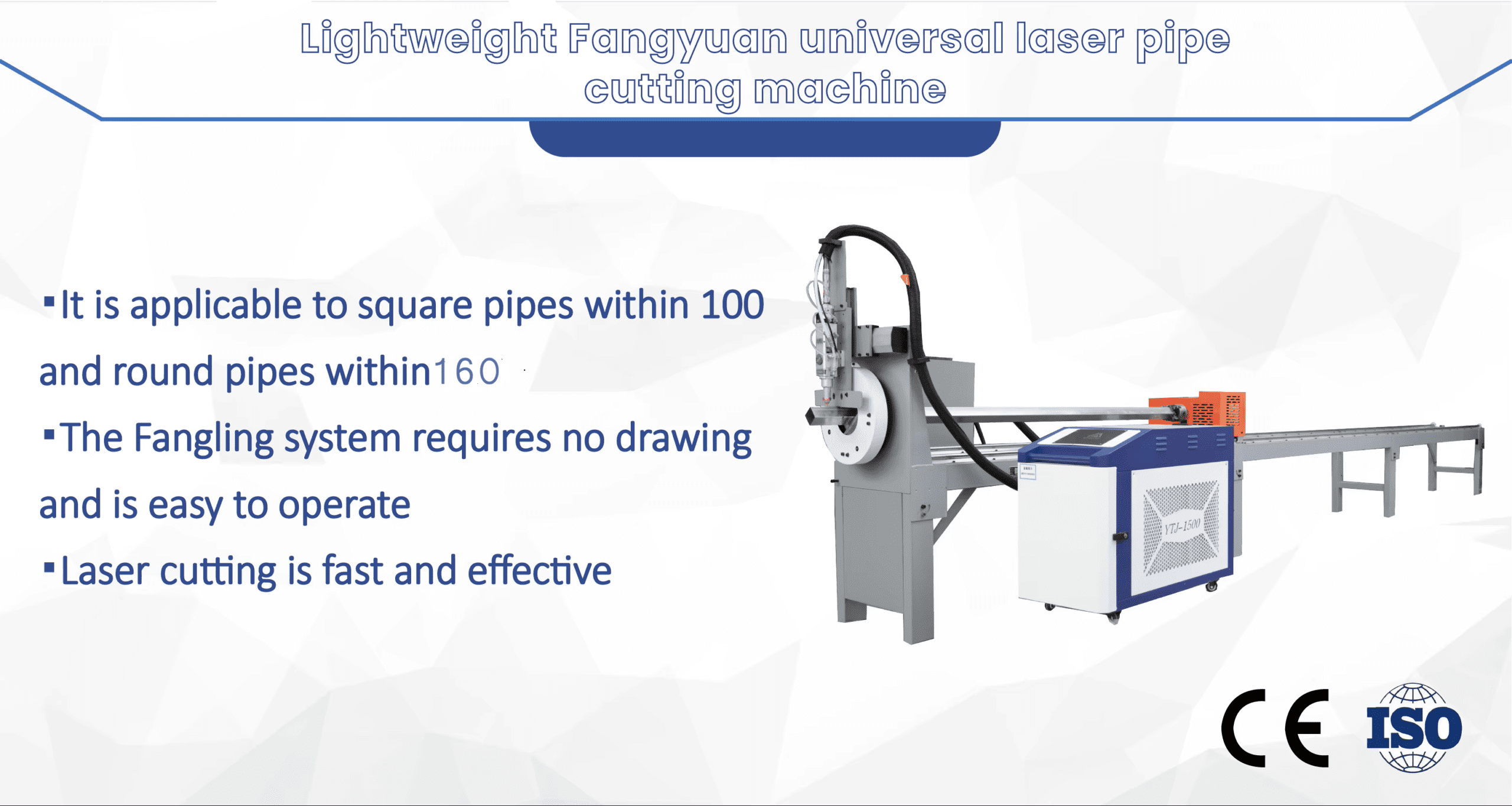
Technical Superiority of 12kW Fiber Lasers for Carbon Steel
Carbon steel is the most widely used material in the Toluca industrial corridor due to its versatility and cost-effectiveness. However, processing carbon steel tubes—whether square, rectangular, or round—requires a deep understanding of thermal conductivity and oxidation. A 12kW laser cutting system provides the necessary power to maintain a stable “keyhole” during the cutting process, even when dealing with structural grades like A36 or high-strength low-alloy (HSLA) steels.
Enhanced Thickness and Speed Capabilities
With 12,000 watts of power, the thickness threshold for carbon steel tube cutting is significantly extended. While lower-wattage machines struggle with wall thicknesses exceeding 12mm, a 12kW system can efficiently process wall thicknesses up to 20mm or even 25mm in some configurations. In Toluca’s heavy-duty trailer and agricultural machinery sectors, this allows for the direct laser cutting of thick-walled structural frames. The speed advantage is equally impressive; for medium-thickness tubes (6mm to 10mm), a 12kW laser can operate at speeds three to four times faster than a 4kW system, drastically reducing the cost-per-part and increasing the overall throughput of the facility.
Piercing Technology and Efficiency
One of the most time-consuming aspects of tube processing is the initial piercing of the material. In carbon steel, traditional piercing can lead to slag splatter and inconsistent hole quality. High-power 12kW systems utilize advanced “frequency piercing” or “blast piercing” techniques. These methods use the immense power of the fiber source to create a clean entry point in a fraction of a second, minimizing the thermal load on the surrounding material. This is particularly vital when cutting intricate nesting patterns or small-diameter holes in large structural tubes where precision is non-negotiable.
Strategic Advantages for Toluca’s Manufacturing Hub
Toluca’s proximity to Mexico City and its integration into global supply chains mean that local manufacturers must compete on both quality and lead times. The 12kW tube laser cutting technology provides a competitive edge by consolidating multiple manufacturing steps into a single process. A single machine can handle cutting to length, hole patterns, miter cuts, and complex notches (such as “fish-mouth” joints for tube intersections) in one continuous operation.

Automotive and Structural Integration
In the automotive plants located in the Toluca-Lerma industrial zone, the 12kW laser cutting process is used to create chassis components and roll cages. The high power ensures that even if the carbon steel has a slight surface oxidation or “mill scale,” the laser can penetrate and maintain a steady cut. For structural applications, such as the construction of industrial warehouses (naves industriales), the ability to laser cut large-diameter hollow structural sections (HSS) ensures that joints fit perfectly during on-site assembly, reducing welding time and improving structural integrity.
Optimizing the Laser Cutting Process for Carbon Steel
Achieving the best results with a 12kW system requires more than just raw power. It involves the careful synchronization of assist gases, optics, and motion control. In the high-altitude environment of Toluca, air density is lower than at sea level, which can subtly affect the cooling of the cutting head and the behavior of the assist gas jet.
Assist Gas Selection: Oxygen vs. Nitrogen
For carbon steel, oxygen is the traditional assist gas choice. It triggers an exothermic reaction with the iron, adding thermal energy to the cut and allowing for the processing of thicker materials at lower power levels. However, with a 12kW source, many operators in Toluca are moving toward “High-Pressure Air” or Nitrogen cutting. While Nitrogen cutting requires more power (which the 12kW source provides in abundance), it results in an oxide-free edge. This is critical for parts that require subsequent painting or powder coating, as it eliminates the need for secondary cleaning or grinding to remove the oxide layer, further streamlining the production cycle.
Beam Quality and Focus Control
A 12kW fiber laser produces a beam with a very high M2 factor (beam quality). To handle carbon steel tubes, which often have variations in wall thickness or slight deviations in straightness, the laser cutting head must feature automated focus adjustment. Modern 12kW systems use “zoom heads” that can change the beam diameter and focal point dynamically. When cutting thick carbon steel, a wider beam is often used to create a wider kerf, helping the molten slag to be ejected more efficiently. Conversely, for thinner tubes, the beam is concentrated to a fine point to maximize cutting speed.
Mechanical Considerations for Large-Scale Tube Processing
The 12kW power source must be matched by a robust mechanical platform. Tube laser cutting involves rotating long, heavy sections of carbon steel at high speeds while maintaining micron-level precision. This requires a sophisticated chuck system and a heavy-duty machine bed that can dampen the vibrations generated during high-speed acceleration.
Chuck Design and Material Handling
Most 12kW machines designed for the Toluca market feature pneumatic or hydraulic four-chuck systems. These systems provide superior support for long tubes, preventing “sag” which can lead to inaccuracies in the cut profile. In carbon steel processing, the weight of the material is a significant factor. A 6-meter HSS profile can weigh hundreds of kilograms; therefore, the machine’s loading and unloading systems must be fully automated to maintain the high duty cycle that a 12kW laser enables. Modern machines in this category often feature “zero-tailing” technology, which uses movable chucks to minimize material waste, a crucial feature for maintaining profitability in high-volume production.
Environmental and Operational Factors in Toluca
Operating high-power laser cutting equipment in Toluca presents unique challenges. The region’s altitude (approximately 2,600 meters) means that cooling systems must be more efficient. The chillers used for 12kW lasers must be rated for the lower air density to ensure that the laser source and the cutting head maintain a stable operating temperature. Furthermore, the local power grid in industrial parks like Toluca 2000 or Exportec requires the use of high-capacity voltage stabilizers to protect the sensitive fiber laser modules from fluctuations.
Maintenance and Longevity
To maximize the return on investment for a 12kW system, a rigorous maintenance schedule is mandatory. Carbon steel laser cutting produces a significant amount of dust and metallic particles. High-efficiency dust extraction systems are essential to keep the optics clean and ensure a healthy working environment. Regular inspection of the protective windows, nozzle calibration, and lubrication of the linear guides will ensure that the machine continues to deliver the precision required by the aerospace and automotive sectors in Toluca.
Conclusion: The Future of Metal Fabrication in Central Mexico
The adoption of 12kW tube laser cutting technology is a clear indicator of the maturing manufacturing capabilities in Toluca. By providing the power to cut thicker carbon steel faster and with greater precision, these machines are allowing local companies to move up the value chain, transitioning from simple component suppliers to providers of complex, ready-to-assemble structural systems. As the demand for infrastructure and specialized transport continues to grow in Mexico, the 12kW fiber laser will remain the definitive tool for high-performance carbon steel tube processing, driving efficiency and innovation in the heart of the country’s industrial zone.













