Introduction to 4kW Fiber laser cutting in Mexico City
The industrial landscape of Mexico City (CDMX) and the surrounding State of Mexico has undergone a significant transformation over the last decade. As one of the largest manufacturing hubs in Latin America, the region has seen a rapid shift from traditional CO2 systems to high-efficiency fiber laser technology. Among the various power configurations available, the 4kW fiber laser cutting machine has emerged as the industry standard for medium-thickness processing, particularly for non-ferrous metals like aluminum alloy.
In the context of Mexico City’s diverse industrial base—ranging from automotive Tier 2 suppliers to architectural fabrication—the 4kW fiber laser offers a perfect balance between capital investment and operational throughput. This guide explores the technical nuances of utilizing 4kW fiber laser cutting technology specifically for aluminum alloys, while accounting for the unique environmental variables present in the Valley of Mexico.
Technical Specifications of the 4kW Fiber Laser System
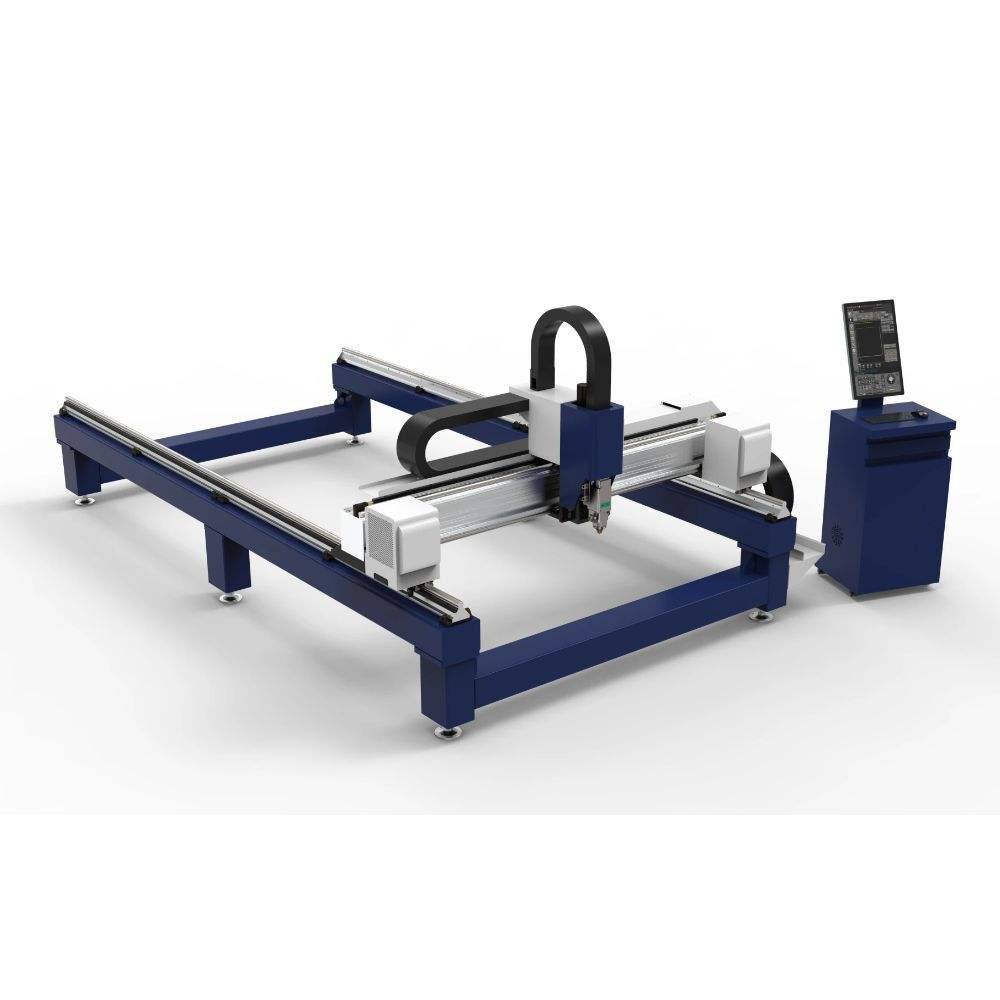
A 4kW fiber laser cutting machine utilizes a solid-state laser source where the active gain medium is an optical fiber doped with rare-earth elements, typically ytterbium. The 1.06-micron wavelength of fiber lasers is significantly better absorbed by reflective metals compared to the 10.6-micron wavelength of CO2 lasers. This makes the 4kW system exceptionally efficient at processing aluminum.
Power Density and Beam Quality
The “4kW” designation refers to the continuous wave output power. For aluminum, which has high thermal conductivity and high reflectivity, power density is more critical than raw power alone. A 4kW source provides enough energy to quickly surpass the material’s melting point, minimizing the time the laser spends in the “reflective” state. This protects the internal optics from back-reflection and ensures a stable kerf.

Cutting Capacities for Aluminum Alloys
With a 4kW power source, fabricators in Mexico City can expect high-quality results across various thicknesses:
- Thin Gauge (1mm – 4mm): Extremely high speeds exceeding 25-30 m/min, depending on the alloy.
- Medium Gauge (5mm – 10mm): Clean cuts with minimal dross, ideal for structural components.
- Maximum Capacity (12mm – 16mm): The 4kW system can cut up to 16mm aluminum, though the feed rate decreases and edge roughness increases as you approach the upper limits.
Challenges of Laser Cutting Aluminum Alloy
Aluminum is often considered one of the most difficult materials to process via laser cutting. Its physical properties require specific engineering approaches to ensure consistency and machine longevity.
High Reflectivity
In its solid state, aluminum reflects up to 80% of infrared light. If the laser cutting process is not initiated with sufficient power density, the beam can bounce back into the cutting head, potentially damaging the protective windows or the fiber cable itself. Modern 4kW machines utilize “back-reflection protection” sensors to shut down the system if dangerous levels of reflected light are detected.
Thermal Conductivity
Aluminum dissipates heat much faster than carbon steel. During the laser cutting process, the heat tends to spread away from the cut zone into the surrounding material. This can lead to thermal expansion, causing parts to shift or “pop up” during the nest execution. Precise control of the heat-affected zone (HAZ) is required, which is achieved through high-speed processing and optimized gas pressure.
Optimizing Parameters for the Mexico City Environment
Operating a 4kW fiber laser cutting machine in Mexico City presents unique challenges due to the city’s altitude (approximately 2,240 meters above sea level) and atmospheric conditions.
Altitude and Atmospheric Pressure
The lower atmospheric pressure in CDMX affects the dynamics of the assist gases. Oxygen and Nitrogen behave differently at high altitudes. Engineers must often calibrate their gas flow rates higher than the factory settings used at sea level to compensate for the lower air density. This ensures that the molten aluminum is effectively ejected from the kerf, preventing the formation of “burrs” or dross on the bottom edge of the part.
Power Stability and Cooling
Mexico City’s power grid can experience fluctuations in certain industrial zones like Vallejo or Iztapalapa. A 4kW laser requires a dedicated voltage stabilizer and a high-efficiency industrial chiller. Because the ambient temperature in CDMX can fluctuate significantly between morning and afternoon, the dual-circuit cooling system must be meticulously maintained to keep both the laser source and the cutting head at a constant temperature to prevent condensation on the optics.
Assist Gas Strategies for Aluminum
The choice of assist gas is the most significant factor in the edge quality of laser-cut aluminum. In the Mexican market, where gas costs can be a significant portion of operational expenses, selecting the right strategy is vital.
Nitrogen (N2) Cutting
Nitrogen is the preferred gas for high-quality aluminum fabrication. It acts as a mechanical force to blow away molten metal without reacting with the aluminum. This results in an oxide-free edge that is ready for welding or painting without secondary cleaning. For a 4kW system, nitrogen pressures typically range from 12 to 18 bar.
Compressed Air Cutting
Many shops in Mexico City are moving toward high-pressure air cutting to reduce costs. While air contains approximately 21% oxygen, which can cause slight oxidation on the aluminum edge, a 4kW laser provides enough power to maintain high speeds that minimize this effect. Utilizing a high-pressure compressor (20-30 bar) with a robust filtration system can significantly lower the cost per part compared to liquid nitrogen.
Maintenance Protocols for High-Altitude Operation
To maintain the precision of a 4kW fiber laser cutting machine in an urban industrial environment like CDMX, a rigorous maintenance schedule is mandatory.
Optical Cleanliness
Dust and pollutants are prevalent in Mexico City’s air. Even with a pressurized cutting head, microscopic particles can find their way onto the protective window. A 4kW beam passing through a speck of dust will instantly thermally shock the glass, leading to a “cracked” lens. Daily inspections of the optics are essential.
Motion System Calibration
The high speeds used for aluminum (often exceeding 1G of acceleration) put significant stress on the rack and pinion system. Regular lubrication and checking for backlash ensure that the machine maintains the ±0.03mm accuracy required for precision engineering components in the aerospace and automotive sectors located in the Bajío and CDMX corridors.
Economic Impact and ROI for Mexican Fabricators
The transition to a 4kW fiber laser cutting system represents a strategic investment for Mexican SMEs (Small and Medium Enterprises). The primary return on investment (ROI) comes from the reduction in processing time. For example, a 2kW machine might struggle with 6mm aluminum, requiring a slow feed rate that increases dross. A 4kW machine can process the same material at double the speed with a cleaner finish, effectively doubling the shop’s capacity without increasing the footprint.
Furthermore, the “Nearshoring” trend in Mexico has increased the demand for high-quality aluminum components for the North American market. Companies that can demonstrate the precision and edge quality provided by a 4kW fiber laser are better positioned to win contracts from international manufacturers.
Conclusion
The 4kW fiber laser cutting machine is a versatile powerhouse ideally suited for the demands of aluminum alloy fabrication in Mexico City. By understanding the interplay between laser power, material properties, and the specific environmental conditions of the high-altitude Valley of Mexico, fabricators can achieve world-class results. Whether producing architectural panels, automotive components, or custom industrial parts, the 4kW fiber laser remains the cornerstone of modern Mexican manufacturing, driving efficiency and quality in a competitive global market.
As technology continues to evolve, the integration of AI-driven cutting parameters and more efficient gas delivery systems will further enhance the capabilities of these machines, ensuring that Mexico City remains at the forefront of the global metalworking industry.













