The Engineering Guide to 2kW Fiber laser cutting for Stainless Steel in Mexico City
The industrial landscape of Mexico City (CDMX) and its surrounding metropolitan areas, such as Naucalpan, Tlalnepantla, and Vallejo, has undergone a significant technological transformation. At the heart of this evolution is the adoption of high-precision laser cutting technology. Specifically, the 2kW fiber laser cutting machine has emerged as the industry standard for small to medium-sized enterprises (SMEs) and specialized fabrication shops focusing on stainless steel components. This guide explores the technical nuances, operational requirements, and regional considerations for deploying 2kW fiber laser systems in the high-altitude, high-demand environment of Mexico City.
Understanding the 2kW Fiber Laser Power Profile
A 2kW (2000-watt) fiber laser represents a critical “sweet spot” in the metal fabrication industry. While lower power levels like 1kW are sufficient for thin gauges, and 6kW+ systems are designed for heavy plate, the 2kW resonator provides the ideal balance of speed, edge quality, and operational cost for stainless steel thicknesses ranging from 0.5mm to 8mm. In laser cutting, the fiber laser’s wavelength—typically around 1.06 microns—is absorbed much more efficiently by reflective metals like stainless steel compared to traditional CO2 lasers.
This efficiency translates into a narrower kerf width and a smaller heat-affected zone (HAZ). For engineers in Mexico City’s aerospace and medical device sectors, this means parts can be nested more tightly, reducing material waste in a market where high-grade stainless steel costs can fluctuate significantly due to import logistics.

Material Specifics: Processing Stainless Steel
Stainless steel, particularly grades 304 and 316, is a staple in Mexico City’s food processing, pharmaceutical, and architectural industries. However, laser cutting stainless steel presents unique challenges compared to carbon steel. The primary objective is usually to maintain the material’s corrosion resistance and aesthetic appeal.
The Role of Assist Gases: Nitrogen vs. Oxygen
In the context of 2kW systems, the choice of assist gas is paramount. For stainless steel, Nitrogen is almost exclusively used. Nitrogen acts as a shielding gas, blowing the molten metal out of the kerf without allowing it to oxidize. This results in a “bright” or “silver” edge that requires no post-processing before welding or painting. When laser cutting with 2kW of power, high-pressure Nitrogen (often exceeding 15-20 bar) is necessary to ensure a clean evacuation of the melt, especially as the thickness approaches the 6mm mark.
In contrast, using Oxygen would lead to an oxidized, blackened edge. While Oxygen can speed up the process in very thick carbon steel by adding exothermic energy, it compromises the integrity of stainless steel’s chromium oxide layer, leading to potential rust at the cut sites—a failure point that is unacceptable for CDMX’s rigorous industrial standards.
Technical Considerations for Mexico City’s Environment
Operating a 2kW laser cutting machine in Mexico City requires specific engineering adjustments due to the city’s unique geography. At an elevation of approximately 2,240 meters above sea level, the atmospheric pressure is lower than at coastal regions. This affects the cooling efficiency of the machine’s chiller system and the behavior of the assist gases.
Thermal Management and Altitude
Fiber lasers are highly sensitive to temperature fluctuations. The 2kW resonator and the cutting head optics generate significant heat. In the thinner air of Mexico City, air-cooled components are less efficient. It is vital to ensure that the water chiller is oversized or specifically rated for high-altitude operation to prevent “thermal drifting,” which can cause the laser beam to lose focus during long production runs. Maintaining a consistent temperature within the optical cabinet is essential to prevent condensation, which can instantly destroy expensive protective windows or the fiber end-cap.
Precision and Motion Control
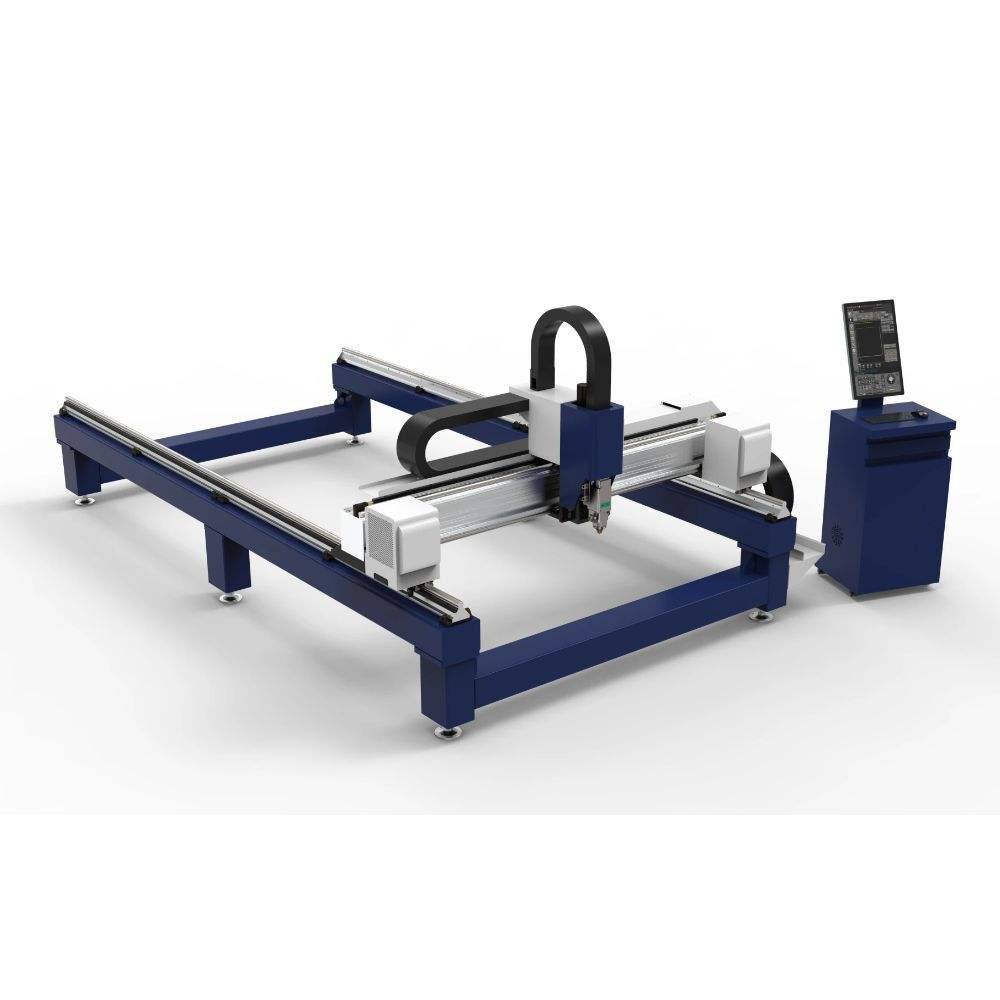
A 2kW fiber laser is only as good as the gantry it sits on. For stainless steel fabrication, high-precision linear motors or high-end rack-and-pinion systems are required to handle the rapid acceleration and deceleration necessary for intricate laser cutting patterns. In Mexico City’s competitive manufacturing hubs, the ability to produce complex geometries—such as perforated sheets for architectural facades or precision brackets for automotive assemblies—is a significant competitive advantage.
Optimizing the Cutting Parameters for 2kW Systems
To achieve the best results on stainless steel, operators must master several variables within the CNC interface:
- Focal Position: For stainless steel, the focus is typically set “negative,” or inside the material. This widens the kerf slightly at the bottom, allowing the high-pressure Nitrogen to push the dross out more effectively.
- Nozzle Selection: A double-layer nozzle is often preferred for 2kW laser cutting to stabilize the gas flow. The diameter of the nozzle must be matched to the material thickness—usually 1.5mm to 2.5mm for the 2kW range.
- Frequency and Duty Cycle: When cutting sharp corners or small holes, the laser power must be “ramped” down. High-frequency pulsing prevents the “over-burning” of corners, which is a common defect in stainless steel parts.
Maintenance Protocols in an Urban Industrial Hub
Mexico City’s environment can be dusty, particularly in industrial corridors like Ecatepec or Tlalnepantla. Dust is the enemy of laser cutting optics. A 2kW machine requires a strictly controlled maintenance schedule:
Optical Integrity
The protective windows (cover slides) must be inspected daily. Even a microscopic speck of dust can absorb 2kW of laser energy, causing the glass to shatter and potentially damaging the internal lenses. Implementing a “clean room” protocol for lens changes is non-negotiable for local shops aiming for high uptime.
Gas Purity
The purity of the Nitrogen used in laser cutting should be at least 99.99% (4.0 grade). In Mexico City, sourcing gas from reputable suppliers who can guarantee these purity levels is critical. Contaminants like moisture or hydrocarbons in the gas line will lead to yellowing of the stainless steel edge and can degrade the cutting nozzle over time.
Economic Impact and ROI for CDMX Manufacturers
The investment in a 2kW fiber laser cutting machine is often justified by the massive increase in throughput compared to plasma cutting or mechanical shearing. For a workshop in Mexico City, the ROI (Return on Investment) is driven by three factors: speed, precision, and secondary process elimination.
Because the 2kW laser produces a weld-ready edge on stainless steel, the labor costs associated with grinding and deburring are virtually eliminated. Furthermore, the high speed of laser cutting on 1mm to 3mm stainless steel (often exceeding 20 meters per minute) allows local manufacturers to compete with international suppliers by offering shorter lead times and lower per-part costs.
Conclusion: The Future of Fabrication in Mexico
As Mexico City continues to solidify its position as a global manufacturing powerhouse, the 2kW fiber laser will remain a cornerstone of the fabrication industry. Its ability to handle the complexities of stainless steel with precision and efficiency makes it an indispensable tool for modern engineering. By understanding the technical requirements—from gas dynamics to altitude-specific cooling—operators in CDMX can maximize the potential of laser cutting technology, ensuring high-quality output that meets the most stringent international standards.
Whether you are producing kitchen equipment, automotive components, or custom industrial machinery, mastering the 2kW fiber laser is the key to unlocking new levels of productivity in the heart of Mexico’s industrial sector.













