The 4kW Fiber laser cutting Machine: A Definitive Guide for Galvanized Steel in Mexico City
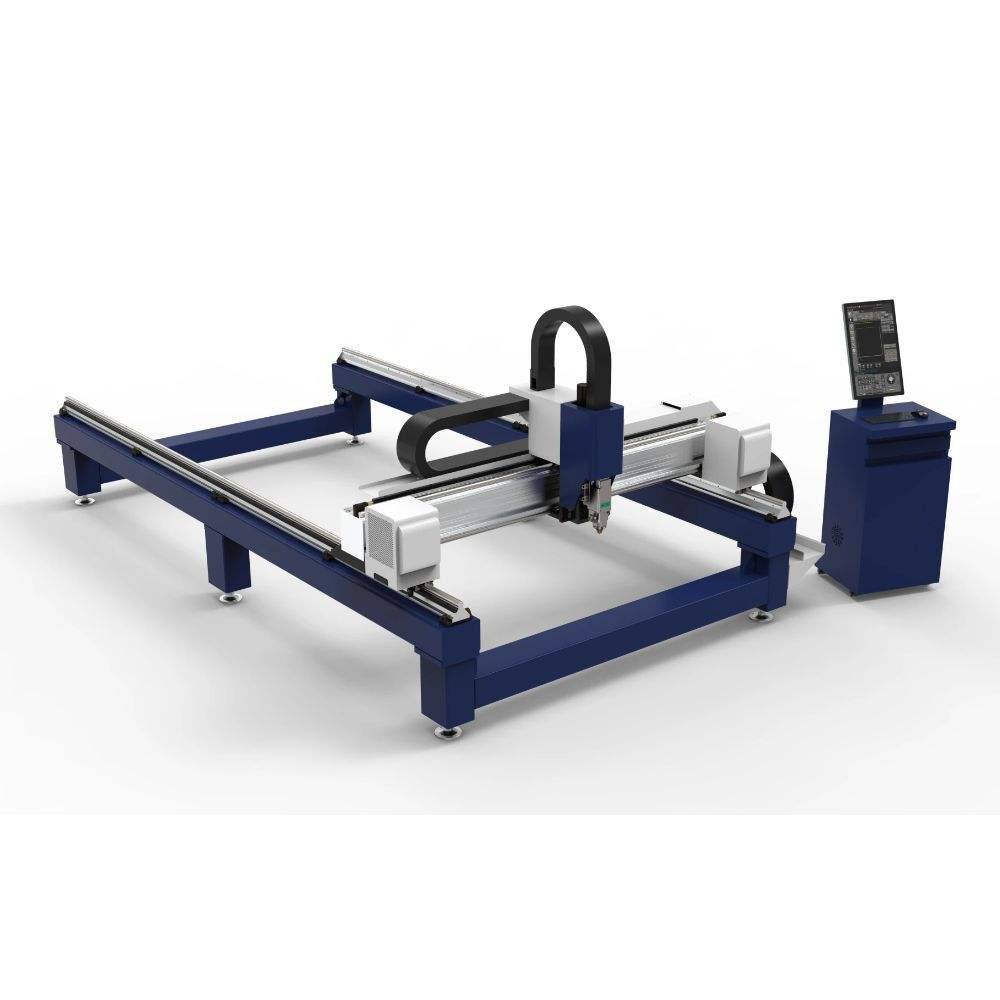
In the rapidly evolving industrial landscape of Mexico City (CDMX) and the surrounding Estado de México, the demand for precision metal fabrication has reached unprecedented levels. As a hub for automotive, HVAC, and construction industries, local manufacturers are increasingly turning to the 4kW fiber laser cutting machine as their primary tool for processing galvanized steel. This specific power rating represents the “sweet spot” for many fabricators, balancing high-speed production with the ability to handle a wide range of material thicknesses.
Laser cutting galvanized steel presents unique challenges compared to standard carbon steel or stainless steel. The presence of a zinc coating, designed to prevent corrosion, introduces variables that require sophisticated control systems and specific engineering approaches. This guide explores the technical nuances of utilizing 4kW fiber laser technology within the unique environmental conditions of the Valley of Mexico.

The Technical Advantage of 4kW Fiber Technology
A 4kW fiber laser utilizes an active optical fiber to generate a laser beam, which is then delivered to the cutting head via a flexible transport fiber. For galvanized steel, the 1.06-micron wavelength of the fiber laser is highly efficient. Unlike CO2 lasers, which can struggle with the reflectivity of the zinc coating, the fiber laser’s wavelength is absorbed more readily by the metal, allowing for faster piercing and cleaner cut edges.
In the context of 4kW power, fabricators can expect to process galvanized sheets ranging from 0.5mm to 6mm with exceptional speed, and even up to 10mm or 12mm for specific industrial applications. The high power density of a 4kW source ensures that the laser cutting process remains stable even when encountering variations in the zinc layer thickness, which is common in hot-dipped galvanized materials.
Processing Galvanized Steel: Overcoming the Zinc Barrier
Galvanized steel is essentially carbon steel coated with a layer of zinc. During laser cutting, the zinc layer melts and vaporizes at a much lower temperature than the underlying steel. This discrepancy can lead to several issues if not managed correctly:
- Zinc Vapor Interference: As the zinc vaporizes, it can interfere with the laser beam’s stability or contaminate the protective window of the laser head.
- Dross Formation: Molten zinc can mix with the steel slag, creating “dross” or burrs on the bottom of the cut.
- Surface Reflectivity: While fiber lasers handle reflection better than older technologies, the shiny surface of galvanized steel still requires precise focal point management.
To mitigate these factors, 4kW machines utilize advanced CNC algorithms that adjust the pulse frequency and duty cycle in real-time, ensuring that the zinc is cleared from the cutting path before the main beam penetrates the steel substrate.
Environmental Considerations in Mexico City
Operating a 4kW fiber laser cutting machine in Mexico City requires accounting for the city’s unique geography. At an elevation of approximately 2,240 meters above sea level, the atmospheric pressure is significantly lower than at sea level. This affects the laser cutting process in two primary ways:
1. Assist Gas Dynamics
The density of the air and the behavior of assist gases (Nitrogen or Oxygen) change at high altitudes. Engineers must often recalibrate gas pressure settings. In Mexico City, the lower atmospheric pressure can lead to different turbulence patterns at the nozzle, potentially affecting the evacuation of molten material. Using high-pressure Nitrogen is generally recommended for galvanized steel to ensure a clean, oxide-free edge that is ready for welding or painting without secondary processing.
2. Cooling System Efficiency
The 4kW laser source and the cutting head generate significant heat. Chiller units, which are vital for maintaining the stability of the laser resonators, operate less efficiently in thinner air. It is crucial for shops in CDMX to ensure their chillers are rated for high-altitude operation or are oversized to compensate for the reduced heat exchange capacity of the ambient air.
Optimizing Assist Gas: Nitrogen vs. Oxygen
The choice of assist gas is critical when laser cutting galvanized steel. For most 4kW applications in Mexico City’s industrial sectors, Nitrogen is the preferred choice. Nitrogen acts as a shielding gas, blowing away the molten metal without allowing it to react with oxygen. This results in a “bright” cut edge and preserves the integrity of the zinc coating as close to the cut as possible.
Oxygen cutting, while sometimes faster for very thick plates, can cause “self-burning” in galvanized steel. The exothermic reaction between oxygen and the zinc/steel mixture often results in a wider kerf and significant dross. For the precision components required in the automotive and electronics industries located in the Vallejo or Naucalpan industrial zones, Nitrogen-assisted laser cutting is the standard for 4kW systems.
Nozzle Selection and Focal Point Management
To achieve the best results on galvanized materials, the operator must select the correct nozzle geometry. Double-layer nozzles are often used to provide a more stable gas flow, which is essential for clearing the vaporized zinc. For a 4kW machine, a nozzle diameter between 1.5mm and 2.5mm is typically used depending on the sheet thickness.
Focal point positioning is equally vital. When cutting galvanized steel, the focal point is usually set slightly below the surface of the material. This ensures that the energy is concentrated where it can most effectively eject the molten zinc and steel mixture through the bottom of the kerf, minimizing the “splash back” that can damage the laser optics.
Maintenance Protocols for High-Productivity Shops
In the dusty environment of a metropolis like Mexico City, maintenance is the key to longevity for a 4kW fiber laser cutting machine. The fine dust prevalent in the city, combined with the zinc fumes produced during the laser cutting process, can be abrasive to the machine’s motion system.
- Fume Extraction: A high-capacity dust collector is mandatory. The zinc oxide dust produced is not only a health hazard but can also settle on the linear guides and racks, leading to premature wear.
- Optical Path Protection: Regularly checking and replacing the protective windows is essential. Zinc “spatter” is common when piercing galvanized steel, and a single microscopic pit on the protective lens can lead to beam distortion or lens failure under 4kW of power.
- Lubrication: Automatic lubrication systems should be monitored to ensure that the rails and gears remain protected from the corrosive nature of some industrial environments in the city.
The Economic Impact for Mexico City Fabricators
Investing in a 4kW fiber laser cutting machine offers a significant competitive advantage in the Mexican market. With the “Nearshoring” trend bringing more manufacturing from Asia to North America, Mexican fabricators must meet international standards for precision and lead times. The 4kW system provides the speed necessary to handle high-volume contracts for galvanized ductwork, electrical enclosures, and automotive brackets.
Furthermore, the energy efficiency of fiber lasers compared to CO2 lasers results in lower electricity bills—a major consideration given the industrial power tariffs in Mexico. The reduced need for secondary grinding or deburring when cutting galvanized steel with Nitrogen further lowers the “cost per part,” allowing local shops to bid more aggressively on complex projects.
Conclusion: The Future of Metal Fabrication in CDMX
The 4kW fiber laser cutting machine is more than just a tool; it is a catalyst for industrial growth in Mexico City. By mastering the complexities of laser cutting galvanized steel—from managing zinc vaporization to adjusting for high-altitude atmospheric conditions—local engineers are pushing the boundaries of what is possible in metal fabrication.
As the city continues to modernize its infrastructure and manufacturing base, the precision, speed, and reliability of the 4kW fiber laser will remain the cornerstone of the metalworking industry. Whether it is for architectural facades in Santa Fe or precision components in Tlalnepantla, this technology ensures that Mexican manufacturing remains at the forefront of the global stage.













