Introduction to 1.5kW Precision Laser Systems in Queretaro
The industrial landscape of Queretaro has undergone a radical transformation over the last decade, evolving into one of Mexico’s primary hubs for aerospace, automotive, and high-tech manufacturing. Central to this growth is the adoption of advanced fabrication technologies, specifically the 1.5kW precision laser system. This power range represents a critical “sweet spot” for manufacturers focusing on stainless steel components, offering a balance between energy efficiency, capital investment, and high-speed processing capabilities.
For engineering firms operating within the Bajío region, the transition to fiber laser technology has become a necessity rather than an option. The 1.5kW fiber laser source is engineered to deliver high-density energy beams that interact with stainless steel at a molecular level, ensuring clean edges and minimal thermal distortion. This guide explores the technical intricacies of deploying these systems within the specific industrial context of Queretaro, where precision and repeatability are the benchmarks of success.
The Strategic Importance of Stainless Steel Fabrication
Stainless steel is prized in Queretaro’s industrial sectors for its corrosion resistance, mechanical strength, and aesthetic appeal. However, these same properties make it a challenging material to process using traditional mechanical methods. The high chromium and nickel content increases work-hardening tendencies, which can lead to tool wear and inconsistent finishes in milling or punching. laser cutting emerges as the superior alternative, providing a non-contact method that bypasses the physical limitations of mechanical shearing.
In the 1.5kW range, the system is optimized for thin to medium-gauge stainless steel, typically ranging from 0.5mm to 6mm in thickness. This covers the vast majority of components required for automotive exhaust systems, aerospace brackets, and food-grade industrial equipment—three pillars of the local Queretaro economy. By utilizing a 1.5kW source, shops can achieve high feed rates without the excessive power consumption or maintenance overhead associated with higher-wattage units.
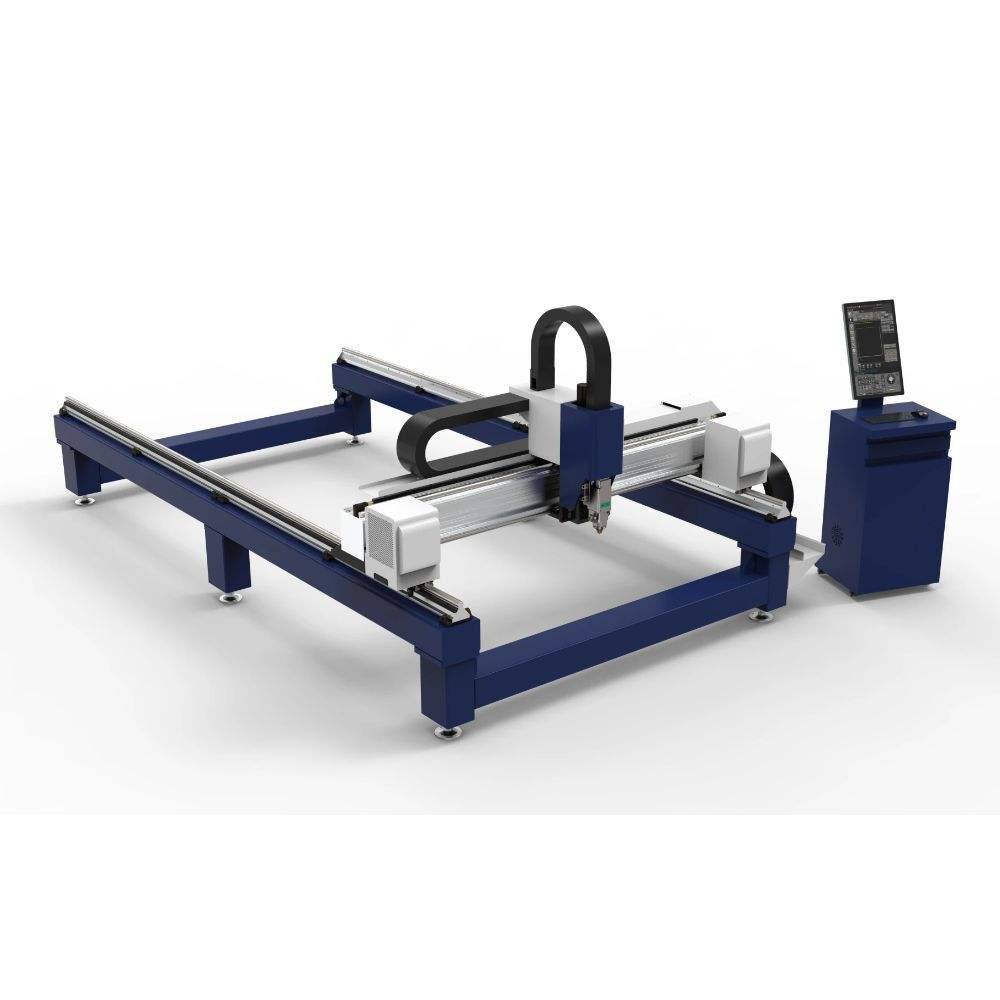
 laser cutting machine” style=”width: 100%; max-width: 800px; margin: 20px 0;”>
Technical Specifications of the 1.5kW Fiber Source
The heart of the precision system is the fiber laser resonator. Unlike CO2 lasers, which rely on gas mixtures and mirrors, the fiber laser generates its beam within an ytterbium-doped optical fiber. This results in a wavelength of approximately 1.06 microns, which is much more readily absorbed by metals, particularly stainless steel. The absorption efficiency of fiber laser cutting at 1.5kW is significantly higher than that of a 3kW CO2 laser, leading to faster processing speeds in thin materials.
Key technical parameters for a 1.5kW system include:
- Beam Quality (M²): Typically less than 1.1, allowing for an incredibly small focal spot size.
- Pulse Frequency: Range of 1 to 20,000 Hz, enabling fine control over heat input during piercing and intricate cornering.
- Power Stability: <±1%, ensuring consistent cut quality over long production runs.
- Wall-plug Efficiency: Exceeding 30%, which translates to lower electricity costs for Queretaro-based workshops.
Optimization for Stainless Steel Grades
Not all stainless steel behaves the same under a laser beam. In the Queretaro market, the most common grades encountered are AISI 304 and AISI 316. Understanding the metallurgical response of these alloys to 1.5kW laser cutting is essential for achieving an engineering-grade finish.
Grade 304 and 316 Processing
Grade 304 is the standard “18/8” stainless steel. It is widely used in the food and beverage industry, which has a massive footprint in the areas surrounding Queretaro. A 1.5kW system can cut 304 stainless at speeds exceeding 20 meters per minute for 1mm sheets. The precision of the fiber beam ensures that the protective oxide layer remains largely intact near the cut zone, preserving the material’s corrosion resistance.
Grade 316, containing molybdenum, is more resistant to chlorides and is frequently specified for medical devices and aerospace components. While its thermal conductivity is slightly lower than 304, the 1.5kW laser’s high power density allows for efficient melting and expulsion of the molten pool. When laser cutting 316, the focus position must be meticulously calibrated to the bottom of the kerf to ensure a dross-free finish on the lower edge.
The Role of Assist Gases in Precision Cutting
The choice of assist gas is perhaps the most critical variable in laser cutting stainless steel. In Queretaro’s precision shops, Nitrogen is the standard choice. Nitrogen acts as an inert shield, preventing oxidation of the cut edge. This results in a “bright” or “silver” edge that requires no post-processing before welding or painting.
For a 1.5kW system, Nitrogen pressures typically range from 12 to 18 bar. The gas serves two purposes: it cools the surrounding material to minimize the Heat Affected Zone (HAZ) and provides the kinetic energy necessary to blow the molten stainless steel out of the kerf. For thicker sections (above 4mm), some operators may experiment with Oxygen to increase cutting speed through an exothermic reaction; however, this results in a darkened, oxidized edge that usually requires cleaning for high-spec applications.
Integration within Queretaro’s Industrial Ecosystem
Queretaro is home to the Aerocluster and the Automotive Cluster of Mexico. These organizations demand strict adherence to international quality standards such as AS9100 and IATF 16949. A 1.5kW precision laser system is an asset in achieving these certifications because it provides a level of digital repeatability that manual processes cannot match.
Aerospace and Automotive Requirements
In aerospace manufacturing, the Heat Affected Zone (HAZ) is a critical concern. Excessive heat can alter the grain structure of the stainless steel, leading to potential fatigue failure in flight-critical components. The high-speed capability of 1.5kW laser cutting ensures that the beam moves quickly enough to prevent significant heat soak into the part body. This maintains the mechanical integrity of the alloy.
For the automotive sector, throughput is the primary metric. The 1.5kW system’s ability to transition rapidly between different part geometries via CNC software allows Queretaro suppliers to handle “Just-In-Time” (JIT) production cycles. Whether it is a small batch of prototype brackets or a high-volume run of shims, the laser system provides the flexibility needed to stay competitive in the global supply chain.
Operational Best Practices for Laser Cutting
To maximize the ROI of a 1.5kW system in a demanding environment like Queretaro, several operational protocols must be established. These focus on maintaining the precision of the optical path and the mechanical accuracy of the motion system.
Thermal Management and Heat Affected Zones (HAZ)
Precision laser cutting is as much about managing heat as it is about delivering it. When working with stainless steel, which has a lower thermal conductivity than carbon steel, heat tends to build up in the workpiece. This can lead to “self-burning” at sharp corners or intricate details. To mitigate this, engineers should utilize “power ramping” functions in their CNC software, which automatically reduce the laser power as the machine slows down for tight turns, ensuring a consistent kerf width throughout the geometry.
Maintenance Protocols for High-Uptime Environments
In the dusty or high-humidity environments sometimes found in industrial parks, the protection of the laser optics is paramount. The 1.5kW system uses a series of protective windows (cover slips) to shield the expensive focusing lens from back-splatter. These should be inspected daily. Any contamination on the lens can absorb laser energy, leading to thermal lensing—a phenomenon where the focus point shifts during the cut, resulting in a loss of precision.
Furthermore, the chiller system must be maintained with deionized water and appropriate biocides. Since the 1.5kW fiber source is highly efficient, it generates less waste heat than older technologies, but the heat it does generate must be removed precisely to keep the laser diode temperatures stable. In Queretaro’s climate, where ambient temperatures can fluctuate significantly between day and night, a high-quality dual-circuit chiller is essential for maintaining beam stability.
Conclusion
The 1.5kW precision laser system represents the cutting edge of stainless steel fabrication for the Queretaro industrial region. By combining the inherent advantages of fiber laser technology—such as high absorption rates and superior beam quality—with the specific material requirements of the aerospace and automotive sectors, manufacturers can achieve unprecedented levels of accuracy and efficiency.
Successful implementation of laser cutting in this power range requires a deep understanding of assist gas dynamics, material science, and rigorous maintenance. As Queretaro continues to solidify its position as a global manufacturing powerhouse, the 1.5kW laser will remain a cornerstone technology, enabling local firms to meet the most demanding engineering specifications with speed and reliability. Investing in such a system is not merely a purchase of hardware, but a commitment to the precision standards that define the modern industrial era.













