Introduction to 3kW Fiber laser cutting in Mexico City
The industrial landscape of Mexico City (CDMX) and its surrounding metropolitan areas, such as Tlalnepantla, Naucalpan, and Vallejo, has undergone a significant transformation with the integration of high-power fiber laser technology. Among the various power configurations available, the 3kW sheet metal laser has emerged as the industry standard for small to medium-sized enterprises (SMEs) and large-scale manufacturing hubs alike. This power level offers an optimal balance between capital investment and processing capability, particularly when dealing with the most common material in the Mexican construction and automotive sectors: carbon steel.
Laser cutting technology at the 3kW threshold provides the necessary energy density to process carbon steel with high precision, minimal thermal distortion, and exceptional edge quality. In a high-altitude, high-demand environment like Mexico City, understanding the technical nuances of these machines is critical for maintaining a competitive edge in the global supply chain.
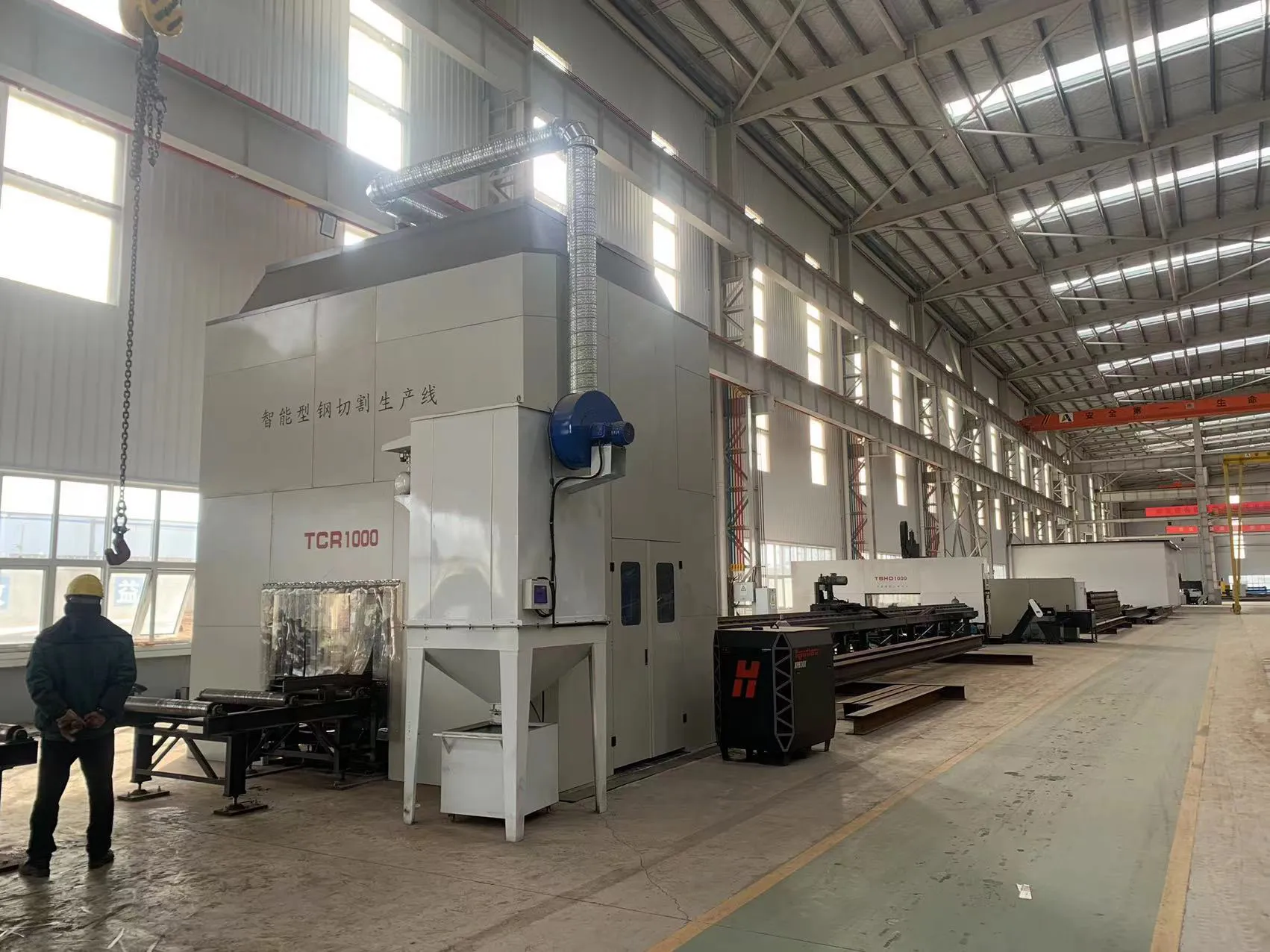 laser cutting machine Operating on Sheet Metal” style=”width: 100%; max-width: 800px; height: auto; margin: 20px 0;”>
The Strategic Advantage of 3kW Power
In the hierarchy of fiber laser power, 3000 watts (3kW) represents a “sweet spot” for carbon steel fabrication. While 1kW machines struggle with thicknesses over 6mm and 6kW+ machines require significantly higher operational costs and power infrastructure, the 3kW system handles the bulk of industrial requirements. In Mexico City, where electricity costs and infrastructure stability (CFE) are primary considerations, the efficiency of a 3kW source ensures that shops can maximize throughput without overextending their utility capacity.
Technical Performance on Carbon Steel
Carbon steel, ranging from A36 to 1018 grades, is the backbone of Mexican infrastructure. When utilizing 3kW laser cutting systems, the interaction between the beam and the material is governed by the absorption rate of the 1.06-micron wavelength characteristic of fiber lasers. Carbon steel absorbs this wavelength efficiently, allowing for rapid heating and melting.
Thickness and Speed Parameters
A 3kW fiber laser is capable of cutting carbon steel up to 20mm in thickness, although its “production range”—where speed and quality are maximized—typically falls between 1mm and 16mm. For instance, 1mm carbon steel can be processed at speeds exceeding 30 meters per minute, while 12mm plate is typically cut at approximately 1.2 to 1.5 meters per minute. Engineering teams in CDMX must calibrate these speeds against the specific alloy composition of the steel, as local variations in carbon content can affect the fluidity of the melt pool.
The Role of Assist Gases: Oxygen vs. Nitrogen
The choice of assist gas is the most significant factor in the final quality of the cut. For carbon steel, oxygen (O2) is the traditional choice. The oxygen reacts exothermically with the iron, adding thermal energy to the cutting process and allowing for thicker cuts with lower laser power. However, this results in an oxidized edge that must be cleaned if the part is to be painted or powder-coated—a common requirement in the Mexican appliance and automotive industries.
Alternatively, nitrogen (N2) can be used for “high-pressure” cutting of thinner carbon steel (usually up to 4mm or 6mm with 3kW). Nitrogen acts as a mechanical force to eject the molten metal without a chemical reaction, resulting in a clean, oxide-free edge. Given the labor costs associated with secondary finishing in Mexico, many shops are opting for nitrogen cutting to streamline their workflows.

Operational Challenges in Mexico City’s Environment
Operating high-precision laser cutting equipment in Mexico City presents unique environmental challenges that are often overlooked in standard manuals. The geographic and atmospheric conditions of the Valley of Mexico require specific engineering adjustments.
Altitude and Atmospheric Pressure Considerations
Mexico City sits at an average elevation of 2,240 meters above sea level. At this altitude, the atmospheric pressure is significantly lower than at sea level. This affects the dynamics of the assist gas as it exits the nozzle. The lower air density can lead to changes in the Reynolds number of the gas flow, potentially causing turbulence that affects the stability of the cut. Engineers must often increase gas pressures slightly or utilize specialized nozzle geometries to compensate for the “thinner” air to ensure the kerf remains clean and free of dross.
Cooling Systems and Thermal Management
The 3kW fiber source and the cutting head generate substantial heat. Fiber lasers are highly efficient, but approximately 70% of the energy is still dissipated as heat. In CDMX, where ambient temperatures can fluctuate and air cooling is less efficient due to the altitude, the chiller unit becomes a critical failure point. It is imperative to use a dual-circuit industrial chiller with oversized heat exchangers. Maintaining the deionized water at a precise temperature (usually around 25°C for the optics and 22°C for the laser source) is vital to prevent thermal drifting, which can cause the focal point to shift during long production runs on heavy carbon steel plates.
Air Quality and Optical Protection
Mexico City is known for its high levels of particulate matter and industrial pollutants. For a fiber laser, dust is the enemy. Even a microscopic particle on the protective window of the cutting head can absorb laser energy, heat up, and shatter the lens (a “thermal runaway” event). Facilities must be equipped with pressurized, filtered enclosures or high-end dust extraction systems. Furthermore, the compressed air used for the machine’s pneumatic systems must be passed through refrigerated dryers and multi-stage oil-water separators to meet Class 1 ISO standards for air purity.
Maintenance Protocols for High-Precision Output
To maintain the 0.05mm tolerances expected in modern engineering, a rigorous maintenance schedule is mandatory. This is especially true when cutting carbon steel, which produces significant amounts of “laser dust” or iron oxide fumes.
Daily and Weekly Calibration
Operators should perform a “beam shot” or “nozzle centering” check every morning. If the laser beam is not perfectly centered in the nozzle orifice, the assist gas flow will be asymmetrical, leading to burrs on one side of the part. Weekly inspections of the slats (the copper or steel points that support the sheet) are also necessary. Slag buildup on the slats can reflect laser energy back into the workpiece or cause the sheet to sit unevenly, disrupting the capacitive height sensing system.
Optical Path Integrity
The protective window (cover glass) should be inspected in a clean-room environment every shift. In the 3kW range, even minor “pitting” from carbon steel sparks can reduce cut quality. Using high-quality consumables—nozzles, ceramic rings, and windows—is more cost-effective in the long run than opting for generic alternatives that may have inconsistent thermal properties.
Economic Viability and ROI for CDMX Fabricators
The decision to invest in a 3kW laser cutting system in Mexico City is often driven by the “Nearshoring” trend. As North American companies move manufacturing closer to home, Mexican fabricators must meet stringent quality standards. Carbon steel components for heavy machinery, electrical enclosures, and structural brackets are in high demand.
A 3kW machine typically offers a faster Return on Investment (ROI) than higher-powered units because of its lower entry price and lower operational overhead. In a typical CDMX job shop, a 3kW laser can replace three to four plasma cutters or several older CO2 lasers, significantly reducing the floor space required—a premium in the city’s crowded industrial zones. The reduction in secondary grinding and deburring labor alone often justifies the monthly lease payment on a fiber laser system.
Conclusion: The Future of Metal Fabrication in CDMX
The 3kW sheet metal laser represents the maturity of the Mexican fabrication industry. By mastering the complexities of laser cutting carbon steel—while accounting for the unique atmospheric conditions of Mexico City—local engineers are positioning themselves as world-class manufacturing partners. As the technology continues to evolve, with smarter CNC controls and more efficient power sources, the ability to process carbon steel with speed and surgical precision will remain the cornerstone of the region’s industrial growth.
For any facility in the Valley of Mexico looking to upgrade, the 3kW fiber laser is not just a tool; it is a strategic asset that addresses the specific challenges of the local environment while delivering the performance required by the global market. Proper installation, environmental compensation, and disciplined maintenance are the keys to unlocking the full potential of this powerful technology.













