Introduction to 1.5kW Precision Laser Systems for Brass Fabrication
In the heart of Mexico’s industrial corridor, Leon, Guanajuato, has emerged as a pivotal hub for advanced manufacturing. While traditionally known for its leather and footwear industries, the region has rapidly diversified into automotive, aerospace, and specialized metal fabrication. Central to this evolution is the adoption of high-precision fiber laser technology. The 1.5kW precision laser system stands as a cornerstone for small to medium-sized enterprises (SMEs) and large-scale manufacturers alike, offering a balanced combination of power, accuracy, and operational efficiency. When dealing with non-ferrous metals like brass, the technical requirements become more stringent, necessitating a system that can handle high reflectivity and thermal conductivity without compromising edge quality.
The 1.5kW fiber laser is specifically engineered to bridge the gap between low-power marking lasers and ultra-high-power industrial cutters. For the fabrication of brass components—ranging from decorative architectural hardware to precision electrical connectors—this power level provides the necessary energy density to achieve clean, burr-free cuts. In Leon’s competitive manufacturing landscape, the ability to integrate such a system into existing production lines is a significant advantage, allowing local shops to meet international quality standards for export-grade components.
The Technical Dynamics of laser cutting Brass
Brass is an alloy of copper and zinc, categorized as a “highly reflective” metal in the context of laser processing. This reflectivity poses a unique challenge for laser cutting systems. At the beginning of the cutting process, a significant portion of the laser beam can be reflected back into the delivery fiber, potentially damaging the laser source. However, modern 1.5kW systems utilize advanced “back-reflection protection” mechanisms and optimized beam delivery optics to mitigate this risk. The fiber laser’s wavelength, typically around 1.06 microns, is much more readily absorbed by brass than the 10.6-micron wavelength of traditional CO2 lasers, making the 1.5kW fiber system the superior choice for this material.
Precision in laser cutting brass also depends heavily on the assist gas. For a 1.5kW system, high-pressure nitrogen is the preferred medium. Nitrogen acts as a shielding gas that prevents oxidation of the cut edge, ensuring that the brass retains its characteristic golden luster without the need for secondary polishing or cleaning. The 1.5kW power threshold allows for efficient cutting of brass sheets up to 4mm or 5mm in thickness, which covers the vast majority of industrial and decorative applications found in Leon’s manufacturing sector.
Engineering Specifications of the 1.5kW System
A precision 1.5kW laser system is defined by its beam quality (M² factor) and the stability of its power output. For brass fabrication, a low M² factor is essential as it allows the laser to be focused into an incredibly small spot size. This high energy density is what enables the laser to “pierce” the reflective surface of the brass almost instantaneously. The system typically features a high-speed CNC controller integrated with a precision motion system, often utilizing linear motors or high-grade ball screws to maintain tolerances within the micron range.
Optimizing Focal Length and Beam Profile
To achieve the best results on brass, engineers must carefully calibrate the focal position. Unlike mild steel, where the focus might be on the surface or slightly above, brass often requires a “negative focus” (focusing inside the material) to ensure the energy is distributed evenly through the kerf. This prevents the formation of dross on the bottom of the cut. The 1.5kW system’s ability to maintain a consistent beam profile over long production runs is critical for Leon-based factories that operate on multi-shift schedules. Thermal stability in the cutting head, often achieved through dual-circuit water cooling, ensures that the lens does not deform under the heat generated by the reflected energy from the brass.

Material Handling and Bed Configuration
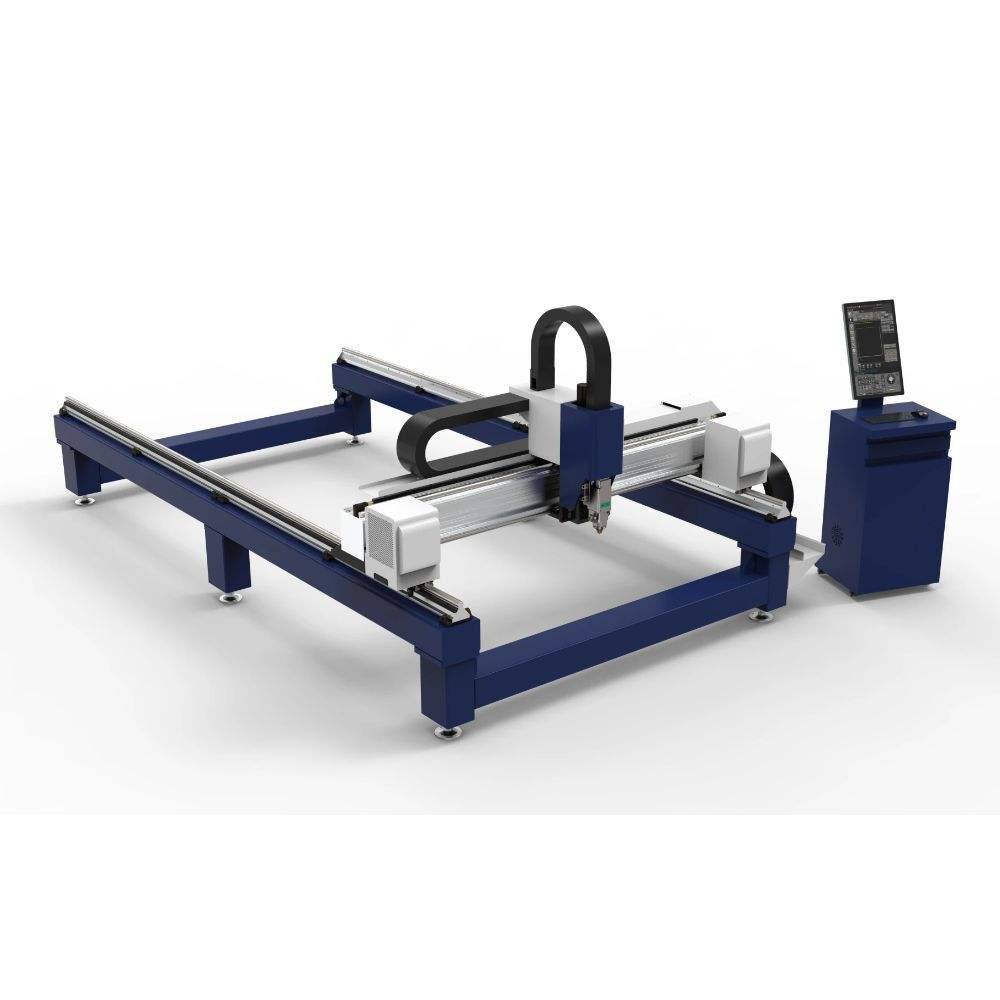
In the context of Leon’s diverse industrial needs, the physical configuration of the 1.5kW system is as important as the laser source itself. Precision systems often utilize a “gantry” design or a “shuttle table” setup. For brass, which is often processed in smaller, high-value batches, a specialized bed with copper or stainless steel slats is recommended. This prevents the brass workpiece from welding itself to the support structure during the laser cutting process. Furthermore, the integration of automatic height sensing ensures that the nozzle maintains a constant distance from the brass sheet, even if the material has slight surface irregularities or warping.
Industrial Applications in Leon’s Economic Ecosystem
Leon has transitioned from a leather-centric economy to a diversified industrial powerhouse. The 1.5kW precision laser system supports this transition by enabling high-quality production across several sectors. In the automotive industry, which has a massive presence in the Bajío region, brass components are used in sensors, radiators, and electrical terminals. The precision of a 1.5kW system allows for the production of these parts with minimal heat-affected zones (HAZ), preserving the mechanical properties of the alloy.
Architectural and Decorative Brass Work
Beyond heavy industry, Leon is a center for high-end furniture and architectural hardware. Brass is a preferred material for luxury fittings, signage, and decorative inlays. The 1.5kW laser provides the versatility to cut intricate patterns that would be impossible with mechanical stamping or waterjet cutting. The narrow kerf width of the laser allows for tight nesting of parts, which is crucial for expensive materials like brass, significantly reducing scrap rates and improving the overall ROI for the manufacturer.
Electrical and Electronic Components
The electrical conductivity of brass makes it indispensable for the electronics industry. As Leon attracts more tech-oriented manufacturing, the demand for precision-cut busbars, connectors, and switchgear components grows. A 1.5kW laser system can handle the high-speed production of these parts while maintaining the strict dimensional tolerances required for electronic assemblies. The ability to switch between different thicknesses of brass with simple software adjustments makes the system ideal for the “just-in-time” (JIT) manufacturing models prevalent in modern supply chains.
Operational Best Practices for 1.5kW Laser Cutting
To maximize the lifespan and efficiency of a 1.5kW laser system when cutting brass, specific operational protocols must be followed. First and foremost is the management of the optical path. Because brass is reflective, the protective windows (cover slides) in the cutting head must be inspected daily. Even a tiny amount of dust or a metallic splatter can cause the lens to overheat and crack when processing reflective materials.
Gas Pressure and Nozzle Selection
The choice of nozzle is critical. For brass, a “double-layer” nozzle is often used to provide a more stable and concentrated flow of nitrogen. The gas pressure must be high—often exceeding 15 bar—to effectively blow the molten brass out of the kerf. This high-pressure flow also serves a secondary purpose: it cools the area surrounding the cut, further minimizing the heat-affected zone. Operators in Leon should be trained to monitor the “spark stream” during the laser cutting process; a consistent, downward-pointing stream indicates an optimal balance between power, speed, and gas pressure.
Maintenance and Local Support in Leon
Given the intensive nature of metal fabrication in Guanajuato, maintenance cannot be an afterthought. The 1.5kW fiber laser source is generally low-maintenance compared to CO2 alternatives, with a diode life often exceeding 100,000 hours. However, the mechanical components—the chillers, dust extractors, and motion rails—require regular lubrication and calibration. For businesses in Leon, sourcing equipment from providers with local technical support is vital. Rapid access to spare parts like nozzles, ceramics, and protective windows ensures that production downtime is minimized, keeping the local supply chain moving efficiently.
Economic Impact and Future Outlook
Investing in a 1.5kW precision laser system represents a strategic move for Leon’s manufacturers. Compared to higher-wattage systems (such as 6kW or 12kW), the 1.5kW unit offers a much lower entry price and significantly lower power consumption, making it more accessible for mid-sized workshops. Yet, it provides more than enough capability for the majority of brass fabrication tasks. The reduction in secondary processing—thanks to the high-quality finish of the laser cut—leads to direct labor savings and faster turnaround times.
Sustainability and Efficiency
Modern 1.5kW fiber lasers are highly energy-efficient, converting a higher percentage of electrical energy into laser light compared to older technologies. In an era where “green manufacturing” is becoming a requirement for global contracts, the reduced carbon footprint of a fiber laser system is a competitive advantage. For the industrial parks surrounding Leon, this efficiency translates to lower overheads and a more sustainable production model.
The Path Forward
As the “Industry 4.0” movement gains momentum in Mexico, the integration of 1.5kW laser systems with IoT (Internet of Things) capabilities will become the norm. These systems will be able to report real-time data on material usage, cutting speeds, and maintenance needs directly to a centralized management system. For the brass fabricators of Leon, this means even greater control over their processes and the ability to compete on a global scale. The 1.5kW precision laser is not just a tool; it is a catalyst for the ongoing industrial transformation of the region, proving that precision and power are the keys to unlocking the potential of non-ferrous metal fabrication.
Conclusion
The 1.5kW precision laser system is an ideal solution for the challenges of laser cutting brass in Leon’s dynamic industrial environment. By understanding the unique metallurgical properties of brass and leveraging the technical strengths of fiber laser technology, manufacturers can achieve unprecedented levels of accuracy and efficiency. Whether for automotive components, decorative art, or electrical hardware, this system provides the reliability and performance necessary to drive Leon’s manufacturing sector into the future. With the right operational practices and a focus on precision, the 1.5kW laser remains a premier choice for high-quality metal fabrication.













