Introduction to 6kW Precision Laser Systems in Monterrey’s Industrial Landscape
Monterrey, Nuevo León, has long been established as the industrial powerhouse of Mexico. As the region experiences a massive influx of investment due to nearshoring trends, the demand for high-precision fabrication has reached an all-time high. At the center of this manufacturing revolution is the 6kW precision laser system. This specific power rating has emerged as the “sweet spot” for medium-to-heavy industrial applications, offering a perfect balance between speed, edge quality, and operational cost. For facilities in Monterrey serving the automotive, HVAC, and construction sectors, mastering the 6kW fiber laser is no longer an option—it is a competitive necessity.
The transition from traditional CO2 lasers to fiber laser technology has fundamentally changed the throughput capabilities of local machine shops. A 6kW system provides enough energy density to process a wide range of materials, but its performance on galvanized steel is particularly noteworthy. In an environment like Monterrey, where humidity and industrial pollutants can affect material longevity, galvanized steel is a staple. However, cutting it requires a sophisticated understanding of thermodynamics and beam dynamics to ensure the protective zinc coating remains functional while achieving a clean, burr-free edge.
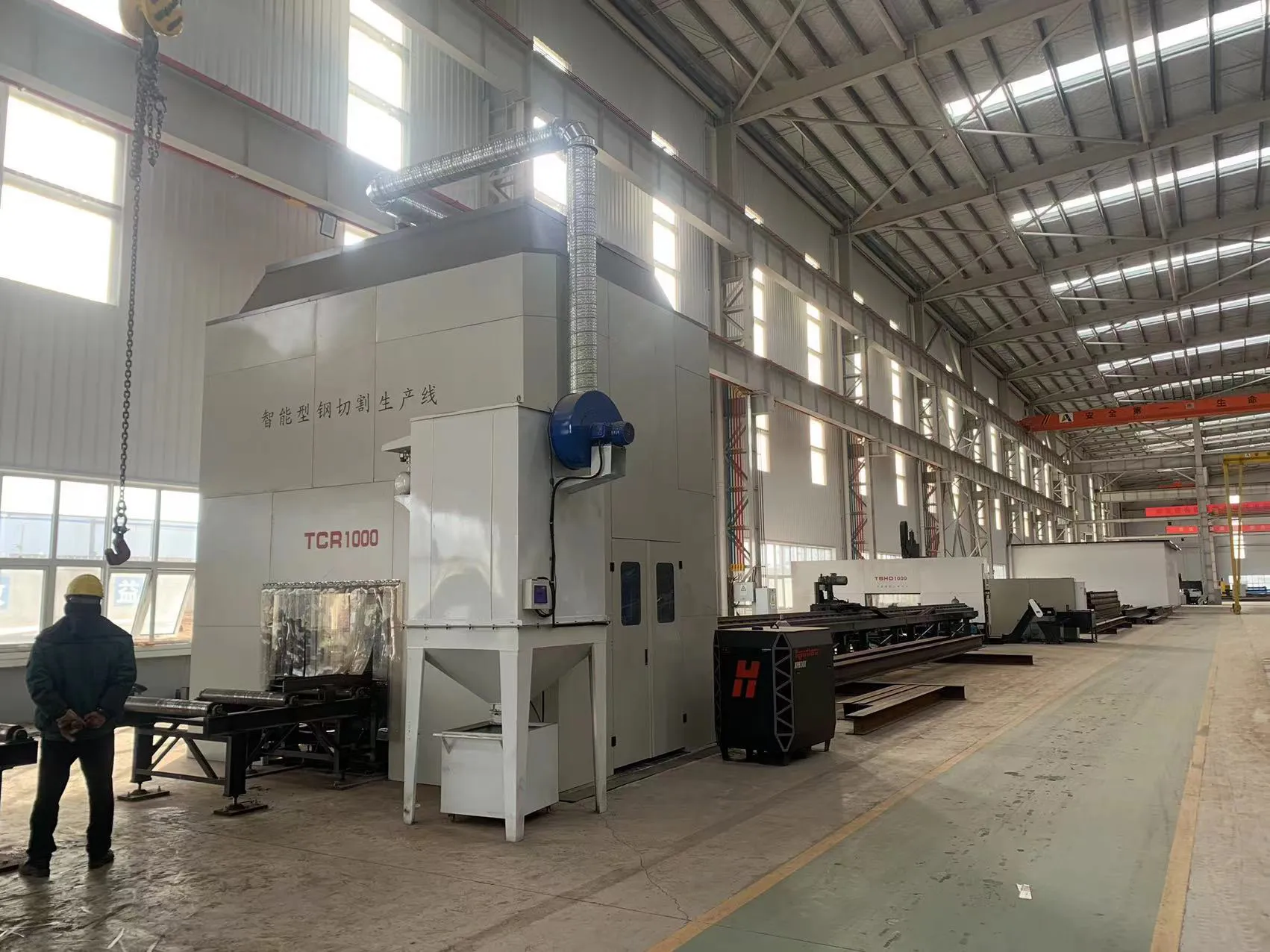
Why 6kW is the Optimal Power Rating for Galvanized Steel
When selecting a power level for laser cutting, engineers must consider the material thickness and the desired production speed. While 3kW systems can handle thin galvanized sheets, they often struggle with thicker gauges, leading to slower feed rates and increased heat-affected zones (HAZ). Conversely, 10kW+ systems, while incredibly fast, may involve higher capital expenditures and utility costs that are difficult to justify for standard 10-gauge to 1/4-inch applications. The 6kW system provides the necessary irradiance to vaporize the zinc and melt the steel substrate simultaneously without the excessive plasma formation that can occur at higher power levels.
In Monterrey’s fast-paced manufacturing environment, the 6kW laser allows for high-speed processing of galvanized components used in ductwork, automotive chassis parts, and solar mounting brackets. The increased power allows the machine to maintain a stable “keyhole” during the cutting process, which is essential for ejecting molten material efficiently. This stability results in a smoother surface finish and reduces the need for secondary grinding or deburring operations, which are labor-intensive and costly.
The Technical Mechanics of Laser Cutting Galvanized Steel
Galvanized steel presents a unique challenge for laser cutting due to the discrepancy between the melting points of the zinc coating and the steel base. Zinc vaporizes at approximately 906°C, while steel melts at around 1,370°C to 1,530°C. During the cutting process, the zinc coating often vaporizes before the steel melts, creating high-pressure gas that can interfere with the laser beam and the assist gas flow. If not managed correctly, this leads to “dross” or “slag” adhering to the bottom of the cut, and in some cases, can cause “blowouts” where the beam reflects or scatters.
A 6kW precision system utilizes advanced beam shaping and high-frequency pulsing to mitigate these issues. By concentrating the energy into a smaller focal spot, the system creates a narrower kerf. This minimizes the amount of zinc that is vaporized, thereby reducing the turbulence in the cut path. Furthermore, modern 6kW controllers feature specialized “Galvanized Modes” that adjust the power modulation and gas pressure in real-time to account for the volatile nature of the zinc layer.
 laser cutting machine” style=”width: 100%; max-width: 800px; height: auto; margin: 20px 0;”>
Managing Zinc Vaporization and Surface Integrity
One of the primary concerns for engineers in Monterrey is the preservation of the galvanized layer’s anti-corrosive properties. When laser cutting, the heat can cause the zinc to pull away from the edge, leaving the steel exposed to the elements. A 6kW fiber laser, characterized by its high energy density and fast travel speeds, minimizes the time the material spends at elevated temperatures. This results in a much smaller heat-affected zone compared to plasma cutting or lower-wattage lasers.
To further protect the surface, many precision systems utilize a “pre-flight” scan where the laser performs a low-power pass to ablate the zinc along the cut line before the high-power cutting pass. While this slightly increases cycle time, the 6kW source is powerful enough to perform the actual cut so quickly that the overall productivity remains higher than traditional methods. This ensures that the final product meets the rigorous salt-spray and corrosion resistance standards required by international clients operating in the Monterrey industrial corridor.
Strategic Advantages for Monterrey-Based Manufacturers
The geographic location of Monterrey makes it a focal point for the North American supply chain. With the proximity to the US border and the presence of major intermodal hubs, manufacturers must adhere to stringent quality standards like ISO 9001 and IATF 16949. Implementing a 6kW precision laser system allows local shops to meet these standards by providing repeatable, high-tolerance parts that are ready for assembly immediately after laser cutting.
Furthermore, the 6kW laser’s versatility extends beyond just galvanized steel. In a single shift, a Monterrey facility can switch from cutting thin aluminum for aerospace components to thick carbon steel for heavy machinery. This flexibility is vital in a market where project scopes can change rapidly. The ability to process multiple materials on a single platform reduces the footprint of the machinery on the shop floor, which is a significant advantage as industrial real estate prices in Santa Catarina and Apodaca continue to rise.
Integration with Automotive and HVAC Supply Chains
Monterrey is home to some of the world’s largest HVAC manufacturers and a growing automotive ecosystem. These industries rely heavily on galvanized steel for its durability. For HVAC applications, the 6kW laser allows for the high-speed production of complex geometries in thin-gauge galvanized sheets, which are then folded into ductwork or cabinetry. The precision of the laser cutting process ensures that tabs and slots fit together perfectly, reducing welding time and improving the structural integrity of the final unit.
In the automotive sector, the 6kW system is used for structural reinforcements and brackets. The precision of the fiber laser ensures that hole diameters are maintained within microns, which is critical for automated assembly lines where robotic arms must insert fasteners with zero margin for error. By using a 6kW system, Monterrey suppliers can guarantee the dimensional stability that Tier 1 and Tier 2 automotive manufacturers demand.
Operational Parameters and Gas Selection
The choice of assist gas is perhaps the most critical operational variable when laser cutting galvanized steel with a 6kW system. The assist gas serves two purposes: it clears the molten material from the kerf and, in some cases, contributes to the chemical reaction of the cut. For galvanized steel, the two primary choices are Oxygen and Nitrogen, each offering distinct advantages depending on the desired outcome.
Nitrogen vs. Oxygen in Precision Cutting
Nitrogen is typically the preferred assist gas for high-precision 6kW applications. As an inert gas, Nitrogen does not react with the molten metal. Instead, it relies purely on the kinetic energy of the high-pressure gas stream to blow the material out of the cut. This results in an “oxide-free” edge, which is essential if the parts are to be painted or powder-coated later. For Monterrey manufacturers, using Nitrogen with a 6kW laser allows for extremely fast cutting speeds on galvanized steel, as the high power compensates for the lack of exothermic reaction that Oxygen would provide.
Oxygen, on the other hand, creates an exothermic reaction with the steel, adding heat to the process. While this can allow for cutting thicker materials with less laser power, it often results in a charred or oxidized edge. In the case of galvanized steel, Oxygen can also cause the zinc to burn more violently, leading to a poorer surface finish. Therefore, for precision 6kW systems, Nitrogen is the standard for maintaining the aesthetic and functional quality of galvanized parts.
Maintenance and Longevity of High-Power Fiber Lasers
Investing in a 6kW laser system is a significant capital commitment, and maintaining the machine is paramount to ensuring a high Return on Investment (ROI). In Monterrey’s industrial environment, dust and temperature fluctuations can pose challenges to sensitive optical components. Fiber lasers are generally more robust than CO2 lasers because the beam is delivered through a flexible fiber optic cable rather than a series of mirrors, but they still require a strict maintenance schedule.
The cutting head, specifically the protective window and the nozzle, must be inspected daily. When laser cutting galvanized steel, the vaporization of zinc creates a fine dust that can settle on the optics if the fume extraction system is not performing optimally. Regular cleaning and calibration of the height sensor are necessary to ensure the 6kW beam remains perfectly focused on the material surface. Furthermore, the chiller system must be maintained to keep the fiber source and the cutting head at a constant temperature, especially during Monterrey’s hot summer months.
Environmental Considerations and Fume Extraction
A critical but often overlooked aspect of laser cutting galvanized steel is the health and safety of the operators. The vaporization of zinc produces zinc oxide fumes, which can cause “metal fume fever” if inhaled. A high-performance 6kW system must be paired with a robust, multi-stage filtration and fume extraction system. In Monterrey, where environmental regulations are becoming increasingly stringent (monitored by SEMARNAT and local authorities), ensuring that the exhaust from the laser system is properly filtered is not just a safety issue—it is a legal requirement.
Modern extraction systems integrated with 6kW lasers use HEPA filters and activated carbon to capture fine particulates and neutralize odors. This creates a cleaner working environment and prevents the accumulation of corrosive dust on other machinery in the shop. By prioritizing fume extraction, Monterrey manufacturers protect their most valuable asset—their workforce—while complying with international environmental standards.
Conclusion: The Future of Fabrication in Monterrey
The 6kW precision laser system represents the pinnacle of current fabrication technology for the Monterrey industrial sector. Its ability to handle the complexities of galvanized steel with speed and precision makes it an invaluable tool for companies looking to scale their operations and enter global supply chains. As the region continues to grow as a hub for advanced manufacturing, the adoption of high-power fiber lasers will be the defining factor between shops that merely survive and those that lead the market.
By understanding the technical nuances of laser cutting, from gas selection to zinc vaporization management, engineers in Monterrey can unlock the full potential of their 6kW systems. The result is a more efficient production line, higher quality products, and a stronger competitive position in the North American market. As we look toward the future, the integration of AI-driven controllers and even higher power levels will continue to push the boundaries of what is possible in the heart of Mexico’s industrial capital.













