Mastering 6kW Precision Laser Systems for Brass Fabrication in Mexico City
The industrial landscape of Mexico City (CDMX) and its surrounding metropolitan areas, such as Naucalpan and Tlalnepantla, is undergoing a significant technological transformation. As the demand for high-precision components in the automotive, electrical, and decorative architectural sectors rises, the adoption of 6kW precision laser systems has become a cornerstone for competitive manufacturing. Specifically, when dealing with “yellow metals” like brass, a 6kW fiber laser offers a unique balance of power, speed, and edge quality that lower-wattage systems cannot match.
Operating a 6kW system in the high-altitude environment of Mexico City presents specific engineering challenges and opportunities. This guide explores the technical nuances of laser cutting brass, the impact of local atmospheric conditions, and the optimization strategies required to achieve world-class results in one of North America’s largest manufacturing hubs.
The Technical Advantage of 6kW Fiber Lasers for Brass
Brass is an alloy of copper and zinc, characterized by high thermal conductivity and high reflectivity. In the early days of industrial lasers, CO2 systems struggled with brass because the material would reflect the 10.6µm wavelength back into the resonator, causing catastrophic failure. The advent of fiber laser technology, operating at a wavelength of approximately 1.07µm, changed the paradigm. At this wavelength, brass is significantly more absorptive.
A 6kW power rating is often considered the “sweet spot” for industrial brass applications. While a 3kW laser can cut thin brass sheets, the 6kW variant provides the power density necessary to “punch through” the reflective barrier of thicker plates (up to 12mm or 15mm) with consistent stability. The increased wattage allows for faster feed rates, which reduces the time the beam dwells on a single spot, thereby minimizing the Heat Affected Zone (HAZ) and preventing the vaporization of zinc, which can lead to dross formation and poor edge quality.
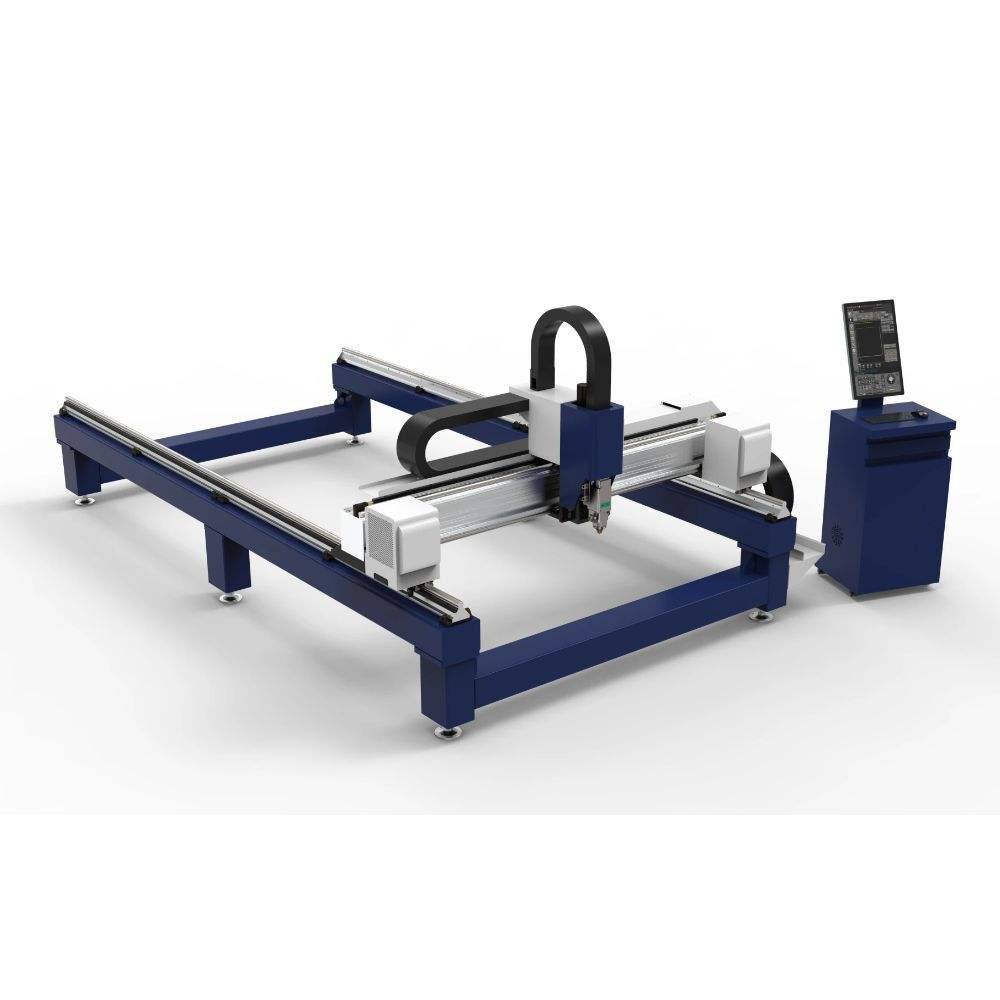
 laser cutting machine” style=”width: 100%; max-width: 800px; height: auto; margin: 20px 0;”>
Overcoming Reflectivity and Back-Reflection
Despite the better absorption rates of fiber lasers, brass remains a “highly reflective” material. During the initial piercing phase of laser cutting, the material acts almost like a mirror. A precision 6kW system must be equipped with back-reflection protection. Modern resonators utilize optical isolators and sensors that can detect reflected light and shut down the beam in microseconds to protect the fiber feeding cable and the laser source.
To mitigate reflection, engineers in Mexico City often employ specific piercing strategies. This includes “power ramping,” where the laser starts at a lower intensity to break the surface tension and oxidation layer before surging to full 6kW power. Additionally, using a shorter focal length can increase power density at the point of contact, ensuring the material enters a molten state faster than it can reflect the energy away.
Impact of Mexico City’s Altitude on Laser Performance
One of the most overlooked factors in laser cutting precision is the geographic location of the facility. Mexico City sits at an average elevation of 2,240 meters (7,350 feet) above sea level. At this altitude, the atmospheric pressure is significantly lower than at sea level, which has two primary effects on a 6kW laser system:
1. Cooling Efficiency
Laser resonators and cutting heads generate immense heat. Chillers rely on ambient air to dissipate heat from the refrigerant. In the thinner air of CDMX, the heat exchange process is less efficient. A 6kW system that operates perfectly in a coastal city may overheat in Mexico City if the cooling system is not appropriately de-rated or oversized. Precision manufacturing requires maintaining a constant temperature within ±1°C to prevent thermal expansion of the optical components, which would otherwise shift the focal point.
2. Assist Gas Dynamics
The physics of the supersonic gas jet exiting the nozzle is affected by ambient pressure. When laser cutting brass, Nitrogen is typically used as an assist gas to produce a clean, oxide-free edge. In high-altitude environments, the pressure differential between the nozzle and the atmosphere changes, which can alter the laminar flow of the gas. Engineers must often calibrate their gas pressures slightly higher in Mexico City to ensure the molten brass is effectively cleared from the kerf.
Optimizing Gas Selection and Nozzle Geometry
For brass, the choice of assist gas is critical. While Oxygen can be used to increase cutting speeds through an exothermic reaction, it results in a heavily oxidized, darkened edge that usually requires secondary finishing. In the high-end decorative and electrical markets of Mexico, Nitrogen is the preferred choice. It acts as a shielding gas, preventing combustion and leaving a bright, “gold-like” finish straight off the machine.
With a 6kW system, the nozzle diameter should be carefully matched to the material thickness. For thin brass (1-3mm), a small diameter nozzle (1.0mm to 1.5mm) focuses the gas pressure directly into the cut. For thicker plates (8mm+), a larger, “double” nozzle or a “high-flow” nozzle is required to provide enough volume to evacuate the heavy molten brass. In the context of laser cutting, the 6kW power allows for the use of “High-Pressure Air” as a cost-effective alternative to Nitrogen for certain industrial grades of brass, provided the system includes a high-performance filtration and desiccant drying unit to remove all traces of oil and moisture.
Maintenance Protocols for High-Precision Optics
In the industrial zones of Mexico City, airborne particulates and humidity fluctuations can pose a threat to the sensitive optics of a 6kW laser. Precision laser cutting depends on the integrity of the protective window (cover glass). Even a microscopic speck of dust on the lens can absorb 6kW of energy, causing it to crack or “burn,” which leads to beam divergence.
A strict maintenance schedule is mandatory:
- Daily Inspection: The protective window must be checked in a clean-room environment or a localized “clean zone” before every shift.
- Gas Purity: Ensure that Nitrogen generators or liquid tanks provide 99.99% purity. Impurities in the gas line are the leading cause of lens contamination.
- Beam Alignment: Weekly checks of the beam centering within the nozzle are essential. At 6kW, even a slight misalignment can cause the beam to clip the nozzle, creating turbulence in the assist gas and ruining the cut quality on the brass workpiece.
Economic Impact and Local Industry Applications
The integration of 6kW laser cutting technology is a game-changer for the Mexican supply chain. Traditionally, thick brass components were machined via CNC milling or waterjet cutting. Milling is slow and generates significant material waste in the form of chips, while waterjet cutting is messy and requires expensive abrasives. The 6kW laser offers a “dry,” high-speed alternative that maximizes material nesting efficiency.
In the electrical sector, particularly for busbars and switchgear components manufactured in the State of Mexico, the 6kW laser provides the precision needed for tight-tolerance bolt holes and complex geometries. In the luxury architectural market of Polanco and Santa Fe, laser cutting allows for the creation of intricate brass screens, inlays, and signage with an aesthetic finish that meets international standards.
Conclusion: The Future of Precision Manufacturing in CDMX
The 6kW precision laser system is more than just a tool; it is a catalyst for industrial maturity in Mexico City. By understanding the interplay between high-wattage fiber technology and the specific metallurgical properties of brass, local manufacturers can produce components that were previously imported.
Success in this field requires more than just the hardware. It requires an engineering-first approach to environmental variables—such as the altitude-induced cooling challenges and gas dynamic shifts—and a commitment to the rigorous maintenance of optical paths. As Mexico continues to solidify its position as a global manufacturing powerhouse, the mastery of laser cutting reflective alloys like brass will remain a vital competency for any forward-thinking machine shop in the capital.













