Introduction to High-Power Laser Systems in Toluca’s Industrial Sector
The industrial landscape of Toluca, Mexico, has undergone a significant transformation over the last decade. As one of the country’s primary manufacturing hubs, the region hosts a dense concentration of automotive, aerospace, and electronics facilities. To maintain a competitive edge in these demanding sectors, local fabricators are increasingly turning to ultra-high-power technology. The implementation of a 20kW precision laser system represents the pinnacle of modern thermal processing, offering unprecedented speed and accuracy, particularly when dealing with non-ferrous alloys like brass. This guide explores the technical intricacies, operational advantages, and strategic importance of 20kW laser cutting for brass applications within the Toluca industrial corridor.
The Rise of 20kW Fiber Laser Technology
Until recently, the industry standard for high-performance fabrication hovered between 6kW and 10kW. While these power levels are sufficient for many steel applications, they often struggle with the unique metallurgical properties of “yellow metals” such as brass and copper. The advent of the 20kW fiber laser has shifted the paradigm. By doubling the power density, manufacturers can now achieve cutting speeds that were previously unthinkable, while simultaneously improving the quality of the finished edge. In a high-output environment like Toluca, where throughput is a key performance indicator, the transition to 20kW is not merely an upgrade—it is a fundamental shift in production capability.

The Physics of Processing Brass: Challenges and Solutions
Brass is an alloy of copper and zinc, prized for its electrical conductivity, corrosion resistance, and aesthetic appeal. However, from a laser cutting perspective, brass is notoriously difficult to process. The primary challenge lies in its high reflectivity and thermal conductivity. In its solid state, brass reflects a significant portion of the laser’s infrared energy, which can lead to “back-reflection.” This phenomenon occurs when the laser beam bounces off the material surface and travels back into the cutting head, potentially damaging sensitive optical components.
Overcoming Reflectivity with 20kW Power
A 20kW system provides the necessary irradiance to overcome the initial reflectivity of brass almost instantaneously. The high power density ensures that the material reaches its melting point before the energy can be reflected or dissipated through the sheet. This rapid energy absorption creates a stable “keyhole” effect, allowing the laser to penetrate thick sections of brass with minimal heat-affected zones (HAZ). For Toluca’s precision engineering firms, this means parts that require less post-processing and exhibit superior structural integrity.
Thermal Conductivity and Dross Management
Because brass conducts heat so efficiently, the energy from the laser can quickly spread away from the cut line, leading to dross (hardened slag) on the underside of the workpiece. A 20kW system mitigates this by increasing the cutting velocity. When the laser moves faster, there is less time for heat to migrate into the surrounding material. Combined with high-pressure nitrogen assist gas, the 20kW laser produces a clean, burr-free edge that meets the stringent standards of the electronics and decorative architectural industries.
Technical Specifications of a Precision 20kW System
A 20kW precision laser system is a complex integration of optics, motion control, and software. To achieve the tolerances required in Toluca’s automotive supply chains, several key components must work in perfect synchronization. The “precision” aspect of these systems refers to their ability to maintain a kerf width of mere microns while traversing at high speeds.
Advanced Beam Shaping and Delivery
Modern 20kW lasers utilize advanced beam shaping technology to adjust the distribution of energy within the laser spot. For brass, a “ring-mode” or “doughnut” beam profile can be more effective than a standard Gaussian profile, as it helps stabilize the melt pool. Furthermore, the delivery fiber must be specifically engineered to handle the massive energy throughput without degradation. The integration of high-end collimators and focusing lenses ensures that the 20kW of power is concentrated into a spot size that maximizes cutting efficiency.
High-Dynamic Motion Platforms
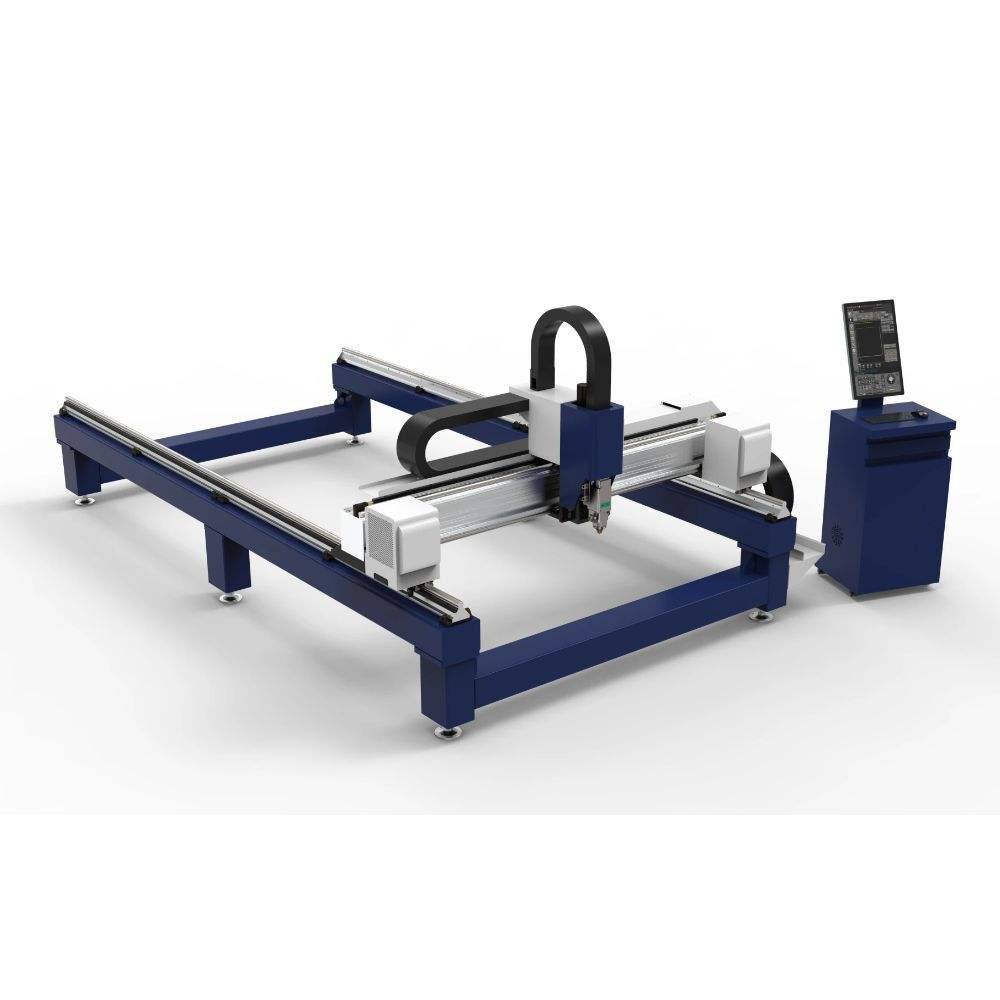
Power is useless without control. To harness 20kW effectively, the machine’s gantry and drive system must be capable of high acceleration (often exceeding 2.0G) and rapid traverse speeds. In Toluca’s fabrication shops, where complex geometries are common, the motion system must maintain micron-level accuracy even during sharp cornering. Linear motors and reinforced carbon-fiber gantries are often employed to provide the necessary rigidity and responsiveness.
Operational Strategies for the Toluca Industrial Environment
Operating a 20kW laser cutting system in Toluca requires a nuanced understanding of the local environment. Factors such as altitude, ambient temperature, and power stability can influence the performance of high-wattage fiber lasers. Toluca sits at approximately 2,660 meters above sea level, which affects the density of the air and the cooling efficiency of the system’s chillers.
Optimizing Cooling and Gas Supply
A 20kW laser generates a substantial amount of waste heat. At Toluca’s altitude, the cooling system must be robust and precisely calibrated to maintain the laser source and optics at a constant temperature. Furthermore, the choice of assist gas is critical. For brass, high-purity nitrogen is the standard. It acts as a mechanical force to eject molten metal from the cut while preventing oxidation. Fabricators in the region must ensure a stable, high-volume supply of nitrogen to prevent “striation” marks on the cut edge, which are more common at higher power levels.
Software Integration and Nesting
To maximize the ROI of a 20kW system, the integration of sophisticated CAD/CAM software is essential. Precision laser cutting of brass requires optimized lead-ins and “fly-cutting” techniques to minimize piercing time and prevent heat buildup. Advanced nesting algorithms also help reduce material waste, which is particularly important given the high cost of brass alloys compared to carbon steel.
Economic Impact and Market Competitiveness
The decision to invest in a 20kW laser system in Toluca is driven by economics. While the initial capital expenditure is higher than lower-power alternatives, the cost-per-part reduction is dramatic. The increased speed of a 20kW machine allows a single unit to do the work of two or three 6kW machines, reducing the footprint required on the factory floor and lowering labor costs.
Expanding Into New Markets
With 20kW capability, Toluca-based fabricators can bid on projects that were previously out of reach. Thick brass plates used in heavy electrical switchgear or intricate brass components for luxury architectural projects become viable. The ability to offer “precision-grade” brass laser cutting positions a shop as a Tier 1 supplier for global OEMs who demand the highest quality standards.
Sustainability and Resource Efficiency
Modern 20kW fiber lasers are significantly more energy-efficient than older CO2 technology. They convert more electrical energy into light, reducing the overall carbon footprint of the manufacturing process. In an era where “green manufacturing” is becoming a requirement for international contracts, the energy efficiency of a 20kW system provides a significant strategic advantage for Toluca’s industrial sector.
Safety and Maintenance Protocols
Operating at 20,000 watts requires a rigorous approach to safety. The 1μm wavelength of a fiber laser is invisible to the human eye and can cause permanent damage instantaneously. Precision systems must be housed in Class 1 enclosures with specialized laser-safe glass. In the busy industrial parks of Toluca, adhering to international safety standards (such as ISO and ANSI) is mandatory.
Preventative Maintenance for Longevity
To maintain the precision of the laser cutting process, a strict maintenance schedule is required. This includes regular inspection of the protective windows, cleaning of the nozzle assembly, and calibration of the height sensor. Given the reflective nature of brass, operators must be particularly vigilant about checking for signs of back-reflection damage on the optical path. Predictive maintenance software, which monitors the health of the laser source in real-time, is a valuable tool for preventing unplanned downtime.
Conclusion: The Future of Metal Fabrication in Toluca
The integration of 20kW precision laser systems marks a new chapter for the manufacturing industry in Toluca. By mastering the challenges of laser cutting brass at high power, local companies are proving their ability to handle the most complex and demanding fabrication tasks. The combination of extreme power, micron-level precision, and operational efficiency ensures that Toluca will remain a cornerstone of Mexico’s industrial prowess. As material science continues to evolve, the 20kW laser stands ready as the tool of choice for the next generation of engineering excellence.













